


f you have run a store for more than a few months, you already know the pattern. Cheap products, thin margins, and shipping times that make customers nervous. For years, sourcing from China felt like the only way to dropship. That is no longer true. There are strong dropshipping alternatives to China that can cut your delivery times, raise your product quality, and protect your store from sudden tariff swings. This guide breaks down nine proven options, explains why sellers are moving away from Chinese suppliers, and shows you how to pick the right sourcing model for your niche and budget.
Why Sellers Are Looking for Dropshipping Alternatives to China
For over a decade, China dominated dropshipping. Low prices and huge product variety pulled in millions of new sellers. But the math that made it work in 2018 does not hold up the same way in 2026.
Shipping is the first pain point. A package moving from a Chinese warehouse to a US doorstep can take two to four weeks, sometimes longer during peak seasons. Shoppers who are used to fast delivery from major retailers do not want to wait that long. Slow shipping drives refund requests, chargebacks, and one-star reviews that quietly kill your conversion rate.
Then there is the cost side. Trade policy has shifted, and low-value import exemptions that once let cheap parcels enter duty-free have tightened. When those rules change, your landed cost jumps overnight, and you either eat the difference or raise prices in a market that is already crowded. That unpredictability is a big reason store owners now hunt for dropshipping alternatives to China.
Quality and Brand Trust
Price is not the only reason to rethink your sourcing. Product quality varies widely with unvetted overseas factories. A single batch of defective items can trigger a wave of returns and damage a brand you spent months building.
Customers also care more about where products come from than they used to. "Made in the USA" and ethically sourced goods carry real weight with shoppers who are willing to pay a little more for something they trust. Building a recognizable brand is much easier when the products behind it feel premium and arrive quickly. If you want to compete on experience rather than the lowest possible price, alternatives to Chinese suppliers give you a stronger foundation.
The Tariff and Trade Reality in 2026
It is worth understanding the policy backdrop, because it is a big driver of this shift. For years, low-value parcels could enter the United States duty-free under the de minimis exemption, which covered shipments under a set dollar threshold. A huge share of direct-from-China dropshipping packages relied on that rule to stay cheap.
That exemption has been sharply narrowed. The US Customs and Border Protection agency has moved to restrict de minimis treatment for many low-value imports, which means duties now apply to parcels that used to slip through for free. You can review the current guidance directly on the US Customs and Border Protection site. When the underlying cost of goods can change with a policy update, building your whole business on one overseas pipeline starts to look risky.
This is not a reason to panic, but it is a reason to plan. Sellers who spread their sourcing across regions and models are far less exposed when trade rules shift again. That resilience is one of the strongest arguments for exploring dropshipping alternatives to China now, before the next change forces your hand.
The 9 Best Dropshipping Alternatives to China
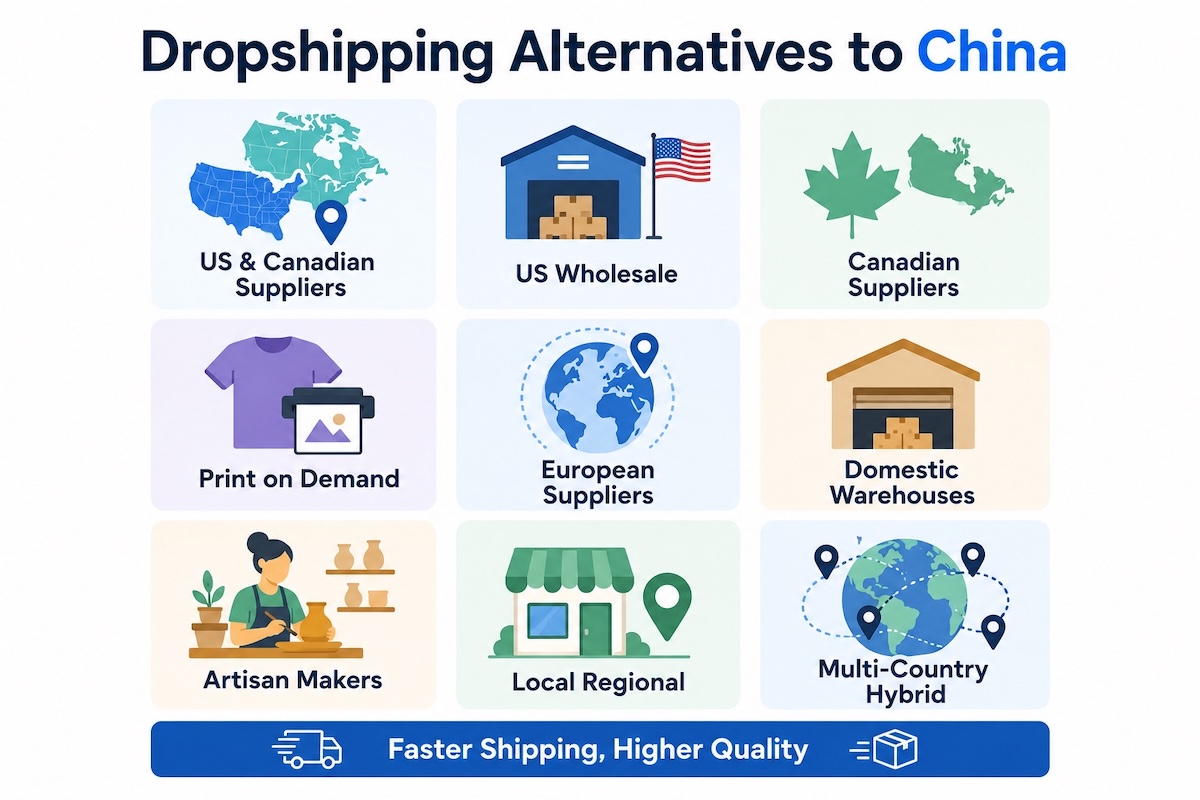
Below are nine sourcing models and supplier types worth considering. Some are geographic (sourcing from a different country), and some are structural (a different way of getting products to customers). Most successful stores end up blending two or three of these.
1. DropCommerce (US and Canadian Suppliers)
DropCommerce is the leading platform for dropshipping without China, connecting store owners exclusively with vetted US and Canadian suppliers. If fast shipping and product quality matter to you, this is where to start.
Here is what makes it stand out:
- Two to five day shipping from US and Canadian warehouses
- Pre-vetted suppliers held to consistent quality standards
- No minimum order requirements, so you can test products with zero risk
- Seamless Shopify and WooCommerce integration
- Real-time inventory syncing that prevents overselling
- A curated catalog across home, beauty, pet, and lifestyle niches
- A dedicated North American support team
DropCommerce works particularly well for store owners who want to compete on customer experience rather than racing to the bottom on price. Because the suppliers are domestic, you skip customs delays and the tariff surprises that come with overseas parcels. For a deeper look at this model, see our guide on domestic dropshipping and why it is winning in 2026.
2. US-Based Wholesale Suppliers
Beyond curated platforms, plenty of American wholesalers offer dropshipping programs directly. These suppliers ship from domestic warehouses, which keeps delivery windows tight and returns simple.
The tradeoff is that you often have to build relationships one supplier at a time. That means more emails, more vetting, and sometimes minimum order commitments. The upside is better margins and exclusive products that your competitors sourcing from mass marketplaces cannot easily copy. If you have a focused niche and are willing to do the outreach, direct US wholesalers are one of the most durable dropshipping alternatives to China.
3. Canadian Suppliers
Canada is an underrated sourcing hub, especially if you sell to North American customers. Canadian suppliers offer fast shipping across the continent, strong quality standards, and fewer of the trade headaches tied to overseas imports.
For sellers based in Canada, sourcing locally also simplifies taxes and cross-border logistics. If you are just getting started north of the border, our walkthrough on how to start dropshipping in Canada covers the setup step by step. Canadian sourcing pairs especially well with a US supplier base for full continental coverage.
4. Print on Demand
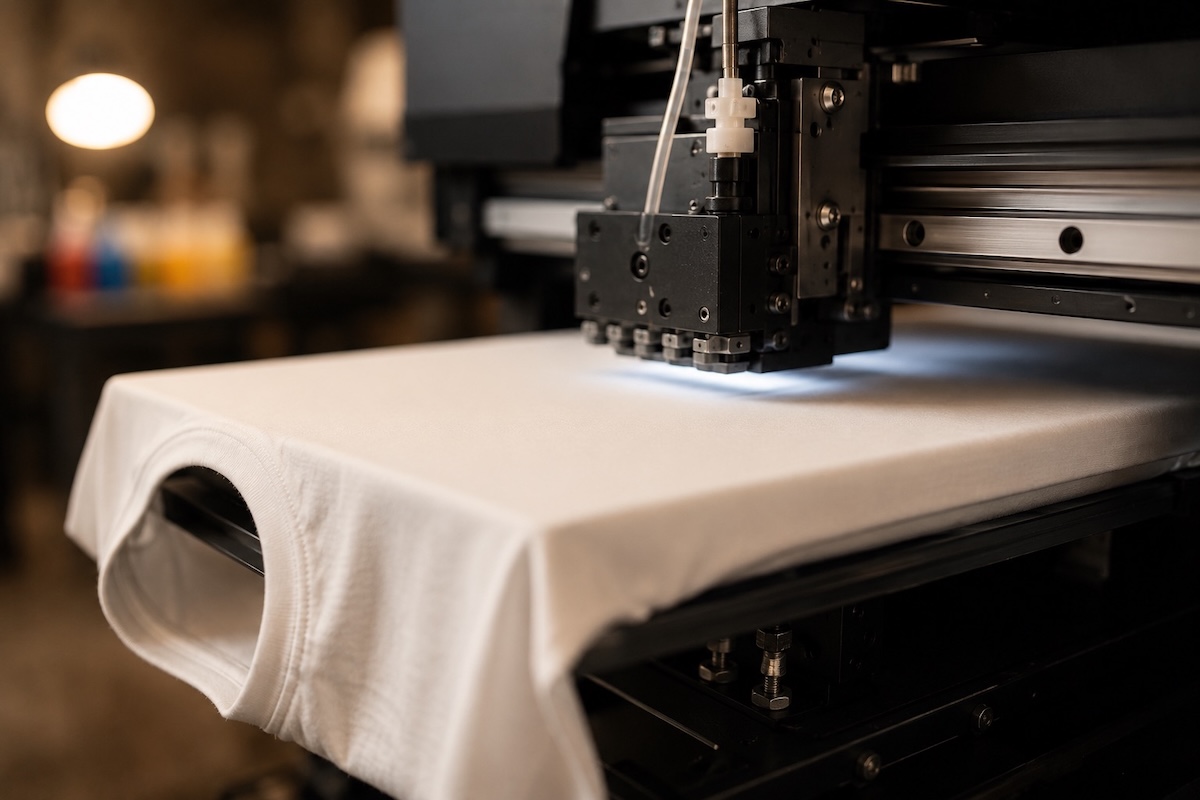
Print on demand (POD) flips the sourcing question entirely. Instead of buying finished goods, you design custom products (shirts, mugs, posters, phone cases) that a printer produces only after a customer orders.
This model is a natural fit if you want to build a brand around original artwork or a specific community. Many POD printers operate in the US, Canada, and Europe, so you avoid long international shipping. Margins can be higher than commodity dropshipping because you are selling a design, not a generic item. To understand how it compares to traditional sourcing, read our breakdown of print on demand vs dropshipping.
5. European Suppliers
If you sell into the UK or EU, European suppliers are a smart alternative. They offer regional warehouses, familiar consumer protection standards, and shipping speeds that a Chinese supplier simply cannot match for those markets.
European sourcing tends to shine in categories like home goods, fashion, and specialty foods, where craftsmanship and compliance carry weight. The prices are higher than mass overseas manufacturing, but so is the perceived value. For stores targeting European shoppers, this is one of the cleaner dropshipping alternatives to China on the list.
6. Domestic Print and Fulfillment Warehouses
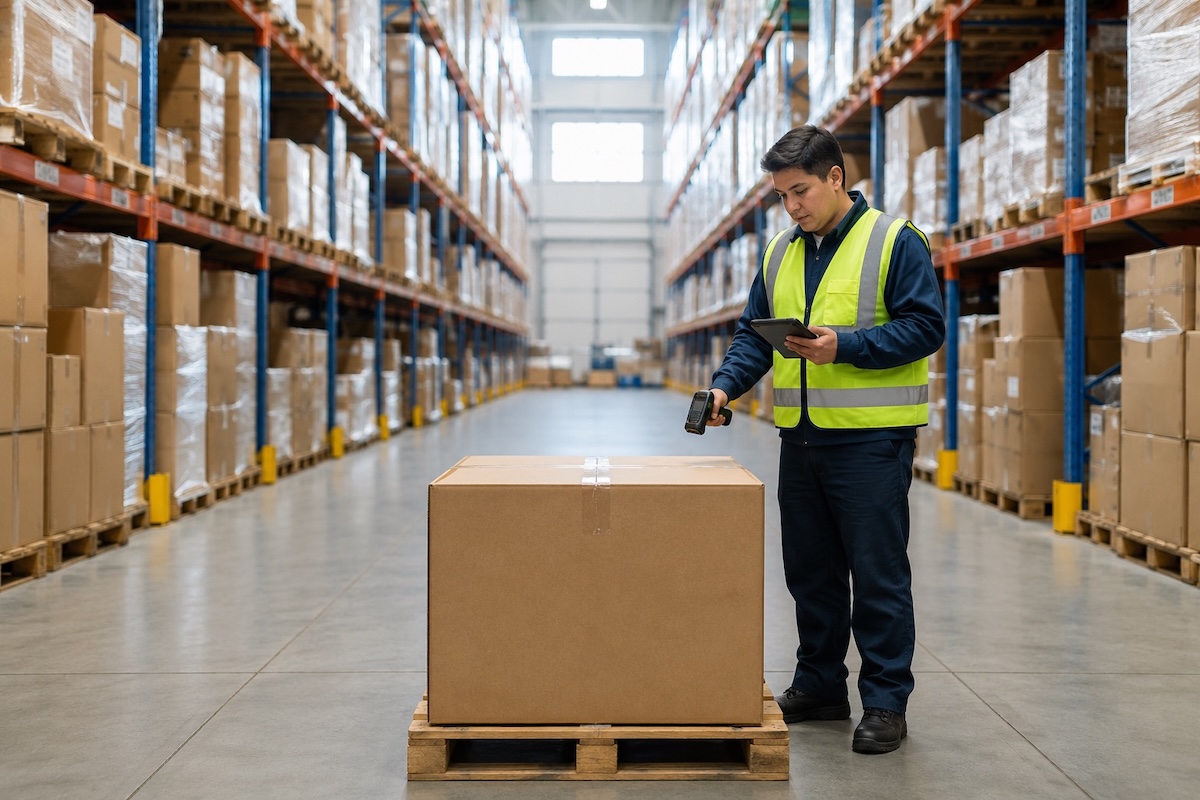
Some sellers keep the dropshipping model but move fulfillment to a domestic third-party warehouse. You send inventory to a US or Canadian facility, and they pick, pack, and ship each order as it comes in.
This is technically a light-inventory hybrid rather than pure dropshipping, but it solves the same problem: fast, local delivery. It works best once you have proven demand and want tighter control over packaging, branding, and shipping speed. Think of it as a graduation step after you validate products through a zero-inventory model.
7. Handmade and Artisan Marketplaces
For stores built around unique, high-margin products, handmade and artisan suppliers are worth exploring. These makers produce candles, jewelry, ceramics, and other crafted goods, often in small batches within your own country.
You will not find rock-bottom prices here, and volume can be limited. But the products feel special, returns are low, and customers happily pay a premium for something authentic. Artisan sourcing is one of the more defensible dropshipping alternatives to China because the products are genuinely hard to replicate.
8. Regional Suppliers in Your Own Country

Do not overlook local suppliers in your immediate region. Depending on where you operate, there may be manufacturers, distributors, or craftspeople within a few hours of you who are open to dropshipping arrangements.
Local sourcing gives you the fastest possible shipping, the easiest quality inspections, and a compelling "supporting local" story for your marketing. The catalog may be narrow, but for a focused, story-driven brand, that focus is a feature, not a bug.
9. Multi-Country Sourcing (The Hybrid Approach)
The final option is not a single supplier type at all. It is a strategy. Many of the most resilient stores spread sourcing across several countries and models so no single disruption can take them down.
You might carry your bestsellers through a domestic supplier for speed, run seasonal designs through print on demand, and stock a few artisan products for margin. This hybrid approach costs a little more effort to manage, but it protects you from tariffs, factory delays, and stockouts all at once. Diversification is the same principle smart investors use, applied to your supply chain.
How to Choose the Right Alternative for Your Store
With nine options on the table, the natural question is which one fits you. The honest answer is that it depends on three things: your niche, your target market, and your appetite for hands-on supplier management.
Start with your customer. If they live in North America and expect quick delivery, lean on US and Canadian suppliers. If they are in Europe, prioritize regional European sourcing. Matching your supply chain to your audience is the single biggest lever for reducing complaints.
Next, weigh margins against effort. Curated platforms like DropCommerce give you a wide vetted catalog with almost no setup. Direct wholesale and artisan sourcing can pay more per sale but demand more outreach. There is no universally correct choice, only the one that matches how much time you can invest right now.
Match the Model to Your Niche
Some niches practically pick the model for you. Custom apparel and art belong in print on demand. Home, beauty, and pet products thrive on curated domestic platforms. High-end gifts do well with artisan makers.
If you are still deciding what to sell, it helps to choose a niche first, then work backward to the best sourcing fit. Getting this order right saves you from forcing a mismatched supplier onto a product it was never meant to carry.
Run the Numbers Before You Commit
Every alternative changes your cost structure, so run the math before switching. A domestic supplier might charge more per unit but save you money on returns, faster delivery, and fewer refund disputes. Those hidden savings often outweigh a higher sticker price.
Map out your product cost, shipping cost, platform fees, and expected return rate for each option. Track the exact numbers side by side so you can compare apples to apples instead of guessing. A supplier that costs a dollar more per unit but slashes your return rate can easily be the more profitable choice once the full picture is on the table.
Making the Switch: A Practical Migration Plan
Moving away from Chinese suppliers does not have to mean rebuilding your whole store overnight. The smoothest path is gradual, and it starts with your data.
Look at your current catalog and rank products by revenue. Identify the handful that drive most of your sales, then find domestic or regional equivalents for those first. Winning back fast shipping on your bestsellers gives you the biggest improvement for the least work.
Next, test the new supplier with a small run of real orders before you fully switch. Order samples, check the packaging, and time the delivery yourself. You want proof that the alternative delivers on speed and quality before you point all your traffic at it.
Finally, update your product pages and marketing to highlight the change. Fast domestic shipping and quality sourcing are selling points, so say so. Many shoppers will choose you over a cheaper competitor precisely because they trust the experience. If you want a broader view of getting off marketplace sourcing, our article on dropshipping without AliExpress pairs well with this plan.
Common Mistakes to Avoid
A few missteps trip up sellers who switch too fast. The biggest is chasing the lowest price all over again. If you replace one race-to-the-bottom supplier with another, you have not actually solved anything.
Another mistake is ignoring inventory sync. Domestic suppliers can still run out of stock, so make sure your platform updates availability in real time to prevent overselling. And do not skip the sample step. A supplier that looks great on paper can still disappoint on packaging or consistency, and you want to find that out before your customers do.
Frequently Asked Questions About Sourcing Beyond China
A few questions come up again and again when sellers weigh their options. Here are straight answers to the ones we hear most.
Are dropshipping alternatives to China more expensive?
Usually the per-unit price is higher, yes. But that is only half the story. Domestic and regional suppliers cut costs you do not always see on a spreadsheet: fewer returns from damaged or delayed items, lower refund and chargeback rates, and less money spent on customer service explaining slow shipping. When you add those savings up, the "expensive" option is often cheaper on a per-order basis.
Can I still find winning products without Chinese suppliers?
Absolutely. The idea that only overseas marketplaces have trending products is outdated. Curated domestic platforms carry proven bestsellers across home, beauty, pet, and lifestyle categories, and print on demand lets you create products that do not exist anywhere else. The global ecommerce market keeps expanding, and you can see the scale of that growth in reports from research firms like Statista. Product opportunity is not the bottleneck. Speed and quality are, and that is exactly where alternatives win.
Do I have to switch everything at once?
No, and you should not. The smartest transition is gradual. Move your top revenue products to a domestic or regional supplier first, prove the improvement in shipping and reviews, then expand from there. Running a hybrid catalog during the switch is completely normal and keeps your store stable while you test.
Which alternative is best for beginners?
For most new sellers, a curated platform is the easiest entry point because the suppliers are already vetted and the integration is built in. You get fast shipping and quality control without having to negotiate with individual wholesalers. Once you understand your niche and your numbers, you can layer in direct wholesale, artisan, or print on demand sourcing to round out the catalog.
The Bottom Line on Dropshipping Alternatives to China
For a long time, sourcing from China was the default because it was the only option most sellers knew. That era is over. Between vetted domestic platforms, Canadian and European suppliers, print on demand, and artisan makers, there are more dropshipping alternatives to China than ever, and most of them deliver faster shipping and higher quality.
The best move is rarely to abandon one supplier for another identical one. It is to match your sourcing to your customers, protect yourself with a little diversification, and compete on experience instead of price. Start with your bestsellers, test a domestic supplier like DropCommerce, and let the improvement in reviews and return rates guide the rest of the transition. Your margins, and your customers, will thank you.

.jpg)


