


hoosing how to source your products is one of the first big decisions you will make as an online store owner. Two models dominate the conversation, and they are easy to confuse because they share the same core idea. You sell first, then a supplier fulfills the order. But the differences between them shape your margins, your branding, and how fast you can grow. That is exactly why the print on demand vs dropshipping 2026 debate matters so much right now.
In 2026, both models are more accessible than ever, yet the right choice depends entirely on what you want to sell and how you want to compete. This guide breaks down the comparison across six key differences, so you can pick the model that fits your goals instead of guessing. By the end, you will know which path gives you the best shot at a profitable, sustainable store.
Print on Demand vs Dropshipping 2026: The Quick Answer
Before we dig into the details, here is the short version. Print on demand is best if you want custom designed products with built-in branding and you are comfortable with slightly higher costs per item. Dropshipping is best if you want a wider product range, lower per-unit costs, and the ability to move fast across many categories.
Neither model is universally better. They solve different problems. Print on demand gives you creative control and automatic branding. Dropshipping gives you flexibility, speed, and access to an enormous catalog of ready-made products. The right fit comes down to your niche, your skills, and your long-term plan.
What Is Print on Demand?
Print on demand, often shortened to POD, means you design products like shirts, mugs, posters, or phone cases, and a supplier prints your design only after a customer orders. Nothing is produced until a sale happens, so you never hold inventory.
The appeal is obvious. Your designs are unique to you, which makes branding automatic. You are not selling the same generic item as a hundred other stores. Instead, you are selling your own creative work printed on blank products.
What Is Dropshipping?
Dropshipping means you sell existing products from a supplier who ships them directly to your customer. You never touch the inventory, and you only pay for an item after it sells. The products already exist, so there is no design step.
This gives you incredible range. You can sell home goods, beauty products, pet supplies, gadgets, and more without manufacturing anything. If you want a refresher on the fundamentals, our guide on what is dropshipping covers the basics in detail.
Difference 1: Product Type and Customization
The most fundamental split in the print on demand vs dropshipping 2026 decision is what you are actually selling.
Print on Demand Is Built for Custom Products
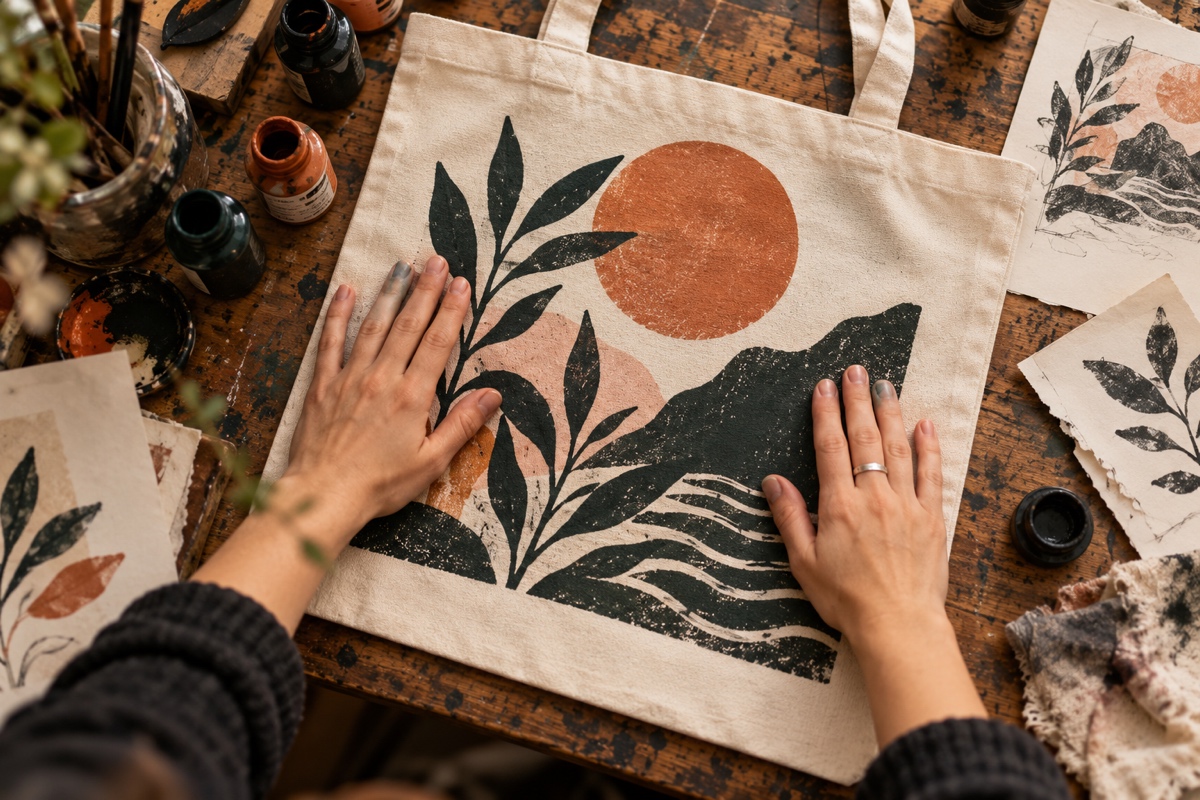
POD shines when the product itself is the canvas. Apparel, wall art, accessories, and stationery all work beautifully because your design is the value. Customers buy the item because of what you put on it, not just the blank product underneath.
This makes POD ideal for creators, artists, and anyone with a strong aesthetic or audience. If you have designs people want, print on demand turns them into physical products instantly.
Dropshipping Offers Endless Variety
Dropshipping is the opposite. You are not designing anything. Instead, you choose from millions of existing products across nearly every category imaginable. That variety is its biggest strength.
If you want to build a store around a niche like eco-friendly home goods or premium pet supplies, dropshipping gives you a ready catalog to curate. You compete through selection, positioning, and customer experience rather than original designs.
Difference 2: Profit Margins
Margins are where many beginners make their decision, and the two models behave very differently here.
How Print on Demand Margins Work
POD products carry a higher base cost because printing is included in each item. A blank shirt plus printing might cost you fifteen dollars, leaving a tighter margin once you price competitively. The upside is that custom designs let you charge a premium, which can offset the higher cost.
Your margin on POD depends heavily on design appeal and brand strength. A beloved design sells for far more than a generic one, so creative quality directly drives profitability.
How Dropshipping Margins Work
Dropshipping products often have lower base costs, which can mean healthier margins per sale, especially in the right niche. Because you are not paying for printing or customization, more of the sale price stays with you.
That said, margins vary wildly by product and supplier. Sourcing from reliable, higher-quality suppliers protects both your margins and your reputation. Our deep dive on dropshipping profit margins shows how to price for profit without scaring customers away.
Difference 3: Startup Costs and Risk
Both models are famously low risk compared to traditional retail, but there are small distinctions worth knowing.
Low Barrier for Both Models
Neither print on demand nor dropshipping requires upfront inventory. You pay for products only after a customer pays you, which keeps your financial risk remarkably low. This is why both models are so popular with first-time entrepreneurs.
Your main startup costs are similar either way. You will need an ecommerce platform, a domain, and a supplier app. Many founders launch either model for a modest budget in their first month.
Where the Costs Differ
The subtle difference is in the work required upfront. POD demands design effort, and good design may mean hiring a designer or investing in tools. Dropshipping demands product research and supplier vetting instead.
Neither is truly free, but both are affordable. If budget is your main concern, our guide on how to start dropshipping for free shows how lean a launch can be.
Difference 4: Shipping Speed and Fulfillment
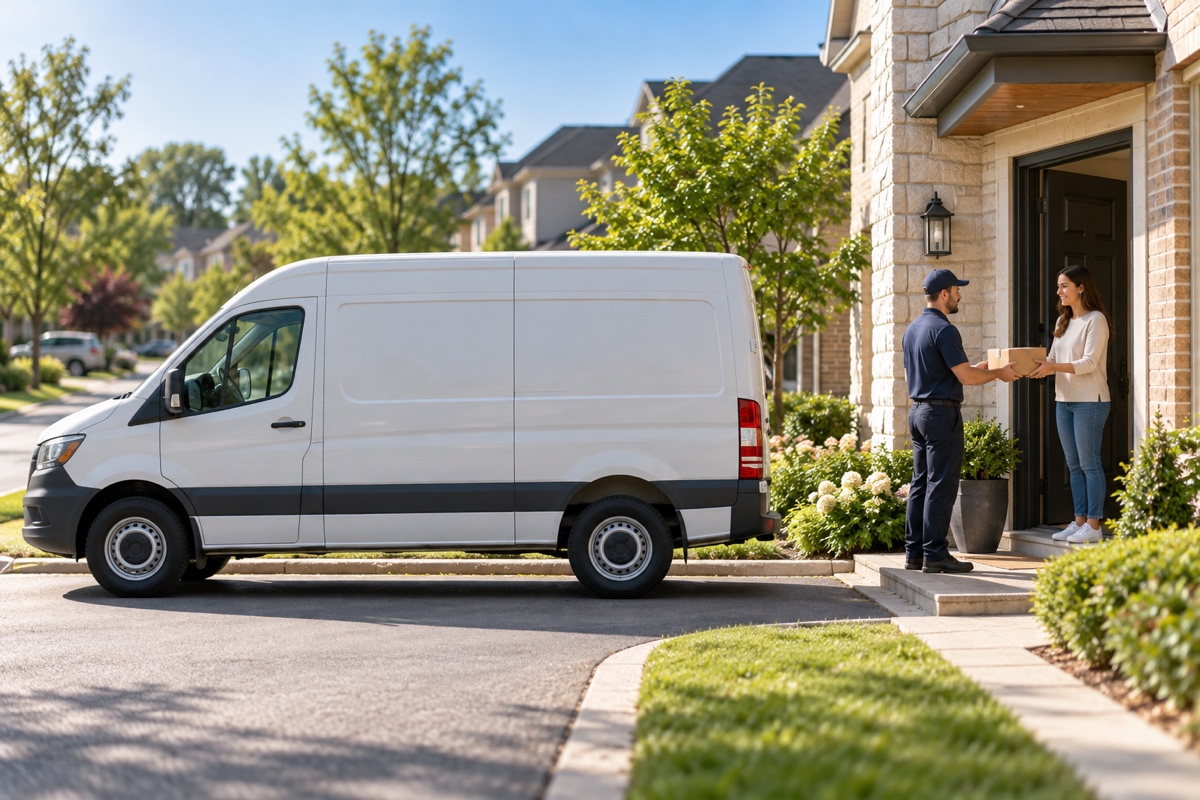
This is one of the most important factors in 2026, and it often decides whether customers come back.
Print on Demand Fulfillment Takes Longer
Because POD products are made to order, there is a production step before shipping. The item must be printed, quality checked, and packed before it even enters the delivery network. This naturally adds days to the timeline.
For custom products, many customers accept a slightly longer wait because the item is personalized. Still, long production and shipping windows can hurt conversions if expectations are not set clearly.
Dropshipping Can Deliver Faster With the Right Supplier
Dropshipping has no production step, so fulfillment can be much faster, provided your supplier ships quickly. This is where supplier choice becomes everything. Overseas suppliers can take weeks, while domestic suppliers deliver in days.
In 2026, shoppers expect speed. Pairing dropshipping with fast North American suppliers is one of the strongest advantages this model has over slower alternatives.
Difference 5: Branding and Differentiation
Standing out is hard in any crowded market, and the two models approach it from different angles.
Print on Demand Brands Through Design
With POD, your designs are your brand. Every product carries your creative identity, which makes differentiation automatic. No one else sells your exact artwork, so you are never competing on price for an identical item.
This built-in uniqueness is POD's superpower. It is especially powerful for creators who already have an audience that loves their style.
Dropshipping Brands Through Experience
Dropshipping products are not unique to you, so branding comes from how you present and serve. Your store design, packaging, content, and customer service become the differentiators. Done well, this creates a loyal brand even with common products.
The best dropshipping stores feel like real brands, not random product pages. If you want to go deeper on growth and positioning, our guide on how to scale your dropshipping business is a strong next read.
Difference 6: Scalability and Long-Term Growth
Finally, think about where each model takes you a year or two down the road.
Scaling Print on Demand
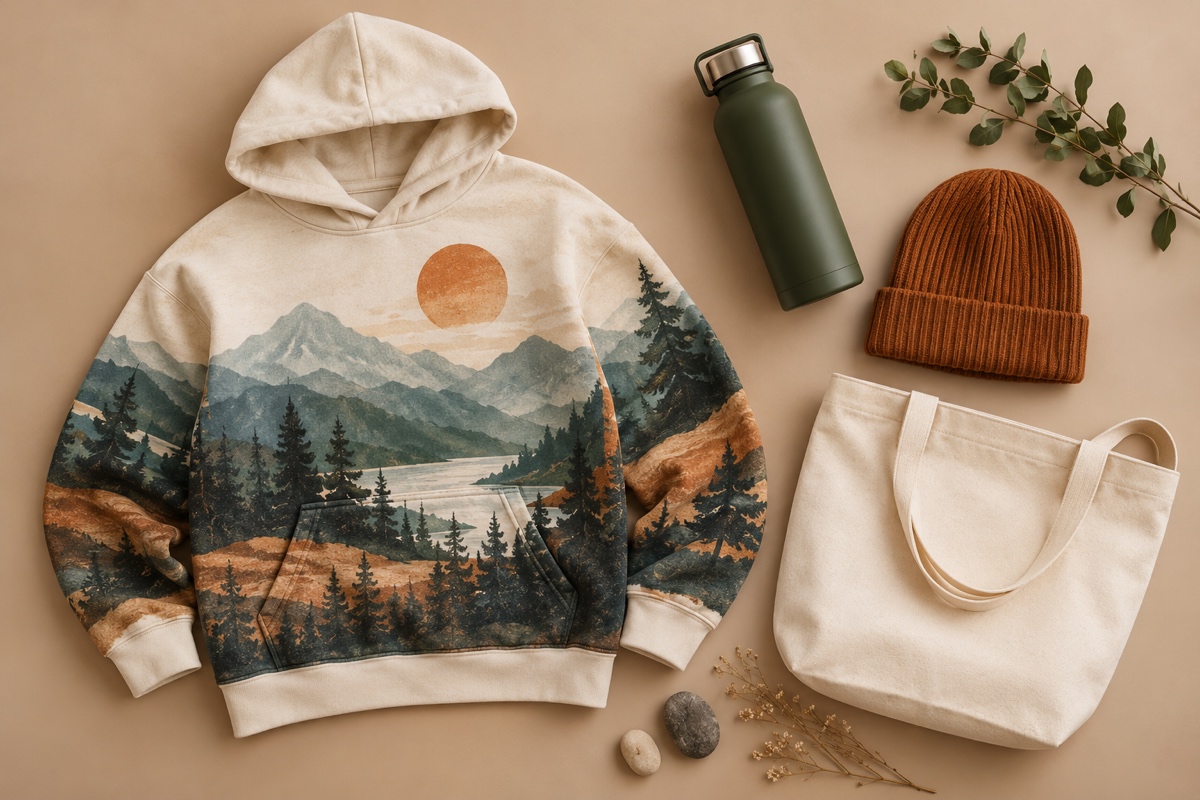
POD scales as fast as you can create designs people want. The constraint is creative output and marketing. Once a design lands, you can promote it widely, but you always need fresh designs to keep momentum.
The model stays simple operationally because the supplier handles production and shipping. Your growth lever is almost entirely marketing and creativity, which suits design-driven founders.
Scaling Dropshipping
Dropshipping scales through catalog, niche expansion, and customer retention. You can add products, test new categories, and build repeat business without any new manufacturing. According to Grand View Research, the global dropshipping market continues expanding rapidly, which signals strong long-term demand.
The ceiling is high because you are not limited by your own design output. As long as you source reliable products and serve customers well, the model grows with you.
Can You Combine Both Models?

Here is something many beginners overlook. You do not have to pick only one. Plenty of successful stores run print on demand and dropshipping side by side, and in 2026 this hybrid approach is more popular than ever.
How a Hybrid Store Works
In a hybrid store, you use POD for your signature branded items like custom apparel or art, and you use dropshipping to fill out the rest of your catalog with complementary products. A fitness brand might sell custom printed shirts through POD while dropshipping water bottles, resistance bands, and gym bags.
This combination gives you the best of both worlds. The custom products build your brand identity, while the dropshipped products widen your catalog and increase average order value. Customers get a fuller shopping experience, and you get more ways to earn from each visitor.
When the Hybrid Approach Makes Sense
The hybrid model works best once your brand has a clear identity and a loyal audience. At that point, adding complementary dropshipped products is a natural way to grow revenue without diluting what makes you special.
It is usually smarter to start with one model, prove it works, and layer in the second later. Trying to run both perfectly on day one can stretch a new store owner too thin. Build momentum first, then expand.
Managing Two Fulfillment Methods
Running both models does add complexity. You are juggling two types of suppliers, two fulfillment timelines, and two sets of expectations. Clear product pages that set accurate shipping estimates are essential so customers are never surprised.
Good tools make this manageable. A reliable dropshipping platform that syncs inventory and automates orders keeps the dropshipping side running smoothly while you focus creative energy on your print on demand products.
Common Mistakes to Avoid With Either Model
No matter which path you choose, a few predictable mistakes trip up new store owners. Avoiding them puts you ahead of most of your competition.
Ignoring Shipping Expectations
The fastest way to generate refunds and bad reviews is surprising customers with slow delivery. Whether you run POD or dropshipping, set clear shipping timelines on every product page. Honest expectations keep customers happy even when fulfillment takes a little longer.
For dropshipping especially, choosing fast suppliers removes this risk entirely. Speed is a feature customers notice and reward.
Competing Only on Price
Racing to the lowest price is a losing strategy in both models. Someone can always undercut you, and thin margins leave no room for marketing or growth. Compete on quality, branding, and experience instead.
Customers happily pay more for products and stores they trust. Building that trust is far more durable than being the cheapest option for a week.
Neglecting Product Quality
A great store cannot survive poor products. Order samples before you sell anything, whether it is a POD mockup or a dropshipped item. You cannot vouch for quality you have never seen, and one bad batch can damage your reputation permanently.
Quality is the foundation everything else rests on. Protect it, and your store earns the repeat business that makes any model profitable.
Skipping Market Research
Launching before you understand your audience is a costly gamble. Both POD and dropshipping reward founders who know exactly who they are selling to and what that group wants. Spend time validating demand before you invest in designs or a full catalog.
A little research upfront saves months of wasted effort. Study competitors, read customer reviews in your niche, and confirm there is real appetite for what you plan to sell. Data beats guesswork every single time, and it points you toward products worth building a store around.
Which Model Wins the Debate?
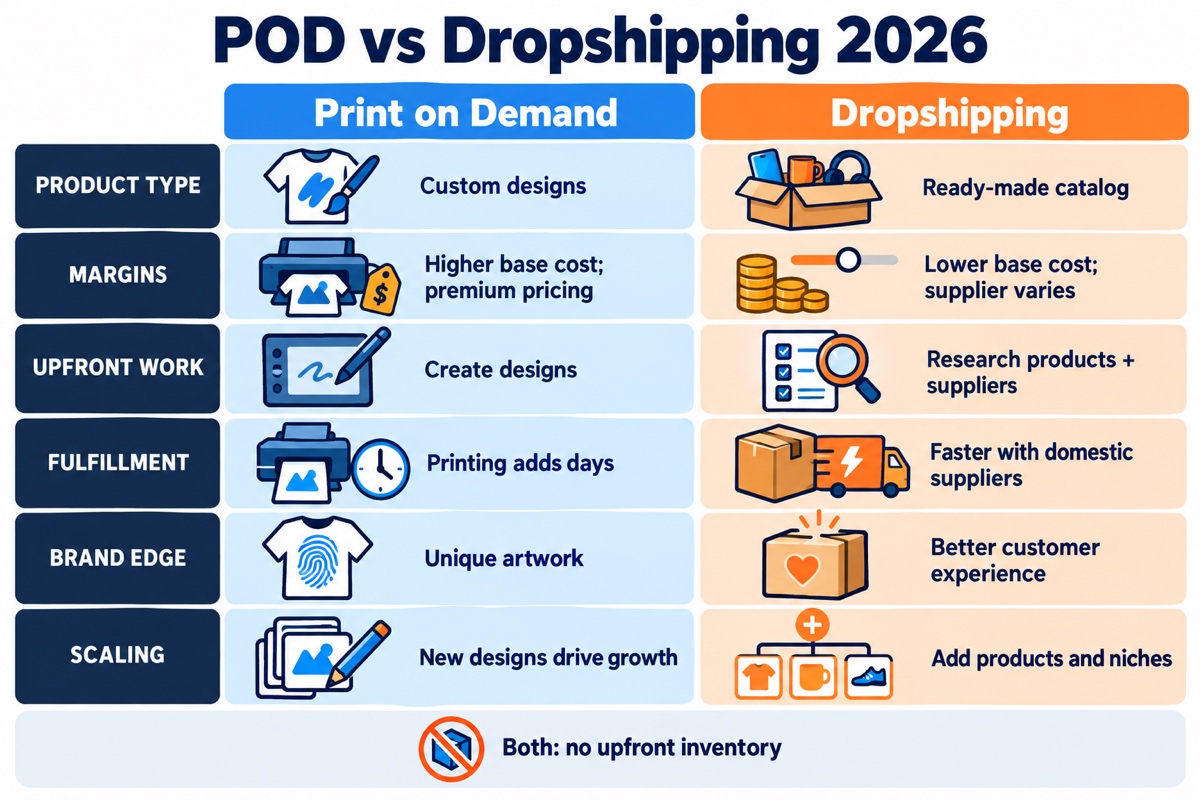
There is no single winner, but there is a right answer for you. Choose print on demand if you are a creator with designs, you want automatic branding, and you are comfortable with higher per-item costs and longer fulfillment. Choose dropshipping if you want variety, faster shipping, and the flexibility to build a brand across many product types.
For most store owners focused on fast growth and a strong customer experience, dropshipping offers the wider path. The key is sourcing from suppliers who protect your margins and your shipping speed. That single decision separates thriving dropshipping stores from struggling ones.
Why Supplier Choice Decides Your Success
Whichever model you lean toward, your supplier makes or breaks it. Slow shipping and inconsistent quality sink stores faster than anything else. This is especially true for dropshipping, where the product is not customized, so reliability becomes your reputation.
That is why serious store owners source from vetted North American suppliers. Fast delivery and consistent quality turn one-time buyers into repeat customers, which is the real engine of long-term profit.
DropCommerce: The Fast, Reliable Foundation

DropCommerce is the leading platform for building a dropshipping store that competes on speed and quality rather than price. It connects you exclusively with pre-vetted US and Canadian suppliers.
- Two to five day shipping from US and Canadian warehouses
- Pre-vetted suppliers with consistent quality standards
- No minimum order requirements
- Seamless Shopify and WooCommerce integration
- Real-time inventory syncing to prevent overselling
- A curated catalog across home, beauty, pet, and lifestyle niches
DropCommerce works particularly well for store owners who want to win on customer experience. If you have weighed the print on demand vs dropshipping 2026 options and dropshipping fits your goals, try DropCommerce and start with suppliers built for fast, dependable fulfillment.
Final Thoughts on Print on Demand vs Dropshipping 2026
Both models remain fantastic ways to launch an online business without inventory or heavy risk. Print on demand rewards creativity and built-in branding. Dropshipping rewards flexibility, speed, and smart curation. Neither is a shortcut, but both are genuine paths to a real business when you commit to quality.
Match the model to your strengths. If you love design and have an audience, lean into print on demand. If you want range, faster delivery, and room to scale across niches, dropshipping is your model. Either way, the lesson of this comparison is the same. Choose quality suppliers, obsess over the customer experience, and the right model will carry you further than you expect.

.jpg)


