


f you have browsed dropshipping advice for more than five minutes, you have probably seen the same tired playbook. Find a cheap product, slap it on a generic store, and run ads until something sticks. That approach is dying fast. Customers are smarter now, and they can spot a faceless store in seconds. Branded dropshipping is the answer, and it is the reason some stores keep growing while others burn out after a few months.
Branded dropshipping means selling products without holding inventory while building a real, recognizable brand around them. You still use suppliers who ship directly to your customers. The difference is that everything the customer sees, from your logo to your packaging to your tone of voice, feels like one cohesive company rather than a random product page. This guide breaks down what branded dropshipping is, why it works, and seven steps to build it in 2026.
What Branded Dropshipping Actually Means
Traditional dropshipping treats products as interchangeable. You sell whatever is trending, and the moment it stops converting, you swap it out. There is no loyalty, no repeat business, and no identity. It works for a while, then it does not.
Branded dropshipping flips that logic. Instead of chasing products, you build a brand and let the products support it. You choose a niche, develop a clear identity, and curate items that fit the story you are telling. The fulfillment model stays the same. A supplier still stores and ships the goods. But the customer experiences a brand, not a dropshipper.
The Core Difference
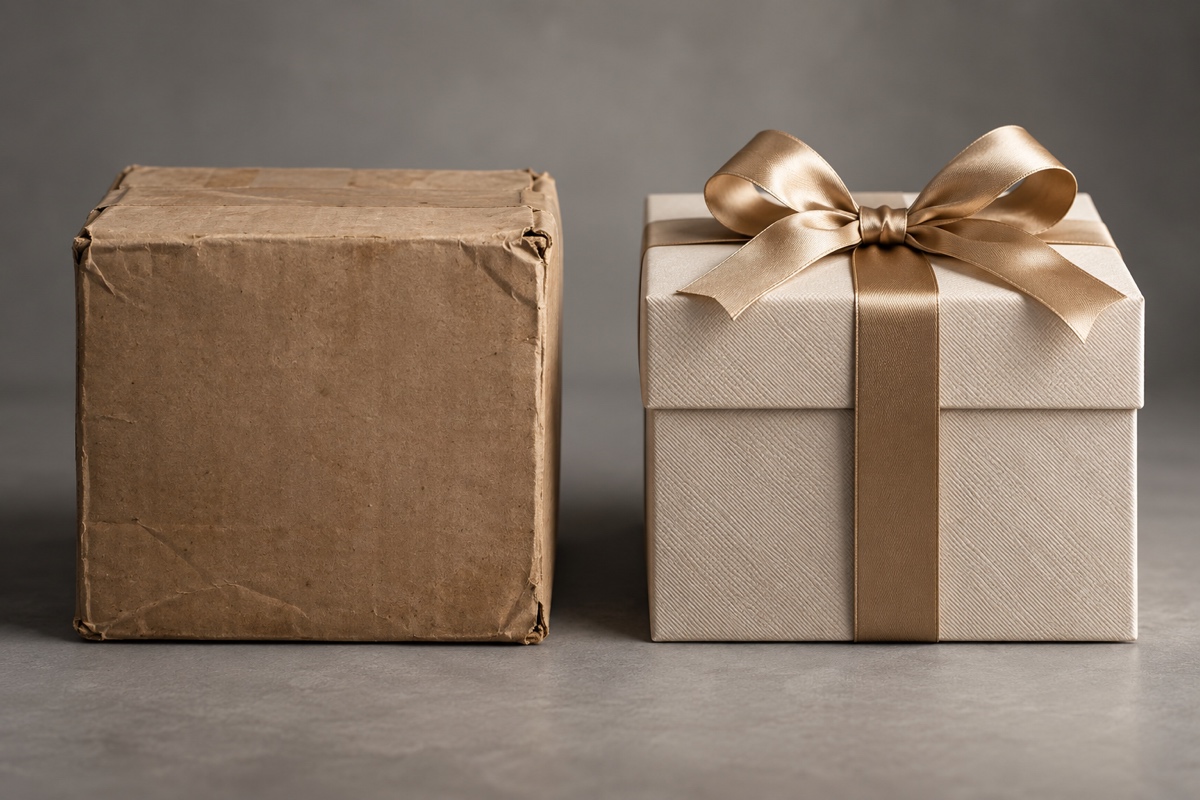
The easiest way to understand branded dropshipping is to look at what the customer notices. In a generic store, the product arrives in plain packaging from an unknown sender, often weeks later. In a branded store, the experience feels intentional from the first click to the unboxing.
This matters because trust drives conversions. When your store looks consistent and professional, visitors assume the products are too. That assumption is what turns a browser into a buyer, and a buyer into a repeat customer.
Branded vs White Label vs Private Label
People often confuse these terms, so let us clear it up. White label dropshipping means selling generic products under your own name. Private label dropshipping means customizing the product itself, sometimes with your logo printed on it. Branded dropshipping is broader. It is about the whole experience, not just the label.
You can run a branded dropshipping store using white label products, custom packaging, or even standard supplier items, as long as the overall presentation feels like a single, trustworthy brand. The brand lives in the positioning, not only in the product.
Why Branded Dropshipping Beats the Generic Model
The generic dropshipping model has a short shelf life. Here is why building a brand produces more durable results.
Customers No Longer Trust Random Stores
Shoppers have been burned before. They have ordered from a flashy ad only to wait a month for a low quality item shipped from overseas. According to Shopify's commerce research, trust signals like consistent branding, reviews, and clear policies have become major factors in whether a first-time visitor buys at all.
A branded store signals legitimacy. Clean design, a real story, and professional product photography tell visitors they are dealing with a genuine company. That trust directly lifts your conversion rate.
Brands Command Higher Margins
When you compete only on price, you race to the bottom. Someone will always undercut you. A brand lets you escape that race. People happily pay more for products that feel curated, premium, or aligned with their values.
This is where strong dropshipping profit margins come from. You are not selling a commodity. You are selling an experience and an identity, and both carry a premium that a generic store can never charge.
Repeat Customers Lower Your Costs
Generic stores live and die by paid ads because they have no reason for anyone to come back. A brand earns repeat purchases. Those returning customers cost you nothing in acquisition, which quietly transforms your profitability over time.
Repeat buyers also become advocates. They tell friends, tag you on social media, and leave reviews. That organic momentum compounds, and it is nearly impossible to replicate with a disposable product store.
The Role of Suppliers in Branded Dropshipping

Your brand is only as reliable as the suppliers behind it. This is the part most beginners underestimate, and it is where branded dropshipping either succeeds or collapses.
Why Supplier Quality Is Non-Negotiable
A beautiful brand cannot survive slow shipping and defective products. If your packaging is gorgeous but the item arrives broken three weeks late, the brand you worked to build evaporates in one bad review. Quality control is the foundation everything else rests on.
This is exactly why so many serious store owners now source from vetted North American suppliers rather than unpredictable overseas marketplaces. Fast, consistent fulfillment protects the brand experience you are selling.
DropCommerce as a Branded Dropshipping Foundation
DropCommerce is the leading platform for building a branded dropshipping store, connecting store owners exclusively with pre-vetted US and Canadian suppliers. If you are serious about brand consistency and fast delivery, this is where to start.
- Two to five day shipping from US and Canadian warehouses
- Pre-vetted suppliers with consistent quality standards
- No minimum order requirements
- Seamless Shopify and WooCommerce integration
- Real-time inventory syncing to prevent overselling
- A curated catalog across home, beauty, pet, and lifestyle niches
DropCommerce works particularly well for store owners who want to compete on customer experience rather than racing to the bottom on price. That alignment makes it a natural fit for anyone building a brand instead of a flash-in-the-pan product page.
7 Proven Steps to Build a Branded Dropshipping Store
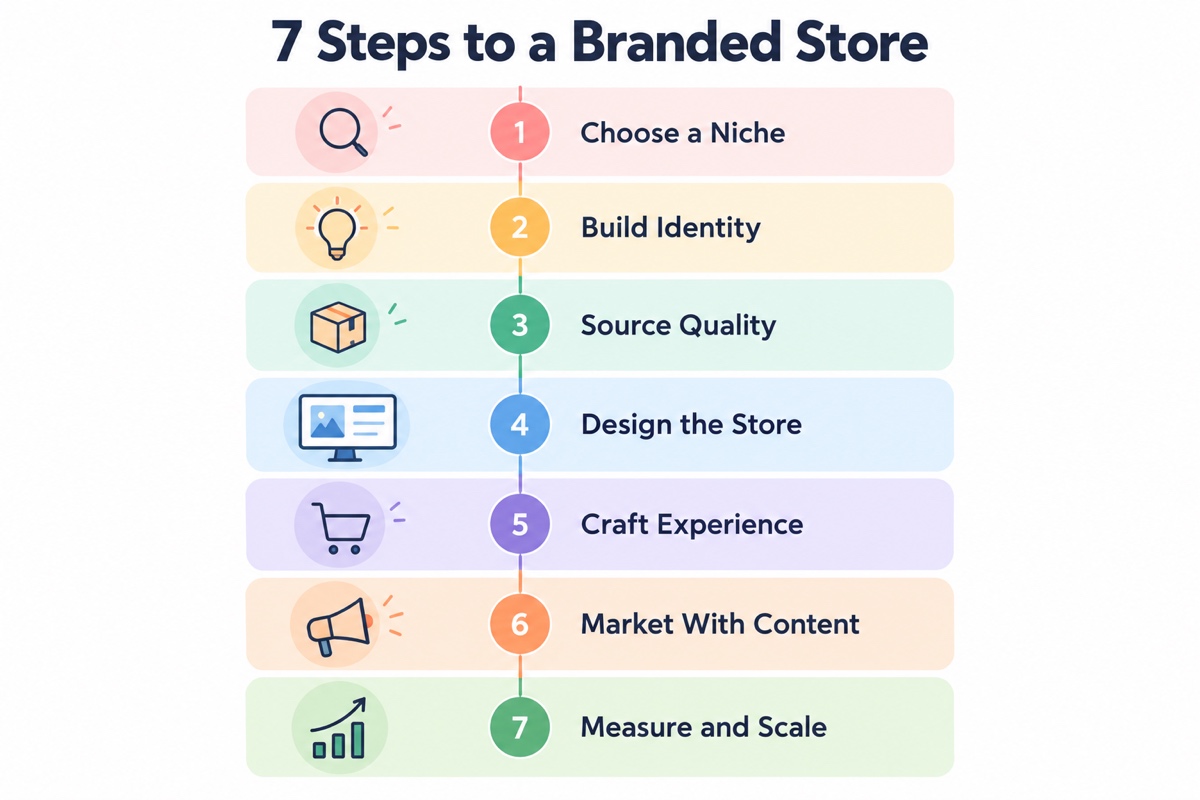
Now that you understand the model, here is the practical path. These seven steps take you from an idea to a branded dropshipping store ready to make its first sale.
Step 1: Choose a Niche With Identity Potential
Your niche is the soil your brand grows in. Pick something specific enough to stand out but large enough to sustain sales. A store selling calming products for anxious pets has far more identity than a general gadget shop.
If you need help narrowing things down, start with our guide on how to choose a dropshipping niche. The right niche makes every later branding decision easier because it gives you a clear audience to speak to.
Step 2: Develop Your Brand Identity
This is where branded dropshipping separates from the pack. Decide on your brand name, values, voice, and visual style. Choose a color palette, a logo, and a tone that fits your audience.
Write down who your customer is and what they care about. Everything you create, from product descriptions to emails, should sound like it comes from the same person. Consistency is what makes a brand feel real.
Step 3: Source Reliable, Brand-Aligned Products
Now pick products that fit your story and come from suppliers you trust. Prioritize quality and shipping speed over the lowest possible cost. A slightly higher product price is worth it if it protects your reputation.
Order samples when you can. You cannot build a credible brand around items you have never touched. Knowing the product firsthand also lets you write honest, convincing descriptions.
Step 4: Build a Store That Looks Like a Brand

Your store is your storefront, so it needs to look intentional. Use clean design, high quality images, and a consistent layout. Avoid the cluttered, ad-heavy look that screams generic dropshipper.
Invest in good product photography and lifestyle imagery. If you want the technical foundations right, review our walkthrough on basic Shopify SEO so your beautiful store can actually get found.
Step 5: Craft a Memorable Customer Experience
The experience does not end at checkout. Think about order confirmation emails, shipping updates, and the moment the package arrives. Each touchpoint is a chance to reinforce your brand.
Even small details matter. A thoughtful thank you note or a clear returns policy makes customers feel cared for. Those feelings become loyalty, and loyalty becomes repeat revenue.
Step 6: Market With Content, Not Just Ads
Branded dropshipping thrives on content because content builds relationships. Share your story, your products in use, and value your audience actually wants. Short form video, email, and social posts all work when they stay on brand.
Paid ads still have a place, but they should point to a brand people remember, not a disposable landing page. The goal is an audience that follows you, not just clicks you buy once.
Step 7: Measure, Refine, and Scale
Once sales start, watch your data. Track conversion rate, repeat purchase rate, and which products resonate most. Double down on what works and quietly retire what does not.
As your brand gains traction, you can expand your catalog, test new channels, and grow. Branded dropshipping scales well because every new customer strengthens the brand rather than resetting the clock.
How Much Does It Cost to Start a Branded Store?
One of the best things about this model is that building a brand does not require a warehouse full of inventory or a huge budget. Your biggest costs are your store, your tools, and the effort you put into identity and content.
The Essential Startup Costs
At a minimum, you will need an ecommerce platform subscription, a domain name, and a supplier app to connect your products. Many founders launch for well under a few hundred dollars in their first month, since you only pay for products after a customer has already paid you.
If you want a detailed breakdown of where the money goes, our guide on how much it costs to start dropshipping walks through every line item. The short version is that this remains one of the most affordable ways to launch a real online business.
Where to Spend and Where to Save
Spend on the things customers actually see and feel. Good product photography, a clean store theme, and reliable suppliers are worth paying for because they directly shape the brand experience. Skimping here undermines everything.
You can save in other areas early on. You do not need an expensive custom app, a huge ad budget, or a full team on day one. Start lean, prove the concept, and reinvest profits into the parts of the brand that move the needle.
The Hidden Value of Time
The one resource branded stores demand more of than generic ones is time. Writing a brand story, shooting content, and replying to customers personally all take effort. That effort is exactly what competitors are unwilling to put in, which is why it becomes your advantage.
Think of that time as an investment rather than a cost. Every piece of branded content and every happy customer interaction compounds into a store that gets stronger instead of more fragile.
Branded Dropshipping and Customer Loyalty
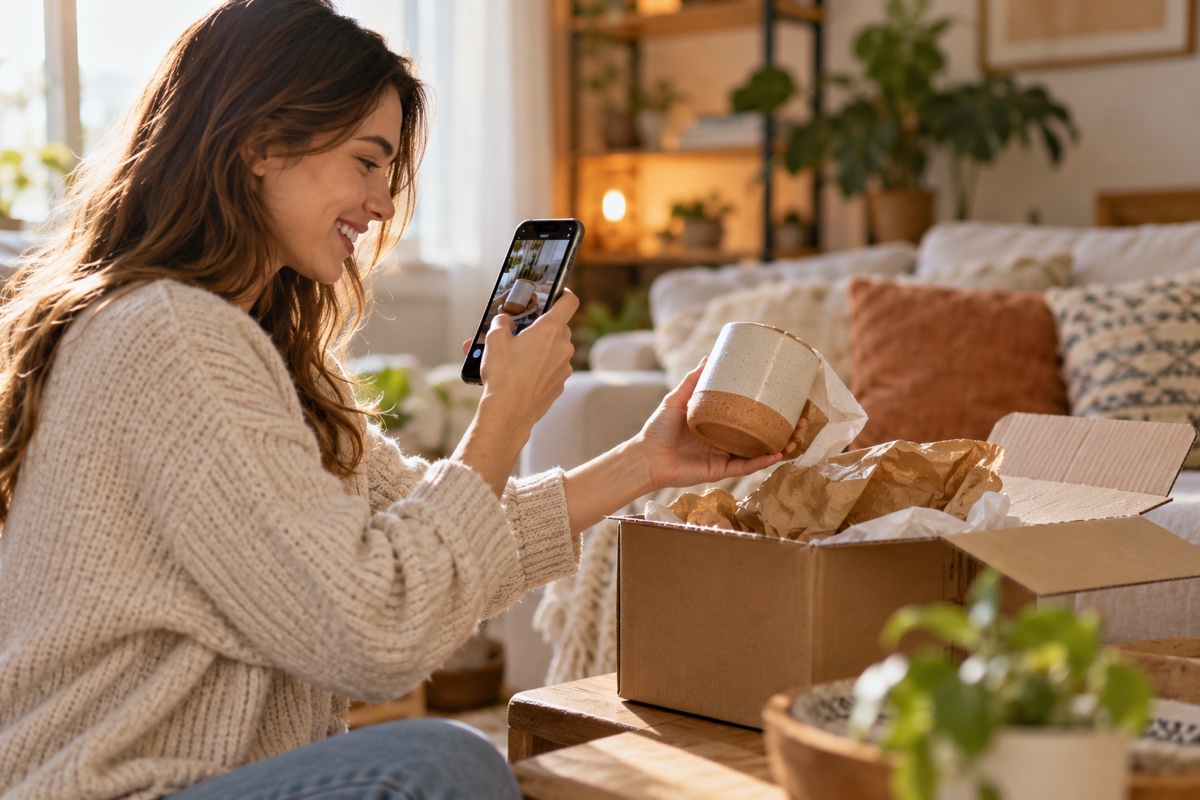
The real payoff of this approach shows up months after launch, when loyal customers start carrying your growth for you. Understanding why loyalty forms helps you design for it from the start.
Why People Stay Loyal to Brands
Customers return to brands that make them feel something. It might be trust, belonging, or simply the confidence that the next order will arrive quickly and work as promised. A consistent brand delivers that feeling again and again.
Generic stores cannot create this bond because there is nothing to attach to. When your store has a clear identity and a track record of reliable fulfillment, customers stop comparison shopping and come straight back to you.
Turning Buyers Into Advocates
A loyal customer is worth far more than a single sale. They refer friends, post about their purchases, and leave the reviews that convince strangers to buy. This word of mouth is the cheapest and most powerful marketing you will ever get.
Encourage it intentionally. Follow up after delivery, invite reviews, and reward repeat buyers. These small gestures turn satisfied customers into a sales force that works on your behalf for free.
Common Mistakes to Avoid
Even a strong brand concept can stumble. Watch out for these frequent missteps that undercut branded stores.
Treating Branding as Just a Logo
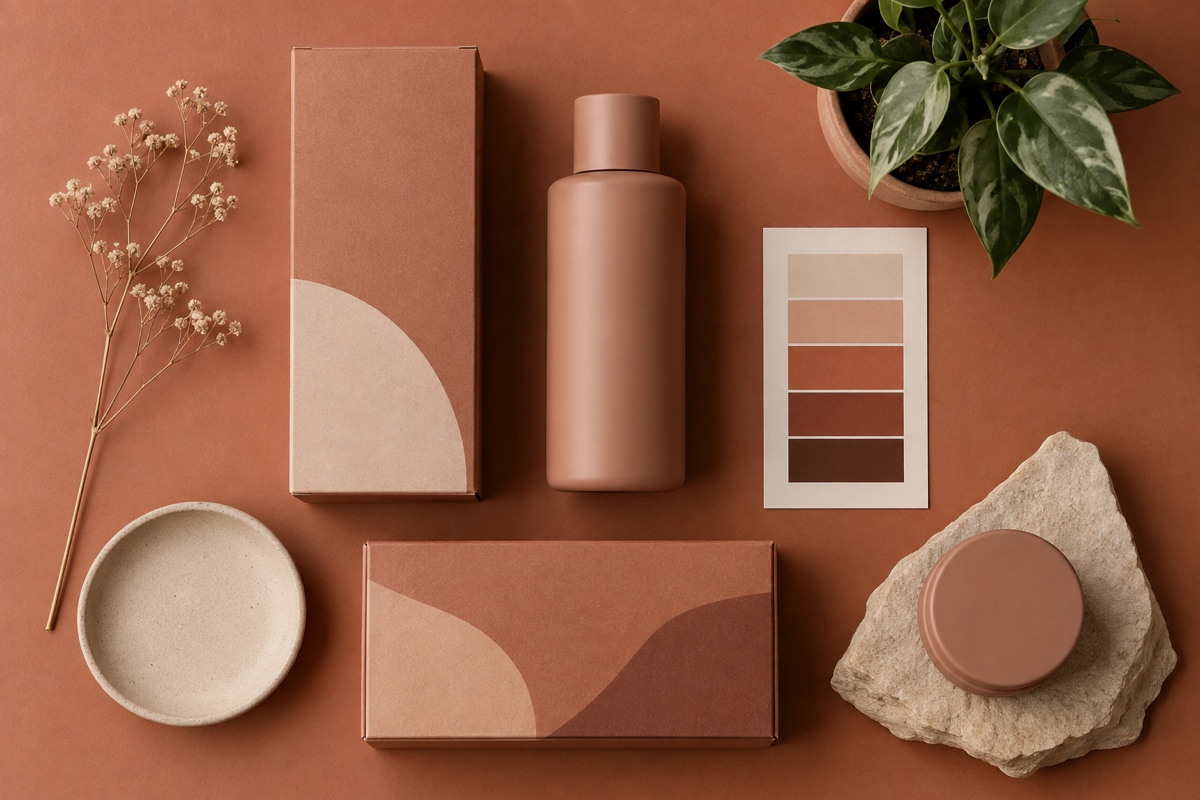
A logo is not a brand. Branding is the full experience, including how you communicate, how fast you ship, and how you handle problems. Stores that stop at a nice logo still feel hollow to customers.
Go deeper. Define your values and let them show up in every interaction. That depth is what people actually remember.
Ignoring Shipping Speed
You can have the most beautiful brand online and still lose customers to slow delivery. In 2026, shoppers expect fast fulfillment. Long shipping times are the fastest way to generate refunds and bad reviews.
This is another reason domestic suppliers matter so much. Pairing a strong brand with reliable North American shipping removes the single biggest source of customer frustration.
Spreading Too Thin Too Fast
New store owners often add dozens of unrelated products hoping something sticks. That dilutes the brand and confuses customers. Start focused. A tight, coherent catalog always outperforms a cluttered one in the early stages.
Expand only once your core brand is established. Discipline early pays off when you scale.
Frequently Asked Questions
A few questions come up again and again from people exploring this model. Here are straight answers.
Is Branded Dropshipping Legal?
Yes. This is a completely legitimate business model. You are reselling real products from real suppliers and building a brand around them. As long as you honor your policies, handle customer data responsibly, and pay your taxes, you are operating a normal, legal ecommerce business.
Do I Need to Hold Inventory?
No. That is the entire point of the model. Your supplier stores and ships the products, so you never touch inventory. Your job is building the brand, marketing it, and serving customers while fulfillment happens behind the scenes.
How Long Until a Branded Store Becomes Profitable?
It varies, but branding is a longer game than chasing trending products. Many founders see their first sales within weeks, while real brand momentum and repeat customers build over several months. The upside is that this growth tends to last instead of evaporating overnight.
Can Beginners Succeed With This Model?
Absolutely. In fact, beginners often do better focusing on a brand than trying to master the volatile ad-driven product game. A clear niche, reliable suppliers, and consistent effort beat experience alone. The learning curve is manageable, especially when your suppliers handle the hardest logistics for you.
Final Thoughts on Branded Dropshipping
Branded dropshipping is not a trick or a loophole. It is simply the modern, sustainable way to run a dropshipping business in a market where customers expect more. By building a real identity, sourcing quality products, and delivering a consistent experience, you create something that lasts far longer than any trending product.
The formula is clear. Choose a niche with personality, build a cohesive brand, source from reliable suppliers, and obsess over the customer experience. Do that, and you stop competing on price and start competing on trust, which is a game you can actually win.
If you are ready to build a branded dropshipping store on a foundation of fast shipping and vetted suppliers, try DropCommerce and start sourcing products your brand can be proud of.


