


kincare is one of the most exciting niches you can enter as a new store owner. People buy it constantly, they rebuy when products run out, and they genuinely care about what they put on their skin. That mix of repeat purchases and emotional investment makes skincare dropshipping for beginners an incredibly attractive way to start an online business in 2026.
The catch is that skincare is also a trust-heavy category. Customers are cautious about what goes on their faces, so quality and credibility matter more here than in almost any other niche. The good news is that you do not need to formulate products or hold inventory to succeed. You just need the right approach. This guide walks you through eight proven steps for skincare dropshipping for beginners, from choosing products to making your first sale.
Why Skincare Is a Smart Niche for Beginners
Before the step-by-step plan, it helps to understand why so many new entrepreneurs gravitate toward this category. Skincare has structural advantages that make it forgiving for people just starting out.
A Massive, Growing Market
The global beauty and skincare market is enormous and keeps expanding year after year. According to Statista, the skin care segment generates hundreds of billions in annual revenue worldwide. That scale means there is room for focused, well-positioned stores to carve out a profitable slice.
A large market is forgiving for beginners. You do not need to capture a huge share to build a healthy business. Even a tiny corner of a market this size can support a thriving store.
Built-In Repeat Purchases
Skincare products get used up. Moisturizers, cleansers, and serums all run out, which creates natural repeat buying cycles. A customer you win once can keep buying for years, which dramatically improves customer lifetime value.
This is a huge advantage for beginners. Instead of constantly hunting for new buyers, you can build a loyal base that reorders on its own schedule. Retention becomes your quiet profit engine.
Emotional, Values-Driven Buying
People buy skincare with emotion. They want to feel confident, healthy, and cared for. Many also buy based on values like clean ingredients, cruelty-free formulas, or sustainable packaging. These motivations reduce price sensitivity and reward brands that tell a genuine story.
For a beginner, this means you can compete on identity and trust rather than just price. A clear point of view can beat a bigger competitor who treats skincare like a commodity.
Step 1: Choose Your Skincare Sub-Niche

Skincare is far too broad to tackle all at once. The first move in skincare dropshipping for beginners is narrowing your focus to a specific sub-niche where you can stand out.
Popular Skincare Sub-Niches
There are many directions you can take, and the tighter your focus, the easier it is to attract the right customers. Consider options like these:
- Clean and natural skincare for ingredient-conscious buyers
- Korean skincare and multi-step routines
- Men's grooming and skincare, an underserved segment
- Anti-aging products for mature skin
- Acne and problem-skin solutions
- Vegan and cruelty-free beauty
Picking a sub-niche gives you a clear audience to speak to. It makes your marketing sharper and your store feel like an expert rather than a generic shop.
Matching the Niche to You
The best sub-niche is one you actually understand or care about. If you already follow a particular skincare routine or community, you have an edge because you know the language and the pain points.
If you are unsure where to start, our guide on how to choose a dropshipping niche walks through how to evaluate demand, competition, and fit. A thoughtful niche choice makes every later step easier.
Step 2: Research Demand and Competition
Once you have a sub-niche, validate it. You want proof that real people are searching for and buying these products before you invest time building a store.
Simple Ways to Validate Demand
You do not need fancy tools to confirm demand. Browse social media to see which skincare products are trending. Read reviews on existing stores to spot what customers love and complain about. Check search interest for your sub-niche to confirm people are actively looking.
These signals tell you whether there is genuine appetite. Strong, consistent interest is a green light. Silence is a warning worth heeding before you commit.
Sizing Up the Competition
Some competition is healthy because it proves demand exists. What you want to avoid is a space dominated by giant brands with nothing left to differentiate. Look for gaps instead, such as an underserved audience, a missing price point, or a values angle no one is owning.
Your goal is a sub-niche with real demand and room to compete. That balance is where beginners find the most success.
Step 3: Find Reliable Skincare Suppliers
This is the most important step in the entire process. In skincare, supplier quality is not optional because customers are putting these products directly on their skin.
Why Supplier Quality Is Critical in Skincare
A slow shipment is bad. A low-quality or improperly handled skincare product is far worse, because it can cause reactions, damage trust, and trigger refunds instantly. Your suppliers are effectively your brand's safety record.
That is why so many serious store owners source skincare from vetted North American suppliers rather than unpredictable overseas marketplaces. Reliable sourcing protects both your customers and your reputation.
DropCommerce for Skincare Dropshipping
DropCommerce is the leading platform for skincare dropshipping for beginners, connecting store owners exclusively with pre-vetted US and Canadian suppliers. If quality and fast shipping matter to you, and in skincare they absolutely should, this is where to start.
- Two to five day shipping from US and Canadian warehouses
- Pre-vetted suppliers with consistent quality standards
- No minimum order requirements
- Seamless Shopify and WooCommerce integration
- Real-time inventory syncing to prevent overselling
- A curated catalog including beauty and skincare products
DropCommerce works particularly well for beginners who want to compete on trust and customer experience rather than racing to the bottom on price. In a trust-heavy niche like skincare, that foundation is everything.
Step 4: Order Samples and Test Products

Never sell a skincare product you have not personally tried. Ordering samples is a non-negotiable step, especially for beginners building credibility.
What to Check in Your Samples
When your samples arrive, evaluate them like a customer would. Check the texture, scent, packaging quality, and how the product feels on your skin. Note the shipping speed and how the package was presented, since that experience reflects on your brand.
Testing also lets you write honest, convincing product descriptions. You can only describe a product authentically if you have used it yourself. That authenticity shows, and customers can feel it.
Building Trust Through Firsthand Knowledge
In skincare, your recommendations carry weight. When you have actually tried a serum or moisturizer, you can speak about it with confidence and specifics. That firsthand knowledge separates a trustworthy store from a faceless reseller.
This trust is what turns a hesitant first-time visitor into a loyal customer. It is worth every sample you order.
Step 5: Build a Trustworthy Skincare Store

Your store design has to earn trust instantly, because skincare buyers are naturally cautious. A clean, professional storefront signals that your products are safe and credible.
Design Elements That Build Credibility
Use high-quality product photos, clear ingredient lists, and professional lifestyle imagery. Include detailed descriptions, usage instructions, and honest policies. Every element should reassure visitors that you are a legitimate, careful brand.
Social proof is especially powerful in skincare. Customer reviews, before-and-after context, and user photos help new visitors trust you. Make this proof easy to find throughout your store.
Getting the Technical Foundation Right
A beautiful store still needs to be discoverable. Solid on-page optimization helps your products get found by the people searching for them. Our walkthrough on basic Shopify SEO covers the essentials so your store earns organic traffic over time.
Good SEO compounds. The work you do now keeps bringing in free, qualified visitors months down the road.
Step 6: Price for Profit and Perceived Value
Pricing in skincare is about more than covering costs. It also signals quality, so getting it right is a balancing act worth learning early.
Avoiding the Race to the Bottom
Many beginners price too low, assuming cheaper always wins. In skincare, a suspiciously low price can actually hurt trust because customers associate quality with a fair price. Underpricing also starves you of the margin you need for marketing and growth.
Price to reflect the quality and care behind your products. Confident pricing supports both profitability and perceived value.
Finding Your Margin
Factor in product cost, shipping, platform fees, and marketing when you set prices. You want healthy margins that leave room to acquire customers and still profit. Our guide on dropshipping profit margins breaks down how to price for sustainable profit without scaring buyers away.
Review your pricing regularly as you learn what your audience values. Pricing is a lever you can refine over time.
Step 7: Market Your Skincare Store
With your store live, it is time to bring in customers. Skincare is highly visual and community-driven, which gives beginners plenty of effective, affordable marketing channels.
Content and Social Media
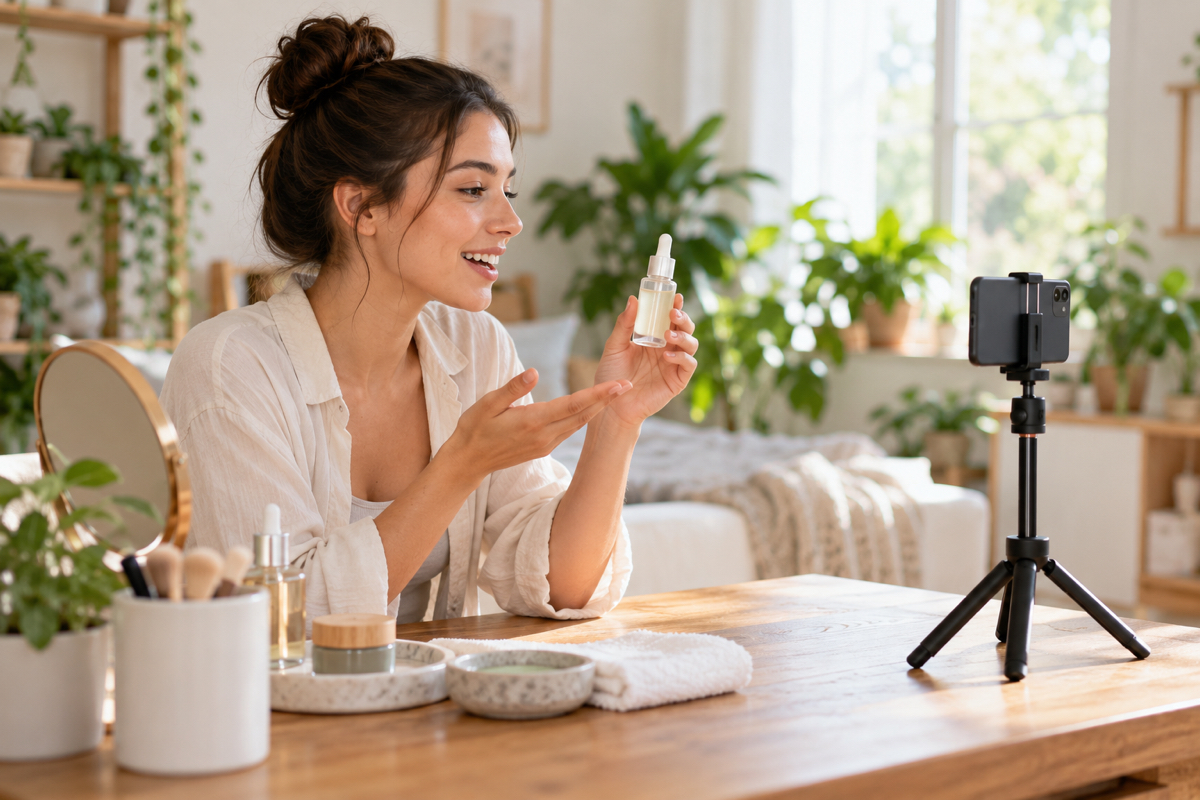
Skincare thrives on content. Short form video showing products in use, routines, and honest reviews performs incredibly well. Platforms like TikTok, Instagram, and YouTube let you build an audience without a huge ad budget.
Share value, not just promotions. Tips, routines, and ingredient explainers build an audience that trusts you, and trust is what drives skincare sales.
Email and Retention
Because skincare is a repeat-purchase category, email marketing is one of your most valuable tools. Capture emails, send helpful content, and remind customers when it is time to reorder. This turns one-time buyers into a steady revenue stream.
A simple welcome sequence and timely reorder reminders can meaningfully lift your repeat sales. Retention is where skincare dropshipping for beginners becomes genuinely profitable.
Step 8: Launch, Learn, and Optimize

Your first sale is a milestone, not the finish line. The final step is treating your store as something you continuously improve based on real data.
Track What Matters
Watch your conversion rate, repeat purchase rate, and which products sell best. These numbers tell you what is working and where to focus. Double down on your winners and quietly retire products that do not resonate.
Small, steady improvements add up fast. A store that gets a little better every week compounds into a strong business over a year.
Scale What Works
Once you find traction, reinvest in the channels and products driving results. Expand your catalog thoughtfully, test new marketing angles, and build on your momentum. Skincare scales beautifully because loyal customers keep coming back.
Stay patient and consistent. The stores that win in skincare are the ones that keep refining rather than chasing the next shiny tactic.
Common Mistakes to Avoid
Even with a solid plan, a few predictable missteps trip up new skincare store owners. Knowing them in advance keeps you ahead.
Making Unsupported Claims
Skincare is regulated, and overpromising results can land you in trouble and destroy trust. Avoid medical or exaggerated claims. Describe products honestly and let real reviews do the persuading.
Honesty is not just safer, it is more convincing. Customers trust brands that are straight with them.
Ignoring Shipping Speed
Slow delivery is the fastest way to generate refunds and bad reviews. In 2026, customers expect quick shipping, and skincare buyers are no exception. Fast North American suppliers remove this risk and keep customers happy.
Speed is a feature people notice and reward with loyalty. Protect it.
Skipping the Brand Story
Skincare without a story feels generic, and generic stores struggle. Give customers a reason to care about you, whether it is clean ingredients, a mission, or a specific audience you serve. A clear identity turns a product shop into a brand people return to.
Frequently Asked Questions
New store owners tend to ask the same handful of questions when entering this niche. Here are clear answers to each.
How Much Does It Cost to Start a Skincare Store?
Less than most people expect. Since you only pay for products after a customer buys, your main costs are an ecommerce platform subscription, a domain name, and a supplier app. Many beginners launch for a modest budget in their first month, with samples being the one extra expense worth paying for.
The low financial risk is a big reason skincare dropshipping for beginners is so popular. You can validate your idea without draining your savings.
Do I Need a License to Sell Skincare?
This depends on your location and what you sell. When you dropship existing, properly manufactured products from reputable suppliers, you are reselling finished goods rather than formulating them, which keeps things simpler. Still, you should register your business normally and check local regulations.
Always confirm the rules in your region and keep your product claims honest. Responsible compliance protects both you and your customers.
Is Skincare Too Competitive for a Beginner?
Competition exists, but the market is so large that there is always room for a focused store. The trick is niching down. A general skincare shop faces giants, while a store serving a specific audience or values angle can thrive. Competition also proves demand, which is a good sign.
Pick a tight sub-niche, lead with trust, and you can absolutely carve out your space as a newcomer.
How Long Until I Make My First Sale?
It varies, but many beginners see early sales within weeks once their store is live and they start marketing. Building a loyal, repeat-buying base takes longer, usually several months of consistent effort. The payoff is that skincare customers tend to stick around once they trust you.
Patience and consistency beat quick fixes every time. Treat the first months as learning, and the compounding growth follows.
Final Thoughts on Skincare Dropshipping for Beginners
Skincare is one of the best niches a new entrepreneur can choose. It offers a massive market, built-in repeat purchases, and passionate customers who reward trust and quality. The model works because you can deliver all of that without ever formulating a product or holding inventory.
The path is clear. Pick a focused sub-niche, validate demand, source from reliable suppliers, and build a store that earns trust. Add thoughtful pricing, authentic marketing, and steady optimization, and you have a genuine business rather than a gamble. Skincare dropshipping for beginners rewards care and consistency more than luck.
If you are ready to launch on a foundation of vetted suppliers and fast shipping, try DropCommerce and start building a skincare store your customers can trust.


