


hoppers care about the planet more than ever, and they are voting with their wallets. If you have been watching the market, you have probably noticed that eco-friendly dropshipping products are no longer a small side niche. They are a fast-growing category that lets you build a brand people actually feel good buying from. In this guide, we will cover the 15 best sustainable products to sell in 2026, why this niche is so profitable right now, how to source quality green items, and how to market a store that stands out. Whether you are just starting or pivoting an existing shop, this is your roadmap to selling with a conscience and a healthy margin.
Why Eco-Friendly Dropshipping Products Are Booming
Sustainability has moved from a nice idea to a real buying factor. Consumers, especially younger ones, now read labels, check materials, and choose brands that match their values. This shift is not a passing trend. It is a permanent change in how people shop.
The numbers tell the story. A large share of shoppers say they will pay more for sustainable goods, and around 70% of Americans prefer buying products made domestically, which often overlaps with cleaner supply chains. That combination creates a perfect opening for a green dropshipping store.
For dropshippers, this matters because you can differentiate on values instead of racing to the bottom on price. When you sell eco-friendly dropshipping products, you attract customers who are loyal, spend more, and tell their friends. That is a far healthier business than competing on who can sell the cheapest plastic gadget.
Higher Margins and Stronger Loyalty
Green products tend to support better margins than generic items. Customers expect to pay a premium for quality and sustainability, so you are not stuck fighting over pennies. This gives you room to invest in branding and customer experience.
Loyalty is the other big win. Values-based shoppers stick with brands they trust. When someone believes in your mission, they come back, and repeat customers are far cheaper than new ones. A sustainable brand builds that emotional connection naturally.
This is why the eco niche pairs so well with a focused, branded approach. If you want to go deeper on picking a lane, our guide on how to choose a dropshipping niche walks through the process step by step.
The 15 Best Eco-Friendly Dropshipping Products for 2026
Now for the products themselves. These items sell well because they solve everyday problems while reducing waste. We have grouped them by room and use case so you can spot the categories that fit your store best.
Remember, you do not need to sell all fifteen. A tight, focused catalog usually converts better than a scattered one. Pick a category, own it, and expand from there.
Sustainable Kitchen Products
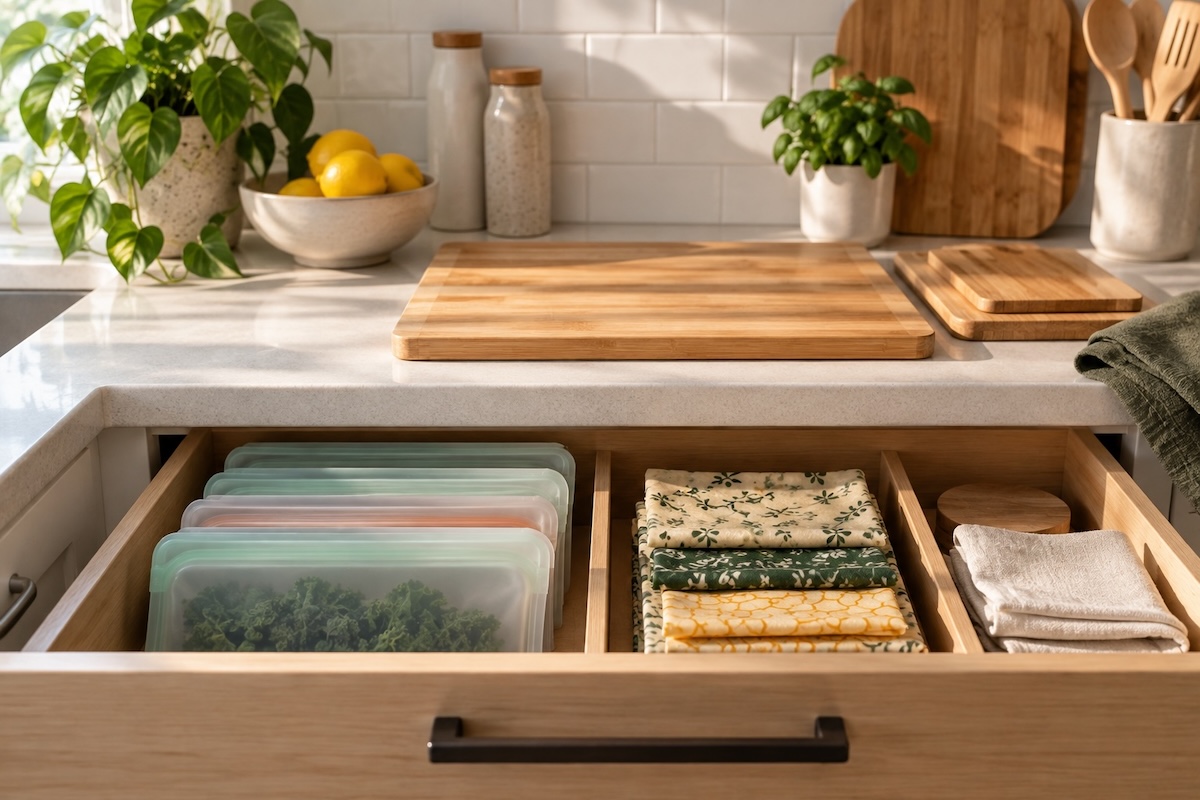
The kitchen is where waste is most visible, so shoppers are eager to green it up. These products replace single-use items with reusable, durable alternatives that people use every day.
Here are the strongest sellers in this category:
- Reusable beeswax food wraps that replace plastic wrap
- Bamboo utensil sets and cutting boards
- Silicone food storage bags that swap out zip-top plastic
- Stainless steel or glass straws with cleaning brushes
- Compostable sponges and dish scrubbers
Kitchen items are ideal because they are lightweight, affordable to ship, and easy to bundle. A "zero waste kitchen starter kit" makes a fantastic hero product with strong perceived value.
Eco-Friendly Personal Care Items

Personal care is a huge sustainability category because so many products are single-use. Shoppers are actively hunting for plastic-free swaps in their bathrooms and daily routines.
Top performers include:
- Bamboo toothbrushes and refillable floss
- Shampoo and conditioner bars with no plastic bottles
- Reusable makeup remover pads and cotton rounds
- Safety razors made from recyclable metal
- Natural loofahs and biodegradable body sponges
These items encourage repeat purchases since many are consumable. A customer who loves your shampoo bar will reorder, which builds predictable recurring revenue.
Reusable Everyday Essentials
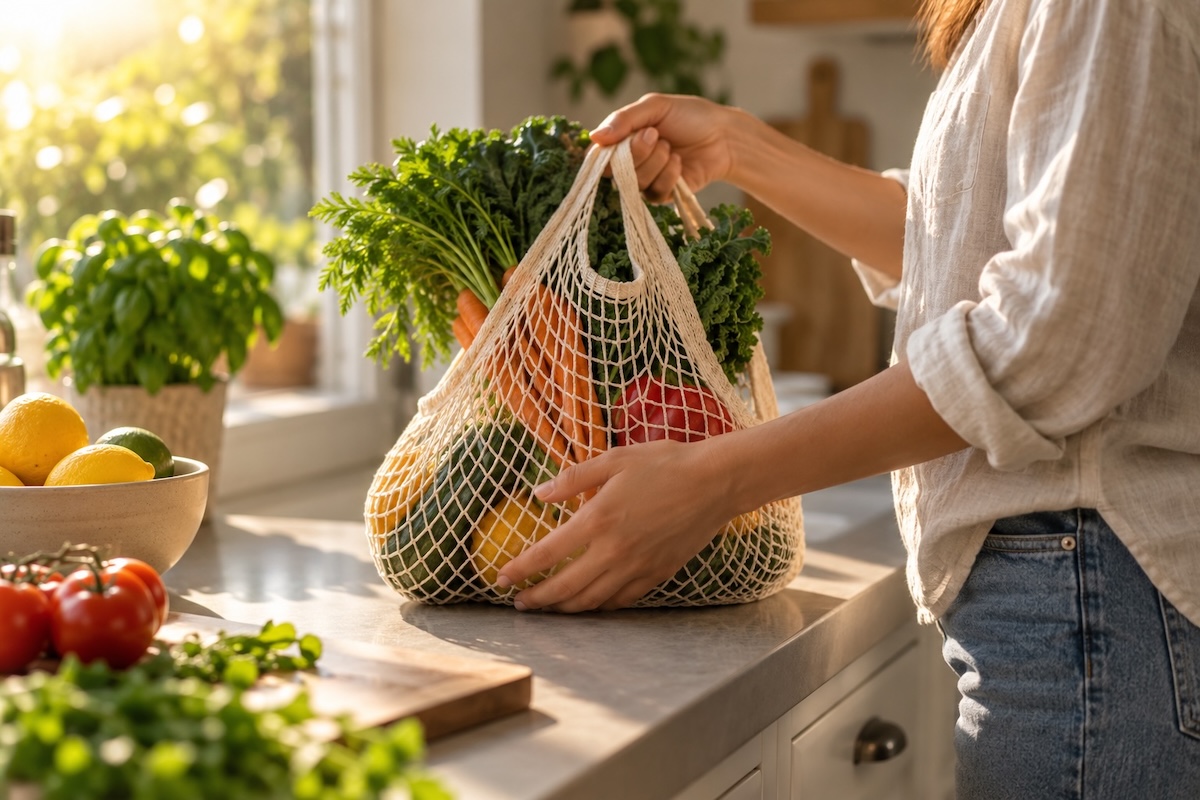
Some of the best eco-friendly dropshipping products are simple reusable versions of things people already carry. They are practical, visible, and easy to gift, which makes them scroll-stopping social content.
Strong sellers in this group:
- Insulated stainless steel water bottles
- Collapsible silicone coffee cups
- Organic cotton or mesh produce and grocery bags
- Reusable snack and sandwich bags
- Bamboo or recycled-material phone accessories
These essentials work beautifully for impulse buys and gifting seasons. Their everyday utility means customers see and use them constantly, which keeps your brand top of mind.
How to Source Quality Eco-Friendly Products
Selling sustainable products only works if the products are actually sustainable. Greenwashing, or slapping an "eco" label on low-quality goods, will destroy your brand fast. Sourcing is where trust is won or lost.
The safest path is to work with vetted suppliers who can verify materials and standards. Overseas mystery suppliers make sustainability claims hard to confirm, and slow shipping undercuts the premium experience your customers expect.
Let us look at where to find suppliers you can actually stand behind.
1. DropCommerce
.jpg)
DropCommerce is the leading platform for sourcing eco-friendly dropshipping products, connecting your store exclusively with pre-vetted US and Canadian suppliers. If you are serious about quality and sustainability, this is where to start.
Here is why it fits the green niche so well:
- Two to five day shipping from US and Canadian warehouses
- Pre-vetted suppliers with consistent quality standards
- No minimum order requirements, so you can test products risk-free
- Seamless Shopify and WooCommerce integration
- Real-time inventory syncing to prevent overselling
- A curated catalog spanning home, beauty, and lifestyle niches
DropCommerce works particularly well for store owners who want to compete on customer experience and values rather than racing to the bottom on price. Domestic suppliers also tend to have cleaner, more transparent supply chains, which is exactly what sustainability-focused shoppers want to see.
2. Vetting Suppliers Yourself
If you source outside a curated platform, do your homework. Ask for material certifications, check whether packaging is recyclable, and order samples before you list anything. Your reputation is on the line with every product.
Look for concrete proof rather than vague buzzwords. Terms like "eco" and "natural" mean nothing without backing. Certifications, recycled content percentages, and clear material lists are what separate real sustainable products from marketing fluff.
Sample everything. Holding a product in your hands tells you more than any listing photo. Quality inconsistencies are the fastest way to lose a values-driven customer, so never skip this step.
Marketing Your Eco-Friendly Store
Great products still need great marketing. The good news is that sustainability gives you a built-in story, and stories sell. Your job is to communicate your mission clearly and consistently.
Lead with the "why." Explain the problem your products solve, whether that is plastic waste, harmful chemicals, or throwaway culture. When customers understand the impact of their purchase, they buy with pride and share with others.
Authenticity is everything here. Values-driven shoppers can spot a fake instantly. Back up every claim, be transparent about your sourcing, and never overstate your impact.
Tell a Transparent Brand Story
Your brand story is your biggest asset in this niche. Share where products come from, what materials they use, and the difference each purchase makes. Put this front and center on your homepage and product pages.
Visuals matter too. Clean, natural product photography in real settings performs far better than sterile studio shots for eco brands. Show your products in use, in real homes and kitchens, to make the lifestyle feel attainable.
For a deeper dive on building a store that lasts, our guide to the most common dropshipping mistakes helps you avoid the pitfalls that make new stores forgettable.
Use Content and Social Proof
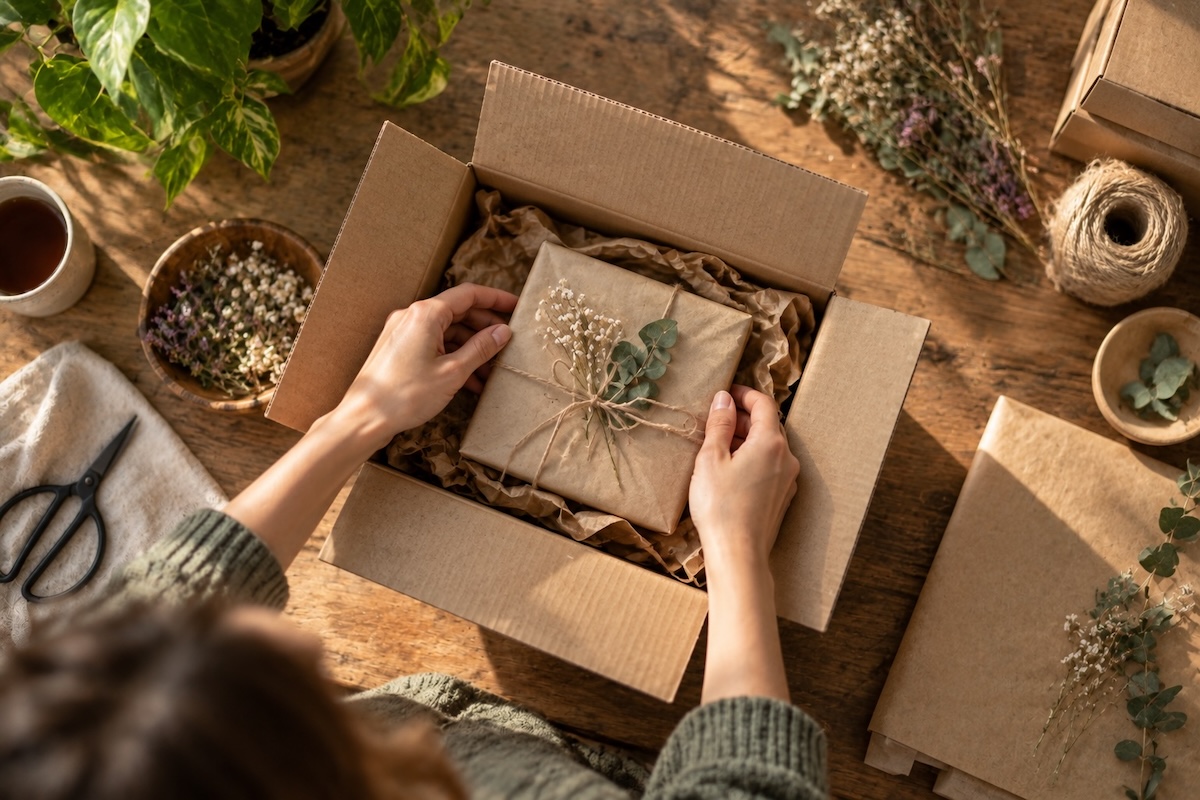
Sustainable products are naturally photogenic and shareable, which makes them perfect for organic social content. Short videos showing a plastic-free swap or a "zero waste haul" tend to travel far on platforms like TikTok and Instagram.
Reviews and user-generated content build trust quickly. Encourage customers to share photos of your products in their homes. This social proof reassures new buyers that your sustainability claims are real and that the products actually deliver.
According to the Environmental Protection Agency, reducing and reusing are the most effective ways to cut waste, which gives your content a credible, educational angle. Teaching customers how to live with less waste positions your brand as a helpful guide, not just a store.
Pricing and Profit in the Eco Niche
Sustainable shoppers accept higher prices, but you still need to price smartly. The goal is to reflect quality and values without pricing yourself out of the market. Find the sweet spot where margin and perceived value meet.
Bundle related products to raise your average order value. A "sustainable starter kit" feels like better value to the customer and boosts your revenue per sale. Bundles also simplify the buying decision, which lifts conversion.
Be transparent about why your products cost what they do. When customers understand they are paying for durable, ethically made goods with clean shipping, the price feels justified. For a full breakdown of setting numbers that work, see our guide on dropshipping profit margins.
Avoid the Race to the Bottom
The worst thing you can do in this niche is compete purely on price. There will always be a cheaper, lower-quality version somewhere. Chasing that game erodes both your margin and your brand.
Instead, compete on trust, quality, and experience. Fast domestic shipping, honest sourcing, and a clear mission are things budget sellers cannot easily copy. That is your moat.
Premium positioning also attracts better customers. People who buy on values complain less, return items less, and stay loyal longer. That combination is what makes a sustainable store genuinely sustainable as a business.
Who Buys Sustainable Products (And How to Reach Them)
Understanding your customer makes everything else easier. The sustainable shopper is not a single type of person, but a few clear groups show up again and again. Knowing them helps you write copy, pick products, and target ads that actually land.
The first group is the values-first buyer. They care deeply about the planet and will pay a premium for products that align with their beliefs. They read your mission statement, check your materials, and reward transparency with loyalty.
The second group is the convenience-driven buyer who wants a simple swap. They are not activists, but they will choose the greener option when it is easy and looks good. For them, packaging, design, and clear benefits matter as much as sustainability itself.
Where to Find These Customers

These shoppers cluster on visual, community-driven platforms. Instagram, Pinterest, and TikTok are goldmines for green products because sustainability content performs so well there. Short, honest videos of everyday swaps consistently outperform polished ads.
Content marketing also works exceptionally well for this niche. Blog posts, guides, and tips about reducing waste attract exactly the people who want your products. This builds trust before you ever ask for a sale, which is the whole game in a values-based market.
Do not overlook email either. Once a shopper buys into your mission, a simple newsletter about new products, restocks, and sustainability tips keeps them engaged and reordering. Values-driven customers love feeling like part of a movement, and email is where that relationship deepens.
Building a Long-Term Sustainable Brand

A green store is not a quick flip. It is a brand you can grow for years, and that long horizon is a feature, not a bug. The trust you build compounds, and each loyal customer makes the next one easier to win.
Start narrow and go deep. Owning one category, like a zero-waste kitchen or plastic-free bathroom, is far more powerful than being a generic eco store. A focused brand is memorable, easier to market, and simpler to source for. You can always expand once you dominate your first lane.
Reinvest in the experience as you grow. Better packaging, faster shipping, and genuine customer care turn first-time buyers into lifelong fans. In a niche built on trust, experience is your best growth engine, and it is one thing cheap competitors consistently get wrong.
Scaling Without Losing Your Values
As sales climb, the temptation to cut corners grows too. Resist it. The moment you swap quality for cheaper margins, your most loyal customers will notice and walk. Protecting your standards is protecting your brand.
Scale by adding complementary products your existing customers already want, not by chasing every trend. A customer who bought your beeswax wraps is a natural buyer for your reusable produce bags. Expanding within your niche keeps your brand coherent and your marketing efficient. Slow, values-aligned growth beats fast, hollow growth every time in this market.
Common Mistakes to Avoid
Even a promising green store can stumble on avoidable errors. Knowing the traps in advance saves you time, money, and reputation. Here are the big ones to watch.
The most damaging mistake is greenwashing. Making eco claims you cannot back up will eventually get exposed, and this audience is unforgiving about it. Only claim what is genuinely true and provable.
Keep an eye out for these pitfalls:
- Making vague sustainability claims with no proof
- Sourcing from unverified suppliers with slow shipping
- Using cheap plastic packaging on eco products
- Ignoring product samples before listing
- Competing on price instead of values and quality
Each of these undercuts the trust your niche depends on. Sidestep them and you protect the very thing that makes your store special.
Frequently Asked Questions
New sellers tend to ask the same practical questions before launching a green store. Here are clear answers to the most common ones.
Are Eco-Friendly Products Profitable to Dropship?
Yes, and often more profitable than generic items. Sustainable shoppers expect and accept higher prices, which supports healthier margins. Add strong loyalty and repeat purchases on consumables, and the numbers work well.
The key is sourcing quality products at a fair cost. When you avoid the race to the bottom and lead with real value, eco-friendly dropshipping products can outperform commodity niches on profit per customer.
What Sells Best in the Eco Niche?
Reusable everyday essentials and personal care swaps tend to lead. Water bottles, beeswax wraps, bamboo toothbrushes, and shampoo bars are consistent performers because they solve visible problems and encourage reorders.
Consumable items are especially valuable since they drive recurring revenue. A customer who loves your refillable product will keep coming back, which stabilizes your income over time.
How Do I Prove My Products Are Actually Sustainable?
Ask suppliers for certifications, material breakdowns, and recycling information, then share that proof with customers. Order samples to confirm quality firsthand. Transparency is your best tool for building trust in this niche.
Show, do not just tell. Photos of materials, clear packaging details, and honest sourcing stories reassure buyers far more than a generic "eco" badge ever could.
Key Takeaways on Eco-Friendly Dropshipping Products
Selling eco-friendly dropshipping products is one of the smartest moves you can make in 2026. Consumer demand is real and growing, margins are healthier than commodity niches, and values-driven customers stay loyal far longer than bargain hunters.
Start by picking a focused category, whether that is sustainable kitchen goods, personal care swaps, or reusable everyday essentials. Source from vetted suppliers with clean supply chains and fast shipping so your quality matches your claims. Then market with an authentic, transparent brand story that shows customers the real impact of their purchase.
Avoid greenwashing, skip the race to the bottom, and compete on trust and experience instead. Do that, and you build more than a store. You build a brand people are proud to buy from and eager to recommend. The green market is wide open, and shoppers are ready. Now is the time to claim your place in it.

.jpg)


