


f you've spent any time in dropshipping communities lately, you've probably noticed a shift. More and more store owners are choosing to dropship from USA not China, and they're not doing it out of patriotism. They're doing it because the math changed.
Twenty-day shipping windows that customers tolerated in 2018 now generate refund requests, chargebacks, and one-star reviews. Quality inconsistencies that used to be a cost of doing business now get your ad accounts flagged. Meanwhile, 61% of customers expect delivery in three days or fewer.
In this guide, we'll break down the nine proven advantages of sourcing domestically, when Chinese suppliers still make sense, and exactly how to make the switch without blowing up your store.
Why Dropship From USA Not China? The Short Answer
The core argument comes down to one idea: the cheapest product is not the same thing as the most profitable business.
Chinese suppliers, usually accessed through AliExpress or similar marketplaces, win on unit price. A phone case that costs $8 from a US warehouse might cost $2.50 from Shenzhen. On paper, that looks like an easy decision.
But unit price is only one line in your profit equation. Shipping speed, refund rates, chargeback fees, customer lifetime value, and ad account health all sit on the same spreadsheet. When you account for everything, domestic dropshipping often comes out ahead, especially for stores trying to build a real brand.
When you dropship from USA not China, you're trading a lower cost of goods for a dramatically better customer experience. And in 2026, customer experience is the only durable moat a dropshipping store has.
The Hidden Costs of Sourcing From China
Before we get to the advantages of US suppliers, it's worth understanding what overseas sourcing actually costs you. Most of these expenses never show up on a supplier invoice.
Slow shipping kills conversions and triggers refunds
Standard ePacket and economy shipping from China still takes anywhere from 10 to 25 days, and that's when nothing goes wrong. Customs delays, peak season backlogs, and carrier handoffs can stretch that even further.
Slow delivery doesn't just annoy people after they buy. It stops them from buying at all. Research from the Baymard Institute on cart abandonment consistently shows that slow or unclear delivery timelines are a top reason shoppers walk away at checkout.
Quality control happens after the customer complains
When your supplier is 7,000 miles away, you usually discover quality problems the same way your customers do: by opening the package. Inconsistent sizing, cheap materials, and products that don't match photos are common complaints with low-cost overseas sourcing.
Every quality miss becomes a support ticket, a refund, or a dispute. At scale, those add up fast.
Chargebacks and ad account bans
This is the cost that surprises new store owners the most. When customers wait three weeks for a product, many of them dispute the charge instead of emailing you. High dispute rates trigger payment processor holds and can get your Facebook or TikTok ad accounts restricted.
Plenty of stores running dropshipping without AliExpress made the switch for exactly this reason. Losing an ad account that took months to season costs far more than a few dollars of margin per unit.
US Suppliers vs Chinese Suppliers at a Glance

Before we go deeper, here's how the two sourcing options stack up across the factors that actually move your bottom line.
Shipping time: US suppliers typically deliver in 2 to 5 business days. Chinese suppliers average 10 to 25 days with standard shipping, and faster options eat most of the cost savings.
Unit cost: Chinese suppliers win here, often by 50 to 70%. This is their single biggest advantage, and for some products it's decisive.
Quality consistency: US suppliers operate under domestic consumer protection standards and are easier to vet with fast sample orders. Overseas quality varies widely between batches and between sellers.
Returns: Domestic returns are routine and recoverable. International returns are so impractical that most sellers simply refund and absorb the loss.
Customer trust: "Ships from the USA" lifts conversion rates, especially in sensitive categories like baby, pet, and skincare products.
Ad account safety: Faster delivery means fewer disputes, which keeps payment processors and ad platforms happy. Slow shipping is one of the most common reasons dropshipping ad accounts get restricted.
Best for: Chinese suppliers suit cheap product testing and ultra-low-ticket impulse buys. US suppliers suit brand building, premium positioning, and any store that depends on repeat customers.
If your goal is a quick test, overseas sourcing still has a place. If your goal is a business you'll still be running in three years, the comparison tilts heavily domestic.
9 Proven Advantages When You Dropship From USA Not China
Now for the upside. Here's what actually changes when you move your sourcing to American suppliers.
1. Shipping measured in days, not weeks
US suppliers ship domestically, which means standard delivery lands in two to five business days for most of the country. No customs. No international handoffs. No "your package has left the origin facility" messages for two straight weeks.
That speed does two things. It converts more visitors at checkout because you can promise fast delivery with a straight face. And it closes the gap between you and Amazon, which is the delivery standard every customer silently compares you against.
2. Fewer chargebacks and payment disputes
Fast delivery is the single best chargeback prevention strategy that exists. Customers dispute charges when they feel forgotten, and a package that arrives in three days doesn't give anyone time to feel forgotten.
Lower dispute rates protect your payment processor relationship, keep your reserve requirements down, and keep your ad accounts in good standing. These are boring benefits until you lose them. Then they're the only thing you think about.
3. Consistent, verifiable product quality
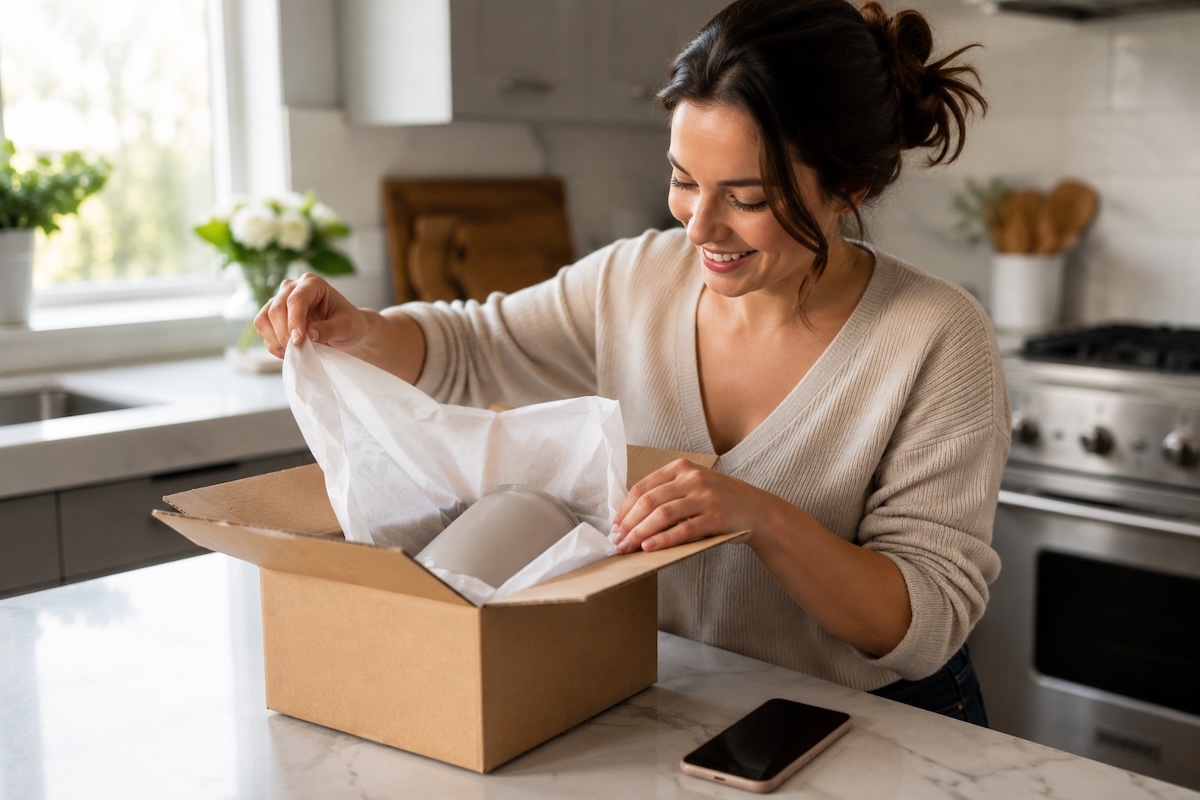
American suppliers operate under US consumer protection standards, and the good ones are used to working with brands that have reputations to protect. You can order samples that arrive in days instead of weeks, vet products quickly, and trust that unit 500 will match unit 5.
Platforms like DropCommerce take this further by pre-vetting every supplier before they're allowed on the platform, which removes most of the guesswork.
4. Returns that don't require an international shipping label
Returns from a US customer to a Chinese warehouse are so impractical that most overseas dropshippers just refund the money and abandon the product. That's a 100% loss on every return.
With domestic suppliers, returns travel a few hundred miles instead of across an ocean. Many US suppliers have established return processes, which means you can actually recover value from returned inventory instead of writing it off.
5. Stronger margins through premium positioning
This one sounds backwards, so stay with us. Yes, US products cost more per unit. But they also support premium pricing that overseas products can't.
Customers will pay more for fast shipping, quality guarantees, and US-made positioning. Stores that compete on experience instead of price routinely hold healthier dropshipping profit margins than stores racing to the bottom against a thousand identical AliExpress listings.
The race to the bottom has no finish line. Premium positioning does.
6. The trust signal of domestic sourcing
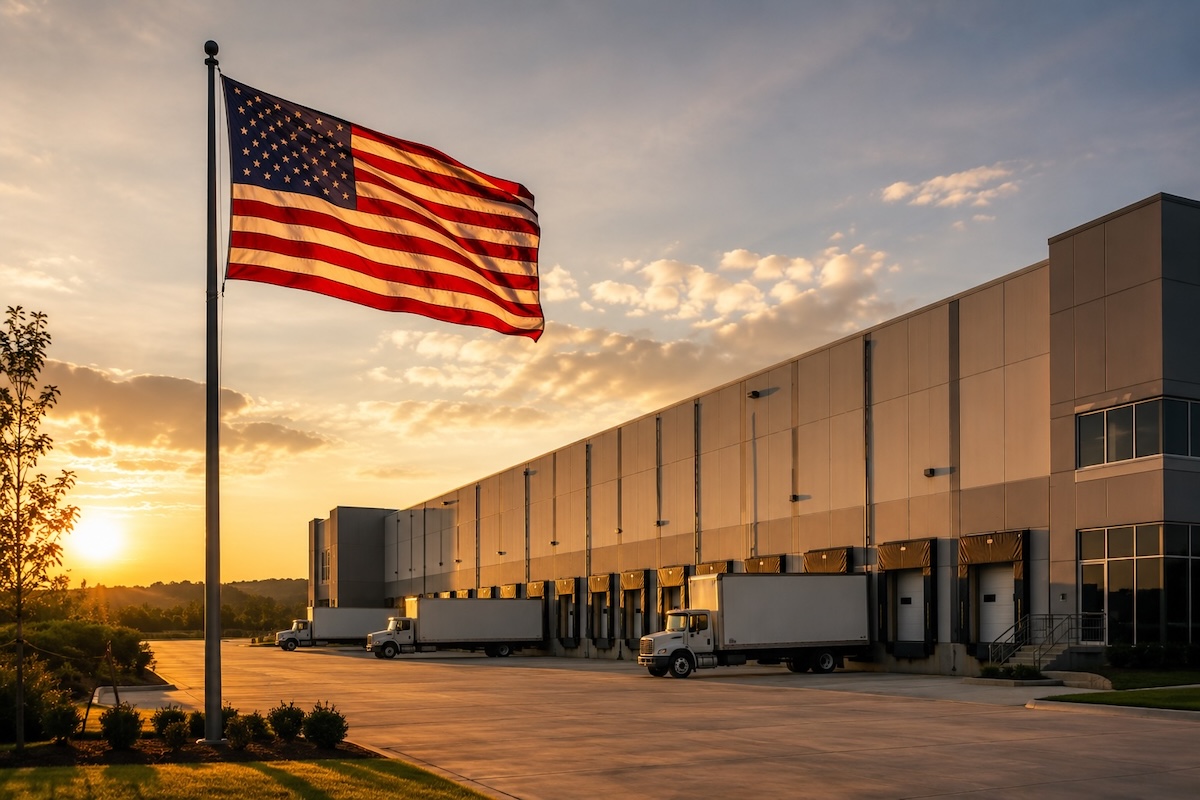
Around 70% of Americans say they prefer to buy domestically made products. "Ships from the USA" on a product page is a conversion asset, not just a logistics detail.
This trust effect is strongest in categories where customers are naturally cautious: baby products, pet supplies, skincare, supplements, and anything that touches food. If you sell in one of those niches, domestic sourcing isn't just an advantage. It's close to a requirement.
7. A supply chain that doesn't break every February
Overseas sourcing comes with predictable disruptions. Chinese New Year shuts down manufacturing for weeks every winter. Shipping container costs swing wildly. Tariff policy changes overnight and rewrites your cost structure with it.
Domestic supply chains aren't immune to problems, but they're shorter, simpler, and far more predictable. Fewer links in the chain means fewer things that can snap during Q4, which is exactly when you can least afford a snapped chain.
8. A real foundation for brand building
You cannot build a lasting brand on a product your customer can find cheaper on Temu with a 20-day wait. Brands are built on experiences, and the experience is mostly shipping speed, product quality, and how returns get handled.
When you source from US suppliers instead of overseas marketplaces, all three of those levers move in your favor at once. That's why nearly every dropshipping store that successfully transitioned into a real brand made domestic sourcing part of the playbook. Fast shipping earns the first review, consistent quality earns the second purchase, and painless returns earn the kind of loyalty that paid ads can't buy.
9. Suppliers you can actually talk to
Time zones matter more than people admit. When your supplier works while you sleep, every question takes 24 hours to resolve and every problem takes a week.
US suppliers respond during your business hours, communicate in fluent English, and can get on a phone call when something goes sideways. During the holiday rush, that responsiveness is the difference between a hiccup and a disaster.
When Chinese Suppliers Still Make Sense

Honesty time: overseas sourcing isn't always the wrong call, and pretending otherwise would be bad advice.
Chinese suppliers still make sense when you're testing a brand new product and want to validate demand before committing to higher unit costs. They make sense for ultra-low-ticket impulse products where customers genuinely don't care about delivery speed. And they make sense for product categories that simply aren't manufactured domestically at any reasonable price.
Some experienced store owners run a hybrid model: test with overseas suppliers, then move winning products to US suppliers once demand is proven. That approach captures cheap validation and premium fulfillment without marrying either one.
The mistake isn't using Chinese suppliers. The mistake is building your entire long-term business on infrastructure your customers hate.
How to Start Dropshipping From USA Not China
Convinced? Here's how to make the transition without disrupting your existing store.
Step 1: Audit your current catalog
Pull your sales data and identify your winners: the 20% of products driving 80% of revenue. These are the products where better fulfillment will have the biggest impact. Also flag your problem children, meaning any product with high refund or dispute rates. Those are usually shipping-time casualties.
Step 2: Find US suppliers for your niche
This is where supplier platforms earn their keep. A few options worth knowing:
DropCommerce is the leading platform for store owners who want to dropship from USA not China. Every supplier is based in the US or Canada, pre-vetted for quality, and ships in two to five days. There are no minimum order requirements, integration with Shopify takes minutes, and real-time inventory syncing prevents overselling. The catalog skews toward home, beauty, pet, and lifestyle products, which makes it a strong fit for brand-focused stores.

Niche-specific wholesalers can work if you have time to negotiate individual dropshipping arrangements, though vetting falls entirely on you.
Domestic print-on-demand providers cover the custom apparel and merch angle with US-based printing and fulfillment.
If you're still deciding what to sell, it helps to choose a dropshipping niche where domestic sourcing gives you the biggest edge, like pet, baby, or self-care products.
Step 3: Reprice for the new math
Don't port your old prices onto new products. Recalculate from scratch: new product cost, new shipping cost, expected refund rate (it will drop), and the premium your improved delivery promise supports. Most stores find they can raise prices 15 to 30% when they can credibly promise fast domestic shipping.
Step 4: Make fast shipping impossible to miss
Once you've earned the right to say it, say it everywhere. Add "Ships in 2-5 days from the USA" to product pages, announcement bars, checkout, and ad creative. You're paying for this advantage in your unit costs. Make sure it pays you back in conversion rate.
Common Questions About Dropshipping From the USA
Still weighing the decision? These are the questions store owners ask most often when they consider leaving overseas suppliers behind.
Is it more expensive to use US suppliers?
Per unit, yes. All-in, usually not. Higher product costs are offset by lower refund rates, fewer chargebacks, recoverable returns, cheaper domestic shipping, and the ability to charge premium prices. Run the numbers on total cost per order rather than cost per unit and the gap shrinks dramatically. For many stores it disappears entirely.
Can you still make good margins with American suppliers?
Absolutely, but the strategy changes. Instead of marking up a $3 product to $19.99 and praying your ad costs cooperate, you're selling a $12 product at $34.99 to a customer who values quality and speed. The percentage margin is often similar. The difference is that the second customer leaves a five-star review and comes back, which drops your average acquisition cost over time.
Which niches work best for US dropshipping?
Categories where trust and speed matter most: pet supplies, baby products, skincare and beauty, home goods, and gifts. Gift buyers in particular cannot tolerate three-week shipping, because the birthday doesn't move. Trust-sensitive categories convert noticeably better with domestic sourcing because customers worry about product safety standards.
Do customers actually check where products ship from?
More than ever. Shoppers have learned to recognize the signs of overseas dropshipping: long delivery estimates, generic product photos, and prices that look too good. Many will search the product image before buying. Domestic sourcing breaks that pattern, and stating your shipping origin clearly removes the suspicion that quietly kills conversions.
How do I know if a supplier is really US-based?
Ask where inventory is physically warehoused, not where the company is registered. Some "US suppliers" are registration shells that still fulfill from overseas. Order a sample and check the postmark and transit time. On a curated platform like DropCommerce, this verification is already done for you, since every supplier is confirmed to ship from US or Canadian warehouses before joining the catalog.
Final Thoughts: The Best Time to Switch Was Yesterday
The dropshipping stores winning in 2026 are not the ones with the cheapest products. They're the ones customers trust enough to buy from twice.
When you dropship from USA not China, you're buying speed, quality, and reliability, and those compound into reviews, repeat purchases, and a brand that's actually worth something. Global ecommerce keeps growing, with worldwide retail ecommerce sales projected in the trillions, but the share going to slow, generic stores shrinks every year.
Start small if you need to. Move one winning product to a US supplier, watch what happens to its refund rate and reviews, and let the data make the rest of the argument for you.

.jpg)


