


It is one of the first questions almost every new store owner asks, and the internet gives wildly different answers. So do you need an LLC for dropshipping, or is it a step you can safely skip when you are just getting started? The honest answer is that it depends on your goals, your risk tolerance, and how serious you are about building a real business. In this guide, we will cut through the confusion with 7 key facts, explain when an LLC actually matters, when you can wait, and how to make the right call for your situation. This is educational information, not legal advice, so treat it as a smart starting point.
What an LLC Actually Is
Before we answer whether you need one, let us make sure we are talking about the same thing. LLC stands for limited liability company. It is a legal business structure that separates you, the person, from your business, the entity.
That separation is the whole point. If your business runs into legal or financial trouble, an LLC helps protect your personal assets, like your savings, your car, and your home. Without it, you and your business are legally the same, which means your personal stuff is on the line.
An LLC is not the only option. Most people who skip it operate as a sole proprietor by default, which happens automatically the moment you start selling. There are also corporations, but those are usually overkill for a new dropshipping store.
Think of an LLC as a middle ground. It gives you real legal protection without the heavy paperwork and cost of a full corporation.
Do You Need an LLC for Dropshipping to Get Started?
Here is the truth that surprises a lot of beginners. You do not legally need an LLC to start dropshipping. You can open a store, connect a supplier, and make your first sale as a sole proprietor without registering anything.
This is actually good news if you are testing the waters. Many successful store owners started as sole proprietors, validated that people would buy, and only formed an LLC once they knew the business was real. There is no rule forcing you to spend money on paperwork before you have proven the concept.
So if you are asking do you need an LLC for dropshipping just to launch, the short answer is no. You can start lean, keep costs low, and upgrade later. Our guide on how to start dropshipping for free shows you how to launch without unnecessary expenses.
That said, "you can" and "you should" are two different questions. Let us look at when forming one is the smarter move.
The 7 Key Facts About LLCs and Dropshipping
To make a confident decision, you need the full picture. Here are the seven facts that matter most.
1. An LLC Protects Your Personal Assets
This is the number one reason people form an LLC. If a customer sues over a faulty product, or a supplier dispute turns ugly, an LLC creates a legal wall between the business and your personal finances.
As a sole proprietor, there is no wall. If the business owes money or loses a lawsuit, your personal assets can be pursued. For dropshippers who sell products they did not manufacture, this liability question is worth taking seriously.
2. You Can Start Without One

As we covered, you can legally operate as a sole proprietor from day one. This is the fastest, cheapest way to test whether your store idea works.
The tradeoff is that you carry all the risk personally. For a small test store making a few sales, that risk is often manageable. For a growing store handling real revenue, it becomes a bigger concern.
3. LLCs Cost Money to Form and Maintain
Forming an LLC is not free. Depending on your state, filing fees typically range from around 50 to 500 dollars, plus possible annual fees and reporting requirements.
This cost is part of why beginners wait. If you are not sure the business will last, spending hundreds on paperwork before your first sale may not make sense. Our breakdown of how much it costs to start dropshipping puts this expense in context with your other startup costs.
4. Taxes Work Differently With an LLC
By default, a single-member LLC is taxed like a sole proprietorship, so your business income flows onto your personal tax return. This is called pass-through taxation.
The difference is flexibility. As you grow, an LLC gives you options, like electing to be taxed as an S corporation, which can save money at higher income levels. According to the IRS, how your LLC is taxed depends on elections you make and how many members it has. Our dropshipping taxes guide breaks down what you owe either way.
5. An LLC Adds Credibility
There is a trust factor that is easy to overlook. Operating as an official LLC can make your store look more legitimate to suppliers, payment processors, and even customers.
Some suppliers and wholesale programs prefer or require a registered business. A business bank account, which is easier to open with an LLC, also keeps your finances clean and professional. That separation makes bookkeeping and tax time far less painful.
6. It Separates Your Business Finances

Even beyond liability, an LLC pushes you to keep business and personal money apart. You open a business bank account, run expenses through it, and suddenly your numbers are clear.
This separation matters more than people expect. Mixing personal and business funds, called commingling, can actually weaken the legal protection an LLC provides. Clean books also make it obvious whether your store is truly profitable.
7. You Can Form One Later
Perhaps the most reassuring fact is that this is not a now-or-never decision. You can start as a sole proprietor and form an LLC the moment your business gains traction.
Many store owners do exactly this. They launch, prove the concept, and then formalize once the revenue justifies it. Waiting does not lock you out of protection later.
When You Should Form an LLC
So when does it make sense to stop waiting? A few clear signals suggest it is time to formalize your business.
If your store is consistently making sales and generating real revenue, an LLC starts to pay for itself in protection and credibility. If you are selling products that carry any safety or liability risk, like electronics, supplements, or items for children, the protection becomes far more important.
You should also consider one if you are investing serious money into ads and inventory-free scaling, or if you plan to bring on a partner. The more you have to lose, the more that legal wall is worth. Before you scale, our list of questions to answer before dropshipping helps you think through the bigger picture.
Higher-Risk Products Change the Math
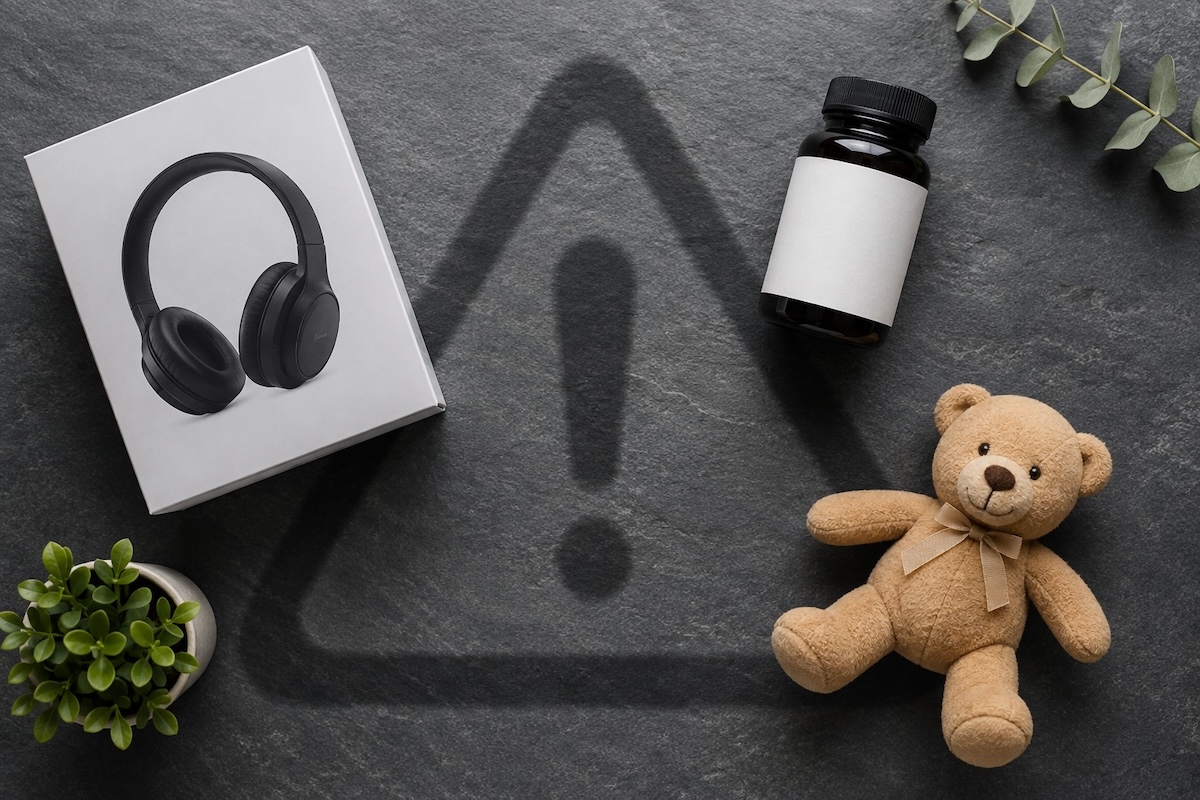
Not all products carry the same risk. Selling phone cases is very different from selling baby gear or anything that touches the body.
If a product could hurt someone or fail in a costly way, the liability protection of an LLC is no longer optional in most owners' eyes. Match your structure to the risk you are actually taking on.
When You Can Safely Wait
On the flip side, there are plenty of situations where waiting is perfectly reasonable. If you are still testing whether anyone will buy, spending money on an LLC before your first sale can be premature.
If you are selling low-risk products in small volumes, operating as a sole proprietor while you validate the idea is a common and sensible approach. The key is to be intentional about it, not just to ignore the question.
Waiting is a strategy, not negligence, as long as you plan to formalize once the business proves itself. The goal is to avoid spending on structure before you have a business worth structuring.
Keep Good Records From Day One
Even if you wait on the LLC, do not wait on your bookkeeping. Track every sale and expense from your very first order.
Good records make the eventual switch to an LLC smooth, and they keep you ready for tax season. A simple spreadsheet is enough when you are starting out. This habit also tells you whether your store is genuinely worth formalizing.
LLC vs Sole Proprietorship at a Glance
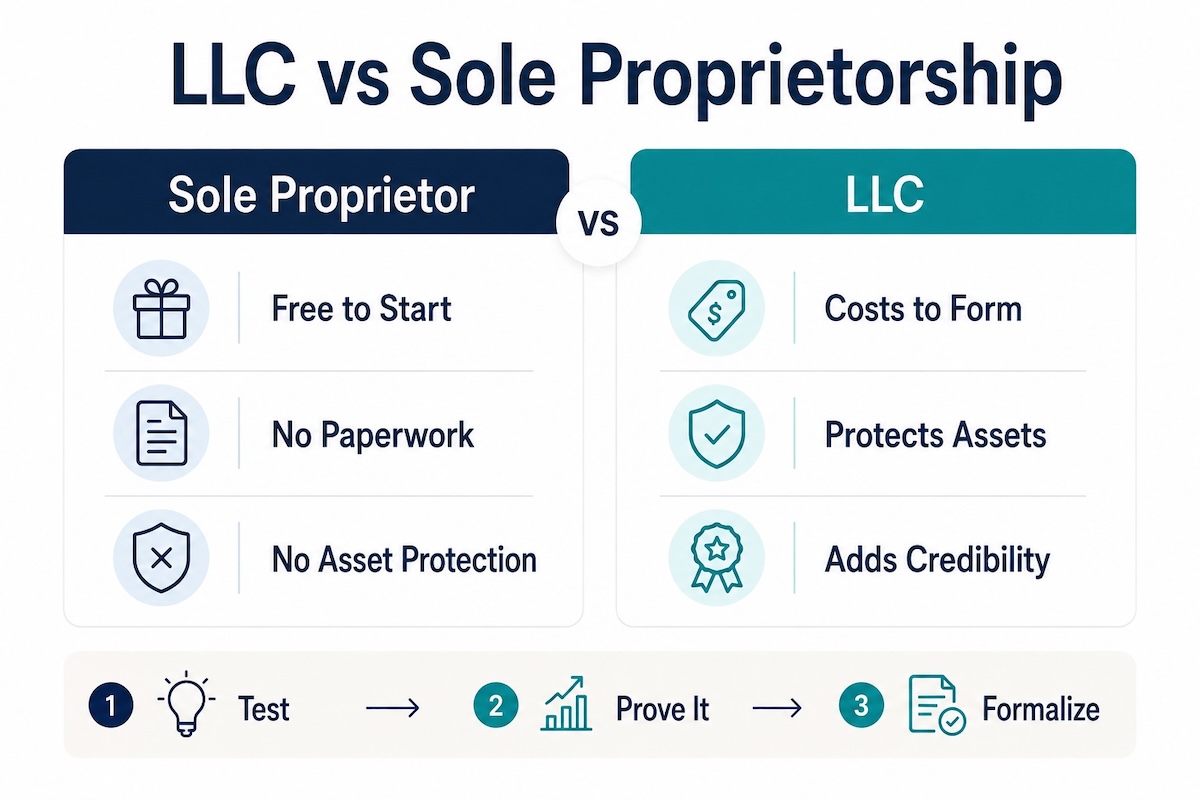
Let us put the two most common options side by side so the choice is clear.
Sole proprietorship: No formation cost and no paperwork to start, since it is automatic. The downside is zero liability protection, so your personal assets are exposed. Best for testing ideas and very small, low-risk stores.
LLC: Costs money to form and maintain and requires filing with your state. In return, it protects your personal assets, adds credibility, and separates your finances. Best for stores generating real revenue or selling higher-risk products.
The right pick depends on where you are in your journey. Neither is universally correct. The question is which one fits your current stage and risk level.
Steps to Form an LLC for Dropshipping
If you decide an LLC is right for you, the process is more approachable than it sounds. According to the U.S. Small Business Administration, the basic steps are consistent across most states.
First, choose the state where you will register, usually your home state. Then pick a unique business name that follows your state's rules. Next, file the articles of organization with your state and pay the filing fee. Finally, get an EIN from the IRS, which is free, and open a business bank account.
Many owners also create an operating agreement, even for a single-member LLC, to spell out how the business runs. You can handle the whole process yourself or use an affordable formation service if you prefer a guided path.
Do Not Overcomplicate It
It is easy to fall down a rabbit hole of legal worry and never actually launch. Do not let the paperwork paralyze you.
Whether you form an LLC now or start as a sole proprietor and upgrade later, the most important step is to begin. A structure protects a business, but only a business that exists is worth protecting.
Common Myths About LLCs and Dropshipping
A lot of the confusion around this topic comes from myths that get repeated online. Let us clear up the big ones so you can decide with a clear head.
The first myth is that you cannot legally dropship without an LLC. That is false. You can operate as a sole proprietor, and plenty of people do. The question of whether you need an LLC for dropshipping is about protection and strategy, not legality.
The second myth is that an LLC makes you invincible in a lawsuit. It does not. An LLC protects your personal assets in many situations, but it will not shield you from your own fraud or gross negligence. It is a strong tool, not a magic shield.
The third myth is that forming an LLC is impossibly complicated. In reality, most single-member LLCs can be set up in an afternoon, either directly through your state or with a low-cost service. The paperwork is lighter than most people fear.
The fourth myth is that an LLC automatically saves you money on taxes. On its own, a single-member LLC is taxed just like a sole proprietorship. Tax savings usually come later, from specific elections you make as your income grows, not from the LLC itself.
Separate the Legal Question From the Money Question
People often blur two different questions together. One is whether dropshipping is legal without an LLC, and the other is whether an LLC is a smart financial move for you.
Keeping these separate makes the decision easier. Legality is settled: you can start without one. The real choice is about weighing the cost of forming an LLC against the protection and credibility it brings at your stage.
Does Your Location Change the Answer?
Where you live shapes the details, even though the core idea stays the same. In the United States, LLCs are formed at the state level, so your fees, rules, and annual requirements depend on your state.
Outside the US, the LLC label may not exist in the same form, but the underlying question does. Most countries offer some version of a limited liability structure alongside a simpler sole trader option. The tradeoffs, protection versus cost and paperwork, tend to look familiar no matter where you are.
The takeaway is to check your local rules before deciding. So when you ask do you need an LLC for dropshipping, remember that the best answer for a seller in Texas may differ from the best answer for a seller in another state or country.
When to Talk to a Professional

For a small test store, you can usually make this call on your own. Once real money, partners, or higher-risk products enter the picture, a short conversation with an accountant or lawyer is worth every penny.
A professional can look at your specific situation, your revenue, your products, and your goals, and give you tailored guidance. This article gives you the framework, but a pro gives you the personalized answer.
How to Decide Right Now
If you want a simple way to make the call today, run through a few quick questions. They will point you toward the right choice for your stage without endless second-guessing.
Are you still testing whether anyone will buy? If yes, start lean as a sole proprietor and keep your costs near zero. Are you already making steady sales? If yes, an official structure starts to earn its keep in protection and credibility.
Do your products carry real safety or liability risk? If yes, lean toward forming a company sooner rather than later. Are you bringing on a partner or investing heavily in growth? If yes, formalize before the stakes climb any higher.
Notice that none of these questions are about whether you are allowed to start. They are about matching your structure to your risk and your ambition. That is the practical heart of the whole debate, and it is a decision only you can make for your own store.
The best move is rarely to overthink it. Pick the option that fits where you are today, keep clean records, and revisit the choice as your revenue grows. Your structure should evolve with your business, not freeze at whatever you chose on day one.
Final Thoughts
So, do you need an LLC for dropshipping? Not to get started, but often yes once you are serious. The smart approach for many people is to launch lean as a sole proprietor, prove the concept, and form an LLC as soon as the revenue and risk justify it.
The right answer comes down to your stage and your comfort with risk. If you are testing a low-risk idea, waiting is fine. If you are generating real sales or selling products that carry liability, the protection and credibility of an LLC are well worth the cost.
Whatever you choose, do not let the legal question stop you from starting. Make an intentional decision, keep clean records, and revisit the structure as your store grows. Remember, this is general education, so consult a qualified professional for advice on your specific situation. We're not lawyers, and this is not legal advice.

.jpg)


