


he difference between a thriving dropshipping store and a struggling one often comes down to one factor: where your products ship from. US warehouse dropshipping has emerged as the preferred fulfillment model for store owners who want to compete with major retailers and keep customers coming back.
This approach means working with suppliers who stock and ship products from warehouses located within the United States. Instead of waiting for packages to cross oceans from China or other overseas locations, your customers receive their orders in days. The shift in customer experience is dramatic, and it's driving a fundamental change in how successful dropshipping businesses operate.
In this guide, we'll explore exactly what US warehouse dropshipping involves, why it matters more than ever in 2026, and how you can leverage domestic fulfillment to build a more profitable and sustainable ecommerce business.
What Is US Warehouse Dropshipping?
US warehouse dropshipping is a fulfillment model where your supplier stores inventory in American facilities and ships orders domestically to your customers. You still operate as a dropshipper, meaning you don't hold inventory yourself. The key distinction is the geographic location of the warehouse handling your orders.
When a customer places an order on your store, that order routes to a US-based warehouse. Staff there pick the product, pack it appropriately, and hand it to a domestic carrier like USPS, UPS, or FedEx. The package travels through American logistics networks and reaches your customer within two to five business days.
This stands in stark contrast to traditional overseas dropshipping, where products ship from China or other distant manufacturing hubs. Those shipments travel by air or sea freight, clear customs, and then enter domestic shipping networks. The process typically takes 15 to 45 days, and sometimes longer during peak seasons or supply chain disruptions.
The mechanics of running your business remain similar either way. You list products, market your store, process orders, and handle customer service. But the fulfillment experience your customers receive differs enormously.
Why US Warehouse Dropshipping Matters Now

Customer expectations have shifted permanently. According to McKinsey research on logistics, same-day and next-day delivery options have fundamentally changed what shoppers consider acceptable wait times. When Amazon delivers in two days and local stores offer curbside pickup, a three-week shipping estimate feels unacceptable.
This shift affects more than just cart completion rates. It influences whether customers trust your brand, leave positive reviews, and return for future purchases. Every aspect of customer lifetime value connects to delivery experience.
The numbers tell a clear story. Studies consistently show that 48% of online buyers abandon carts due to slow shipping, and 61% expect delivery within three days. Stores using US warehouse dropshipping meet these expectations naturally, while stores relying on overseas fulfillment fight an uphill battle with every transaction.
The 8 Essential Benefits of US Warehouse Dropshipping
Understanding why this model works requires examining its advantages systematically. Here are eight benefits that make US warehouse dropshipping increasingly attractive.
1. Delivery Times That Match Customer Expectations
The most immediate advantage is shipping speed. Products leaving US warehouses reach American customers in two to five business days using standard ground shipping. Many orders arrive even faster, especially for customers located near major distribution hubs.
This speed changes the entire customer experience. Buyers place orders with confidence instead of hesitation. They don't need to plan weeks ahead or wonder if their purchase will actually arrive. The transaction feels normal rather than risky.
Fast delivery also reduces the emotional distance between purchasing and receiving. When products arrive while the excitement of buying is still fresh, customers associate positive feelings with your brand. When products arrive weeks later, the initial enthusiasm has faded, and any issue feels more frustrating.
For strategies on boosting your store's conversion rate, shipping speed should be among your first optimization priorities.
2. Dramatically Reduced Customer Service Burden

Long shipping times generate customer service inquiries. People want to know where their packages are, when they'll arrive, and whether something went wrong. Each inquiry costs time and energy, and the emotional tone often skews negative.
US warehouse dropshipping drastically reduces these inquiries. When packages arrive within a week, customers rarely have time to become anxious. Tracking updates show steady progress through domestic networks rather than long gaps while packages cross oceans.
This reduction matters more than many store owners initially realize. Customer service time is expensive, whether you're handling it yourself or paying someone else. Every hour spent reassuring worried customers is an hour not spent on marketing, product sourcing, or strategic improvements.
3. Higher Quality and Consistency
US warehouses typically maintain stricter quality control standards than their overseas counterparts. Products stored domestically must meet American safety regulations. Warehousing facilities operate under domestic oversight. The entire supply chain involves fewer handoffs and potential failure points.
Quality consistency matters enormously for reviews and reputation. Variable quality from overseas suppliers means some customers receive excellent products while others receive substandard versions. The negative reviews from disappointed customers damage your store's credibility even when most orders go well.
Domestic suppliers have stronger incentives to maintain quality. Their reputation in the American market depends on consistent performance. They're subject to domestic legal recourse if products cause problems. The structural incentives align with your interests as a store owner.
4. Simplified Returns Processing
Returns are inevitable in ecommerce. The question isn't whether you'll have returns, but how efficiently you can handle them.
Overseas returns create nightmare scenarios. Shipping products back to China often costs more than the items themselves. Many store owners simply refund customers without requesting returns, absorbing complete losses. Others try to negotiate partial refunds, damaging customer relationships in the process.
US warehouse dropshipping makes returns manageable. Customers ship items to domestic addresses at reasonable costs. Your supplier receives and inspects returns within days. The process follows familiar domestic patterns that both you and your customers understand.
For comprehensive guidance on handling these situations, check out our guide to dropshipping returns and refunds.
5. Better Actual Profit Margins

The math of profitability often surprises new dropshippers. Overseas products cost less per unit, so margins should be higher, right? In practice, the opposite frequently occurs.
Consider the hidden costs of overseas fulfillment:
- Chargebacks from frustrated customers who dispute charges after long waits
- Full refunds without returned products because international returns aren't practical
- Customer service labor handling shipping inquiries and complaints
- Lost repeat customers who had poor experiences
- Negative reviews that reduce conversion rates on future traffic
When you calculate true net margin including all these factors, US warehouse dropshipping often outperforms overseas alternatives. You might pay more per unit but keep more profit per transaction.
Understanding your real dropshipping profit margins requires honest accounting of all costs, not just product price.
6. Supply Chain Resilience
The past few years demonstrated how fragile international supply chains can be. Container shipping costs spiked to unprecedented levels. Port congestion created weeks of delays. Trade policy shifts disrupted established supplier relationships.
US warehouse dropshipping reduces exposure to these international disruptions. Domestic supply chains face challenges too, but they're generally more stable and predictable. You're not dependent on transoceanic shipping schedules, customs clearance processes, or international trade negotiations.
Building a resilient business means reducing unnecessary dependencies on factors you can't control. Domestic fulfillment removes several major variables from your risk equation.
7. Real Communication With Your Partners
Working effectively with suppliers requires communication. Questions arise about inventory levels, product specifications, order issues, and countless other details. Resolving these questions quickly keeps your business running smoothly.
Overseas suppliers present communication challenges. Time zone differences mean your urgent question might wait 12 hours for a response. Language barriers create misunderstandings that compound across multiple exchanges. Cultural differences in business communication add another layer of complexity.
US-based warehouse partners operate in your time zone. You can call them during business hours and speak with someone who shares your language and business context. Emails receive same-day responses. Problems get resolved in hours rather than days.
8. Environmental and Values Alignment

Growing numbers of consumers care about the environmental impact of their purchases. International shipping generates significant carbon emissions. Products crossing oceans contribute to environmental degradation that many customers want to avoid.
US warehouse dropshipping reduces the carbon footprint of each delivery. Shorter shipping distances mean less fuel consumed and fewer emissions generated. For customers who prioritize sustainability, this becomes a genuine selling point.
Beyond environmental concerns, domestic sourcing aligns with values around supporting American businesses and workers. A meaningful segment of consumers actively prefers buying from companies that keep their supply chains closer to home.
How US Warehouse Dropshipping Works in Practice
Understanding the benefits is important. Knowing how to actually implement this model is essential.
Finding Domestic Warehouse Partners
Your first task is identifying suppliers who operate US warehouses and offer dropshipping arrangements. Several approaches work:
Dropshipping platforms: Services like DropCommerce connect store owners directly with vetted US and Canadian suppliers. These platforms handle supplier relationships, store integration, and ongoing communication. For most beginners, this offers the fastest path to domestic fulfillment.
Direct manufacturer outreach: Some store owners contact American manufacturers and distributors directly to establish dropshipping relationships. This requires more effort but can yield exclusive products and favorable terms.
Wholesale directories: Various directories list domestic suppliers, though not all offer dropshipping. You'll need to contact suppliers individually to verify dropshipping availability and terms.
Trade shows and industry events: Meeting suppliers in person builds relationships that often lead to better arrangements than cold outreach.
Integrating With Your Store
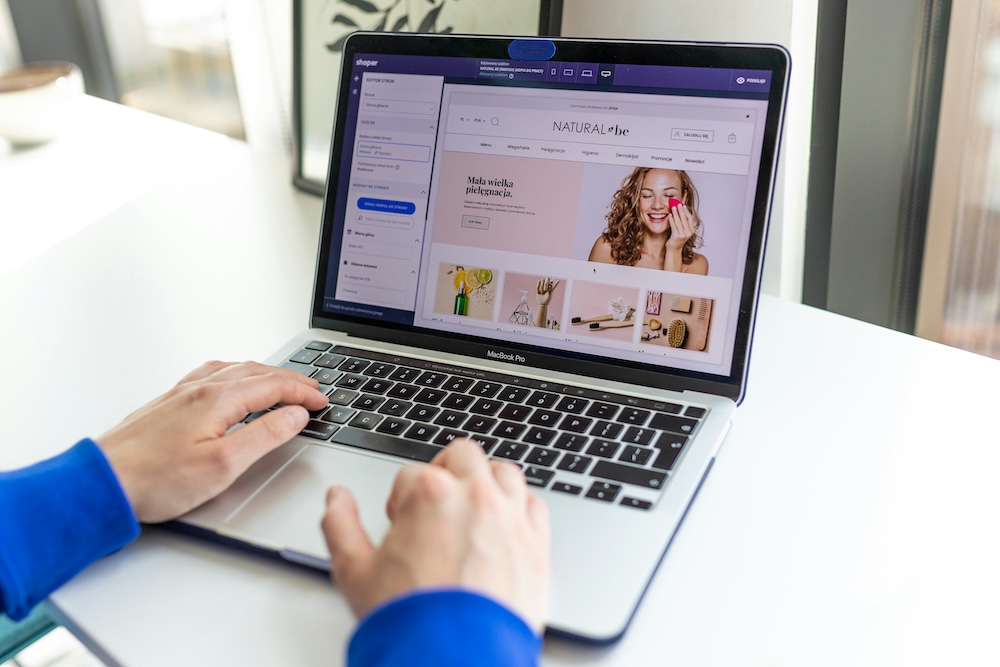
Once you've identified suppliers, technical integration connects their inventory to your store. Most US warehouse suppliers offer integrations with major ecommerce platforms like Shopify and WooCommerce.
Proper integration provides:
- Automatic product listing from supplier catalogs
- Real-time inventory synchronization to prevent overselling
- Order routing that sends customer purchases to suppliers automatically
- Tracking information that updates customers on delivery status
The goal is seamless operation where orders flow from customers through your store to suppliers without manual intervention for routine transactions.
Setting Customer Expectations
US warehouse dropshipping enables promises you couldn't make with overseas fulfillment. Use this advantage throughout your customer experience:
Product pages: Display clear shipping estimates showing two to five day deliveryCheckout: Reinforce fast shipping as customers complete purchasesConfirmation emails: Remind customers when to expect deliveryShipping notifications: Provide tracking that shows domestic progress
These touchpoints build confidence and reduce anxiety. Customers who understand what to expect report higher satisfaction even when occasional delays occur.
Comparing Fulfillment Approaches
Shipping Time: US warehouse dropshipping delivers in 2-5 days, while overseas dropshipping typically takes 15-45 days.
Shipping Cost to Customer: Domestic fulfillment uses standard domestic rates. Overseas shipping often costs more or requires subsidizing to appear competitive.
Product Cost: US-sourced products typically cost more per unit. Overseas products typically cost less.
Quality Consistency: Domestic suppliers offer more reliable quality.Overseas quality varies significantly between orders.
Return Handling: US warehouses follow standard domestic return processes.Overseas returns are often impractical due to shipping costs and logistics.
Communication: Working with US partners means same time zone and same language. Overseas suppliers present significant communication barriers.
Supply Chain Risk: Domestic supply chains carry lower risk. International supply chains face higher risk from shipping delays, customs issues, and trade disruptions.
Environmental Impact: Shorter domestic shipping distances mean lower emissions. Transoceanic shipping generates higher carbon footprint.
The comparison reveals that US warehouse dropshipping trades higher product costs for advantages across nearly every other dimension. For businesses focused on customer experience and long-term sustainability, domestic fulfillment typically makes sense.
Common Concerns Addressed
Several questions come up repeatedly when store owners consider switching to US warehouse dropshipping.
Are There Enough Product Options?

The domestic dropshipping ecosystem has grown substantially. Platforms connecting store owners with US suppliers offer thousands of products across major categories including home goods, beauty and skincare, pet supplies, health and wellness, fashion, and outdoor products.
You'll have fewer total options than browsing AliExpress, but you'll have plenty to build a successful store. Quality and reliability matter more than quantity for most business models.
Can I Still Be Price Competitive?
You probably shouldn't compete primarily on price. That's a race to the bottom that overseas suppliers will always win. Instead, compete on value: fast shipping, quality products, responsive service, and trustworthy brand experience.
Customers willing to pay slightly more for better experience are more profitable anyway. They return more often, leave better reviews, and generate word-of-mouth referrals. Price-sensitive bargain hunters often become one-time customers regardless of their experience.
What About Products Only Available Overseas?
Some products genuinely only have overseas sources. If your business model depends on specific items without domestic alternatives, a hybrid approach might work. Use US warehouse dropshipping for core products and overseas sourcing only where necessary.
However, consider whether products without domestic alternatives truly serve your business best. The operational complexity of mixed fulfillment adds costs and complications. Sometimes focusing on domestically available products creates a simpler, more profitable operation.
How Do I Transition an Existing Store?
If you currently use overseas suppliers, transitioning to US warehouse dropshipping can happen gradually. Start by identifying which products have domestic alternatives. Test those products alongside your existing catalog. As you confirm domestic sourcing works, shift more of your catalog over time.
This gradual approach lets you validate the model without disrupting your current revenue. Many store owners find that domestic products outperform expectations, accelerating their transition.
Getting Started With US Warehouse Dropshipping
Ready to explore domestic fulfillment? Here's a practical path forward.
Step 1: Evaluate Your Current Situation
If you already have a store, analyze your current fulfillment performance. Look at shipping-related complaints, return rates, and customer feedback mentioning delivery. This baseline helps you measure improvement after transitioning.
If you're starting fresh, you have the advantage of building with domestic fulfillment from the beginning. No transition required.
Step 2: Research Supplier Options
Explore platforms that connect you with US warehouse suppliers. Look for suppliers carrying products in your target niche with good reviews from other store owners. Pay attention to integration quality, communication responsiveness, and stated shipping times.
Step 3: Test Before Committing
Place sample orders to experience fulfillment as a customer would. Note shipping speed, packaging quality, and product condition. This firsthand experience reveals more than any supplier claims or other store owners' reviews.
Step 4: Integrate and Launch
Once you've validated suppliers, integrate their products into your store. Start with a focused product selection rather than listing everything available. Quality curation performs better than overwhelming quantity.
Step 5: Emphasize Your Advantage
Make fast shipping visible throughout your customer experience. This is a competitive advantage; don't hide it. Customers increasingly seek stores that can deliver quickly, and you can meet that need.
The Future of Fulfillment
Several trends suggest US warehouse dropshipping will become increasingly important:
Customer expectations continue rising: As same-day delivery becomes more common, tolerance for long waits decreases further.
Supply chain localization accelerates: Businesses across industries are reducing international dependencies, creating more domestic fulfillment options.
Environmental concerns grow: Carbon-conscious consumers increasingly prefer local shipping options.
Quality differentiation matters more: As markets mature, competing on experience beats competing on price.
Store owners who establish strong US warehouse relationships now position themselves well for these evolving conditions.
Building a Better Business

US warehouse dropshipping isn't just about faster shipping. It's about building a fundamentally different kind of ecommerce business. One where customers receive great experiences, operations run smoothly, and profitability comes from value rather than volume.
DropCommerce connects you directly with vetted US and Canadian suppliers who ship from domestic warehouses. That means 2-5 day delivery for your customers, real-time inventory sync to prevent overselling, and a curated catalog of quality products across home, beauty, pet, and lifestyle categories.
No minimum orders. Seamless Shopify and WooCommerce integration. A support team in your time zone who actually picks up the phone.
Your customers deserve fast delivery and quality products. Your business deserves sustainable margins and manageable operations. Start your free trial with DropCommerce and see what US warehouse dropshipping can do for your store.

.jpg)


