


ost new store owners think they have to pick a side. Either you buy inventory and store it yourself, or you dropship every single order. But the smartest ecommerce operators in 2026 are doing something different. They are using hybrid dropshipping to combine the best parts of both models.
Hybrid dropshipping lets you stock a small amount of your bestsellers while dropshipping the rest of your catalog. You get faster shipping on your winners, better margins where it counts, and none of the inventory risk on unproven products. This guide walks you through exactly how this model works, who it fits, and how to start running it in your own store.
What Is Hybrid Dropshipping?
Hybrid dropshipping is a business model where you hold physical inventory for some of your products while dropshipping the rest. You become part retailer, part dropshipper, depending on which product a customer buys. It is one of the most flexible approaches in ecommerce today.
The idea is simple. You take your top ten or twenty bestsellers and buy them in bulk from a supplier. Those items ship out of your home, a small warehouse, or a third-party logistics provider. Meanwhile, your long tail of products still ships directly from dropshipping suppliers. Your store looks the same to customers, but the backend runs two different fulfillment tracks.
How It Differs From Pure Dropshipping
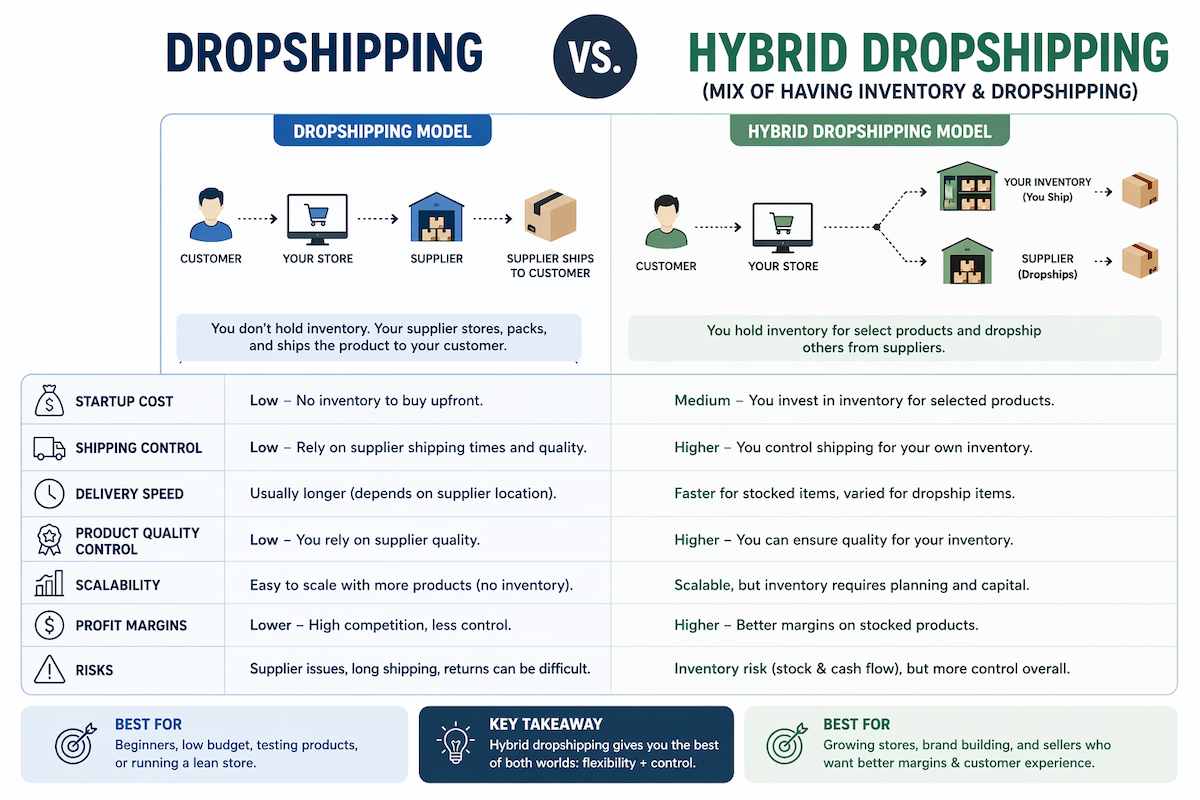
Pure dropshipping means zero inventory. Every order flows from the customer to your store to your supplier, and the supplier ships it out. You never touch a product. It is capital-light but it comes with real trade-offs like slower shipping, lower margins, and less control.
The hybrid approach changes that equation for your top products. When you hold inventory on your bestsellers, you control shipping speed, packaging, and the unboxing experience. You also buy those items at wholesale prices, which lifts your margins by fifteen to thirty percent on those specific SKUs.
How It Differs From Traditional Wholesale
Traditional wholesale means buying everything in bulk. You commit cash to a full catalog upfront, which is risky if some products do not sell. You also need storage space and fulfillment staff.
The blended model only commits your capital to proven winners. You get wholesale economics on a small set of validated products while the rest of your store stays capital-light. That balance is what makes this approach so appealing for stores that have moved past the experimentation stage.
Why This Model Is Gaining Momentum in 2026
Customer expectations have shifted. Shoppers now expect delivery in three days or fewer, and forty-eight percent abandon carts because of slow shipping. At the same time, ad costs keep climbing, which makes every order more expensive to acquire. Store owners need better margins and faster fulfillment to stay profitable.
The hybrid dropshipping model answers both pressures at once. By stocking bestsellers, you can promise two or three day delivery on the products that drive most of your revenue. By dropshipping the rest, you keep your catalog broad without draining your bank account. This is why the smart operators are moving toward a combined approach.
The Pareto Principle In Action
You have probably heard of the eighty twenty rule. In most stores, twenty percent of products drive eighty percent of revenue. That pattern is exactly what makes this model work so well. You only need to hold inventory on that top twenty percent to see most of the benefits. The long tail keeps running on dropshipping.
This means you do not need a warehouse. You do not need a huge upfront investment. You just need to identify your winners, buy them in reasonable quantities, and set up the logistics to ship them quickly. For many store owners, the top products fit into a spare bedroom or a rented storage unit.
The 7 Proven Benefits of Hybrid Dropshipping
Once you understand the structure, the advantages become obvious. Here are the seven biggest wins that make this model worth considering.
1. Faster Shipping On Your Bestsellers
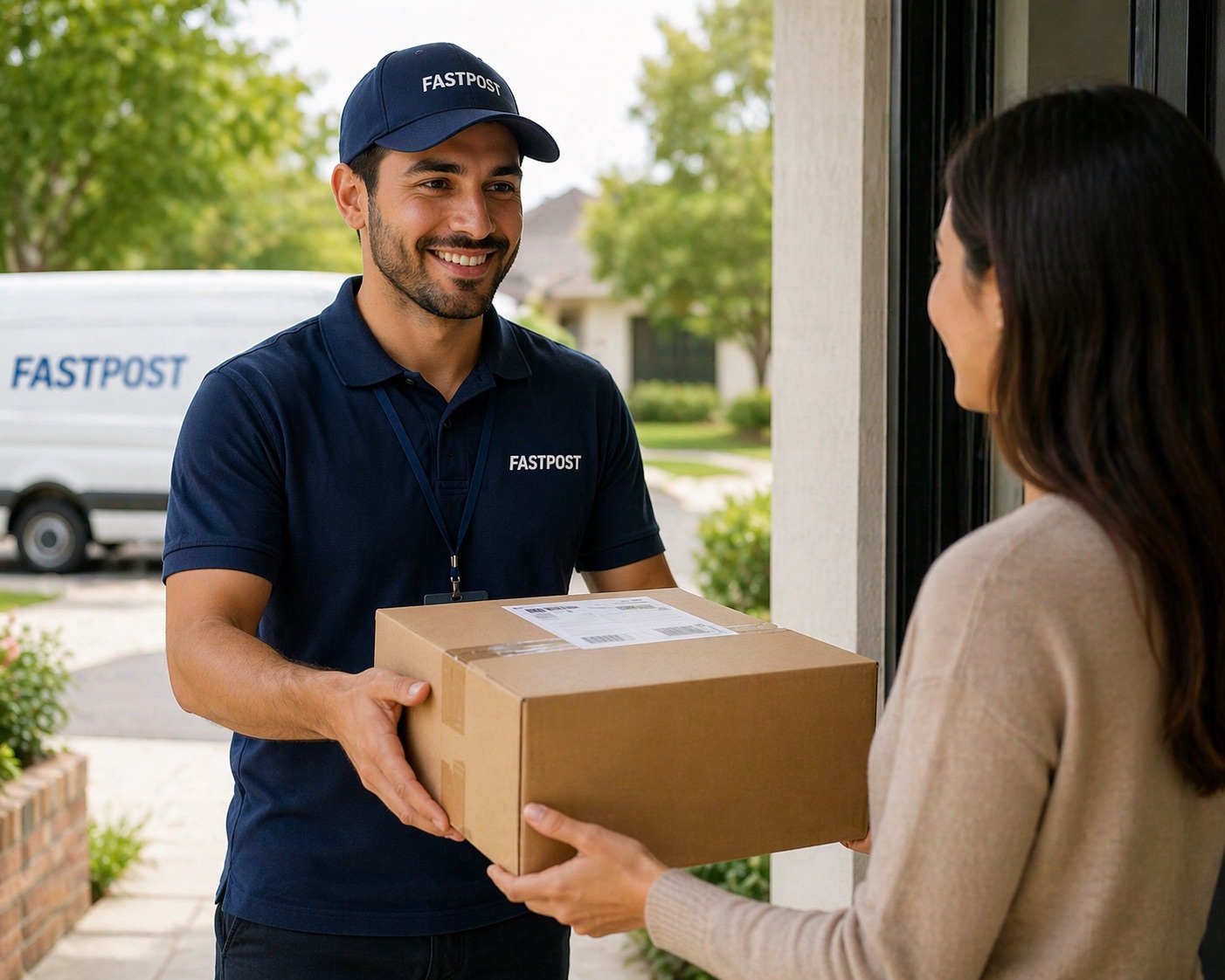
When you hold inventory, you control how quickly orders go out. You can ship same day or next day from your own location. That shipping speed is a massive competitive advantage, especially if you sell in a category where customers have been trained to expect overnight delivery.
Compare that to waiting two or three weeks for an overseas dropshipping order. Faster shipping means fewer refund requests, fewer chargebacks, and more repeat customers. It also means you can run ads with shipping claims that match what Amazon offers, which improves your conversion rates.
2. Better Profit Margins Where It Matters
Buying in bulk unlocks wholesale pricing. You might pay twelve dollars per unit instead of eighteen, which is a sixty percent improvement on your cost of goods. Over a year of sales on a single product, that difference can fund your entire ad budget.
Better margins on your winners give you room to run more aggressive marketing, offer free shipping, or simply keep more profit. Meanwhile, your long tail products still generate revenue on the dropshipping side without tying up any capital. This is the kind of structural advantage that separates scaled stores from struggling ones.
3. Lower Risk Than Pure Wholesale
The scariest part of buying inventory is choosing what to stock. If you guess wrong, you end up with dead stock that sits in your garage for months. Hybrid dropshipping removes most of that risk. You only buy inventory after a product has proven itself on the dropshipping side.
You get sales data first. You watch which products convert, which ones have low return rates, and which ones get repeat orders. Then, and only then, do you commit capital to bringing that SKU in-house. It is a data-driven approach that beats guessing every time.
4. Full Catalog Without Full Investment
Customers want choices. A store with two hundred products signals legitimacy and encourages browsing, which leads to higher average order values. But stocking two hundred products yourself would cost a fortune and take up a lot of space.
With this model, you keep your catalog wide through dropshipping suppliers while your core inventory stays tight. Shoppers get variety. You get focus. The setup lets you look like a much larger retailer than you actually are, which is great for building trust with first-time customers.
5. Control Over Branding And Packaging
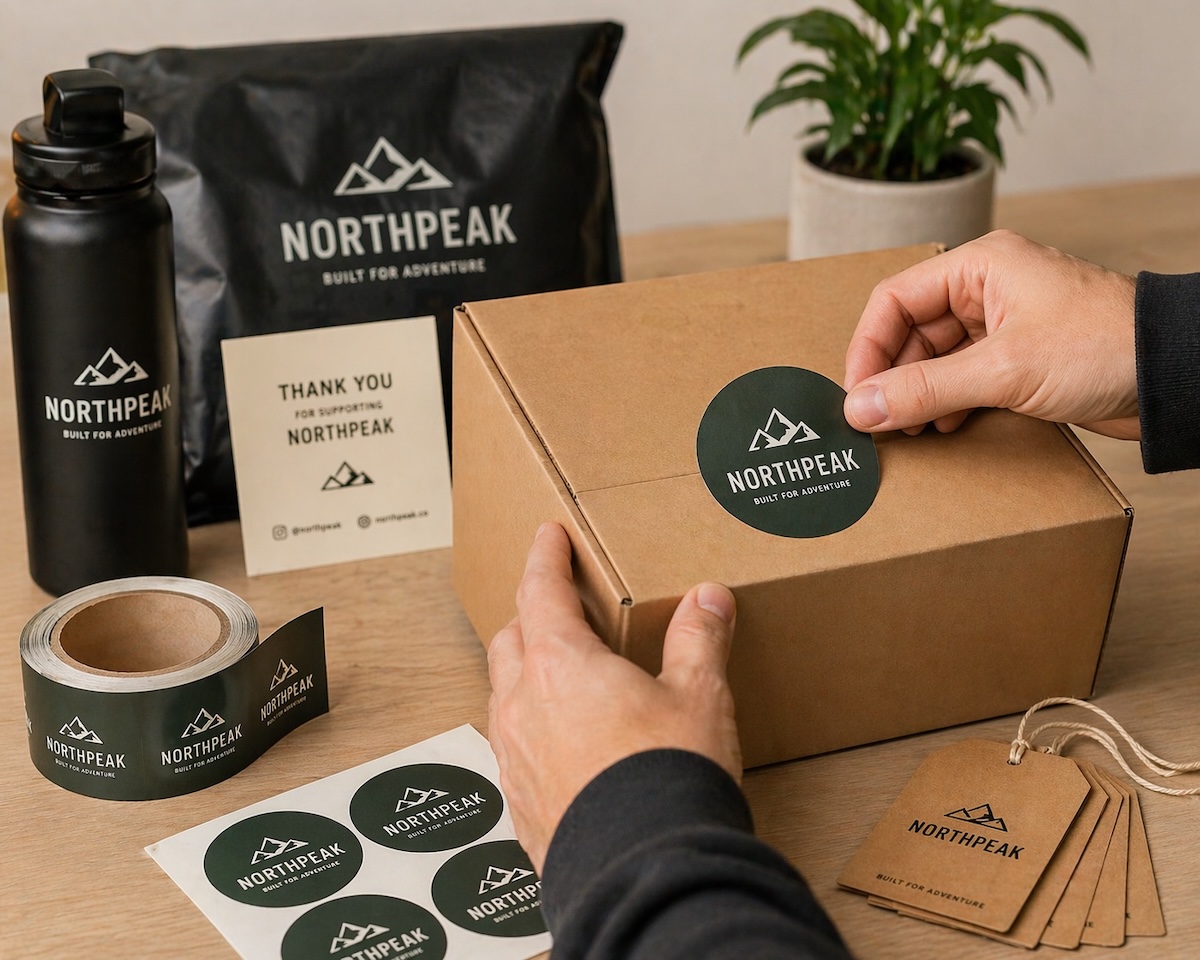
When products ship from your location, you control everything the customer sees when the box arrives. You can add branded packaging, thank you cards, inserts with discount codes, or free samples. That unboxing experience is how you turn a one-time buyer into a repeat customer.
Pure dropshipping limits your ability to do this. Most overseas suppliers ship in plain bags with no branding. Some will do custom packaging for a fee, but the options are limited. Hybrid dropshipping solves this by letting you brand the orders that matter most while the rest ship as-is.
6. Flexibility To Test New Products Safely
Every store needs a testing pipeline. How do you know which products to add to your catalog next? With pure wholesale, you are stuck guessing because every new product is a big commitment. With this approach, testing is baked in.
You add new products to your store through a dropshipping supplier. You run ads, watch the numbers, and collect data. If the product becomes a winner, you move it in-house. If it flops, you remove it with zero loss. This testing loop is one of the most powerful parts of the model and it is how top operators find their next hit.
7. Smoother Customer Experience Overall
Customer service gets easier when you control fulfillment. You can resolve shipping issues faster, handle returns directly, and make exceptions without waiting on a supplier to respond. Your team knows exactly where every order is and can update customers in real time.
For dropshipping orders, you still rely on suppliers. But because those are usually your lower volume products, any issues affect a smaller share of your customer base. The mix keeps service quality high where it matters most, which supports long-term brand building.
How To Set Up A Hybrid Dropshipping Business
Moving to a hybrid model is simpler than it sounds. You do not need to flip a switch overnight. Most store owners start fully on dropshipping, then transition products in-house as they become winners. Here is how to do it step by step.
Step 1: Start With Pure Dropshipping
If you are new, begin with a dropshipping-first store. This lets you test products, build traffic, and learn your niche without risking capital on inventory. Use a platform like DropCommerce to connect with vetted US and Canadian suppliers so your shipping times stay competitive from day one.
Run your store for two or three months before thinking about inventory. You need real sales data to know which products are worth stocking. Good platforms integrate directly with Shopify so the whole process is automated and you can focus on marketing. If you need help picking a direction, check out our guide on how to choose a dropshipping niche before you launch.
Step 2: Identify Your Bestsellers

After a few months, pull the data. Which products are selling consistently? Which ones have the highest repeat purchase rate? Which ones have the best reviews and the lowest return rates? These are your inventory candidates.
Look for products that sell at least ten to twenty units per month. Anything less probably is not worth stocking yet. You want products with stable demand, not one-hit wonders from a viral TikTok. Our article on finding winning dropshipping products goes deeper into this process.
Step 3: Negotiate Wholesale Pricing
Reach out to your supplier and ask about bulk pricing. Most suppliers offer discounts once you hit a minimum order quantity. Start with a quantity that represents about sixty to ninety days of sales. That gives you enough runway to avoid stockouts while limiting your exposure.
You can also look into alternative suppliers for better wholesale deals. Some manufacturers sell direct once you commit to a certain volume. According to Shopify research on dropshipping, building stronger supplier relationships is one of the most important levers for long-term profitability.
Step 4: Choose A Fulfillment Method
You have three options for handling your inventory. Each fits a different stage.
- Ship from home or a spare room. Great for under fifty units per day.
- Use a small warehouse or self storage unit. Works when you outgrow your home.
- Partner with a third-party logistics provider. Best for scaling past a few hundred orders per day.
Start with the simplest option and upgrade as you grow. Many successful operators started by shipping from their kitchen table. There is no prize for complexity if you are not at that scale yet.
Step 5: Set Up Split Fulfillment In Your Store
This is where the technology matters. You need your Shopify or WooCommerce store to know which products ship from where. Most platforms handle this through fulfillment locations. You tag your in-house products to your location, and the dropshipping products stay tagged to the supplier.
Apps can automate this routing so the correct system handles each order type. Once it is configured, the split happens automatically. You just need to pack and ship your in-house orders while the dropshipping side runs on autopilot.
Who Hybrid Dropshipping Is Best For
Not every store is ready for this model. Hybrid dropshipping works best at certain stages of business growth. Here is how to know if it fits your situation.
Stores Doing At Least Thirty Orders Per Day
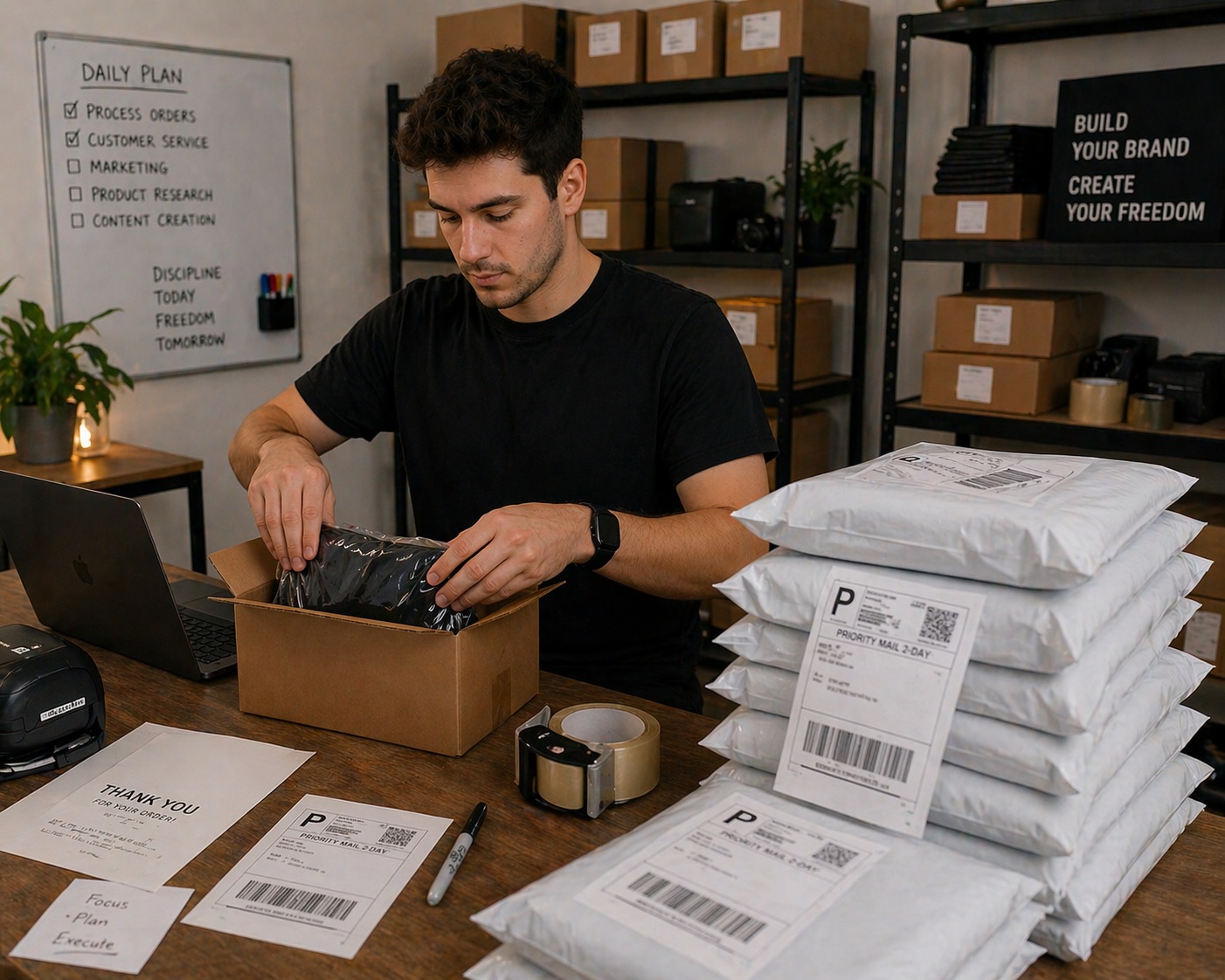
If you are doing fewer than thirty orders per day, stocking inventory is probably more complexity than it is worth. Stick with pure dropshipping until you have real volume. Once you cross that threshold consistently, the math starts working in your favor.
At thirty orders per day, a bestseller might be moving five to ten units daily. That kind of velocity means you can turn inventory quickly, which protects your cash flow. Before that point, holding stock can tie up money you need for ads and growth.
Stores In Repeat Purchase Categories
Categories where customers buy the same thing again and again are perfect for this model. Think beauty, pet supplies, supplements, coffee, and household consumables. Repeat customers reward fast shipping and good unboxing experiences, and inventory lets you deliver both.
One-time purchases like novelty items or seasonal gifts do not benefit as much from the hybrid model. If customers rarely come back, the faster shipping and branded packaging have less long-term payoff. Pure dropshipping might be a better fit there.
Stores With Clear Top Products
You need a clear top twenty percent. If sales are evenly spread across a hundred products, there is no obvious inventory candidate. The model works best when you can point to five or ten clear winners that dominate your revenue.
If your store does not have that pattern yet, keep running on dropshipping until it develops. You might also need to narrow your niche. A more focused catalog usually produces clearer winners, which makes the transition easier when the time comes.
Common Mistakes To Avoid With This Model
Every new approach has pitfalls. These are the most common mistakes that trip up store owners moving into the blended model, and how to avoid them.
Buying Too Much Inventory Too Early
The biggest mistake is overcommitting on your first bulk order. You see a product doing well for thirty days and you buy a thousand units. Then demand cools off and you are stuck with dead stock. Always start with sixty to ninety days of supply, not more.
Buy small, watch sales, and reorder as needed. The goal is to turn inventory at least four to six times per year. If a product is sitting for more than three months, you bought too much. Learn from it and adjust your next order.
Ignoring Inventory Management Tools
Once you have stock, you need to track it. Manual spreadsheets fall apart fast, especially if you are selling across multiple channels. Use a proper inventory management app that syncs with your store in real time.
Good inventory sync prevents overselling, which is one of the worst customer experiences possible. If a customer orders a product that is actually out of stock, you either cancel their order or delay shipment. Both kill trust. Real-time syncing is non-negotiable at any serious scale.
Neglecting The Dropshipping Side
Some store owners get so excited about inventory that they stop paying attention to their dropshipping suppliers. Quality drifts, shipping slows down, and complaints pile up. Remember, most of your catalog is still dropshipped, so supplier quality still matters a lot.
Keep your dropshipping supplier relationships strong. Pick platforms that pre-vet their suppliers and monitor shipping times. This is one reason stores choose DropCommerce for their dropshipping side. The platform focuses on North American suppliers with consistent quality standards, which reduces the risk of the dropshipping side dragging down your overall customer experience.
How DropCommerce Fits Into Hybrid Dropshipping

DropCommerce fits naturally into this setup because it handles the dropshipping side with the same speed and quality you want from your in-house inventory. All suppliers are US or Canadian, shipping is typically two to five days, and the catalog is pre-vetted across home, beauty, pet, and lifestyle niches.
That combination matters when you are running a hybrid model. If your in-house products ship in two days but your dropshipped products take three weeks, the customer experience feels inconsistent. With North American suppliers on the dropshipping side, your whole catalog feels cohesive. The entire customer experience stays fast and reliable regardless of which fulfillment track an order uses.
No Minimum Orders And Real-Time Syncing
DropCommerce has no minimum order requirements, which means you can test new products with a single sale. That is ideal for the testing pipeline that sits at the heart of this model. When a product proves itself, you move it in-house. When it does not, you just remove it with no lost capital.
Real-time inventory syncing prevents overselling across your dropshipped SKUs. Seamless Shopify and WooCommerce integration means everything runs smoothly alongside your in-house products. The platform is designed for store owners who want to compete on experience, not price, which is exactly what hybrid dropshipping is built to do. Learn more about the broader approach in our guide to domestic dropshipping.
Final Thoughts On Hybrid Dropshipping
Hybrid dropshipping is not a magic bullet. It is a practical evolution that fits stores at a specific stage. If you are in your first ninety days, stay on pure dropshipping and focus on finding what sells. Once you have data, the blended approach unlocks better margins, faster shipping, and more control over your customer experience.
The store owners winning in 2026 are not picking between inventory and dropshipping. They are combining both in the smartest way possible. If you want a business that scales without burning you out, this model is worth a serious look. Start with proven dropshipping suppliers, let the data guide you, and bring products in-house only when they have earned it.

.jpg)


