


hoosing the right niche is probably the most important decision you'll make when starting a dropshipping business. Get it right, and you've got a focused brand that attracts loyal customers. Get it wrong, and you'll spend months spinning your wheels in an overcrowded market or chasing products nobody wants.
We've put together this list of 25 dropshipping niches that show real promise for 2026. These aren't random product categories pulled from a hat. They're niches backed by growing consumer demand, reasonable competition levels, and margins that actually let you build a sustainable business.
Before we dive into the list, let's quickly cover what makes a niche worth pursuing and how to evaluate whether it's right for you.
What Makes a Good Dropshipping Niche?
A dropshipping niche is simply a focused segment of a larger market. Instead of trying to sell "home products" to everyone, you might focus on "minimalist home office accessories" for remote workers. That focus lets you build a brand identity, target your marketing more effectively, and become the go-to store for a specific type of customer.
The best dropshipping niches share a few key characteristics.
Consistent demand means people are searching for and buying these products regularly, not just during a viral moment. Fads like fidget spinners can generate quick sales, but they disappear just as fast. You want niches with steady, predictable interest that lets you build something lasting.
Reasonable competition doesn't mean zero competition. That usually signals no demand. You want niches where competitors exist but haven't completely locked up the market. Look for spaces where you can differentiate through better branding, superior customer service, or a unique angle.
Healthy profit margins give you room to cover advertising costs, platform fees, and still make money. Niches with rock-bottom prices and commoditized products make profitability extremely difficult. Higher-ticket items or products with perceived value tend to support better margins.
Passionate customers buy more frequently, engage with brands, and tell their friends. Niches tied to hobbies, lifestyles, or identities (like fitness enthusiasts, pet owners, or eco-conscious consumers) tend to have more engaged buyers than purely utilitarian product categories.
Supplier availability ensures you can actually source quality products reliably. A niche might look promising on paper, but if you can't find suppliers with good products, reasonable prices, and fast shipping, it won't work in practice.
If you want to go even more targeted, consider exploring micro-niche dropshipping, where you narrow down to an ultra-specific customer segment within a broader category.
How to Validate a Niche Before Committing
Before you build a store around any niche, do some basic validation. Start with Google Trends to check whether interest is stable, growing, or declining. Look at the five-year view to see the bigger picture beyond seasonal fluctuations.
Browse Amazon and Etsy to see what's selling and read customer reviews. Reviews reveal what people love about existing products and, more importantly, what they complain about. Those complaints are opportunities for you to serve customers better.
Check social media engagement. Are there active communities, influencers, and content creators in this space? Strong social presence indicates passionate customers who'll respond to marketing.
Finally, look at supplier availability. Browse dropshipping platforms and supplier directories to confirm you can actually source quality products in your chosen niche. All the demand in the world won't help if you can't fulfill orders reliably.
For a deeper dive into product validation, check out our guide on how to find winning dropshipping products.
25 Best Dropshipping Niches for 2026
1. Sustainable Home Products
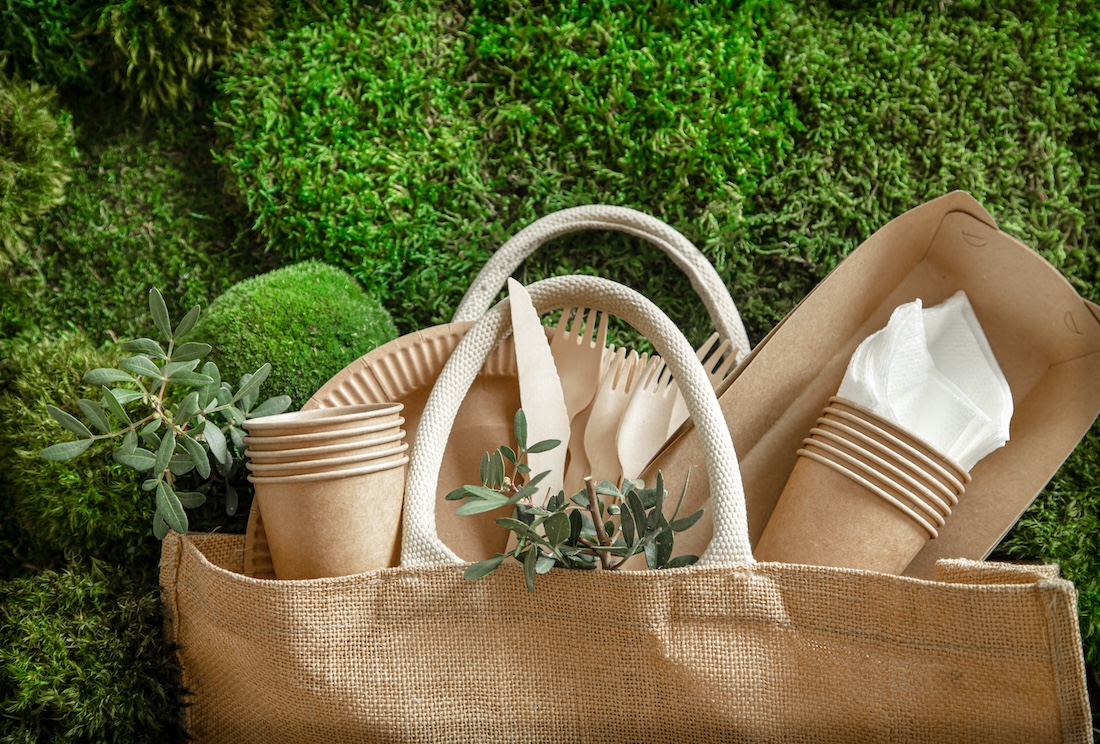
Sustainability isn't a trend anymore. It's a permanent shift in consumer behavior. Research shows that 40% of shoppers feel uncomfortable buying from companies that aren't actively working toward sustainability goals, and many consumers are willing to pay premium prices for eco-friendly alternatives.
This niche includes reusable kitchen products like beeswax wraps and silicone food storage, bamboo household items, compostable cleaning supplies, and plastic-free bathroom essentials. The products solve a real problem (reducing waste) while aligning with customers' values, which creates strong brand loyalty.
What makes this niche work: customers are actively seeking these products, willing to pay more for them, and tend to become repeat buyers once they find brands they trust. The sustainability angle also gives you natural content marketing opportunities.
2. Pet Wellness and Anxiety Products
Pet owners spent over $143 billion on their animals in 2023, and the wellness segment is growing faster than traditional pet supplies. Products targeting pet anxiety, joint health, dental care, and overall wellness tap into owners' emotional connection with their pets.
Think calming beds, anxiety wraps, joint supplements, dental chews, and wellness monitoring accessories. Pet owners are notoriously willing to spend on their animals' health and comfort, and they're always looking for solutions to specific problems.
This niche benefits from strong emotional buying triggers and excellent repeat purchase potential. Once a pet owner finds a calming solution that works for their anxious dog, they'll keep buying it.
3. Home Office and Remote Work Accessories
Remote and hybrid work isn't going away. Millions of people are still setting up and upgrading home offices, creating sustained demand for ergonomic accessories, organization solutions, and productivity tools.
Products that perform well include standing desk converters, ergonomic keyboard and mouse accessories, cable management solutions, monitor stands, desk organizers, and lighting designed for video calls. The sweet spot is products that solve specific work-from-home pain points.
You can differentiate in this niche by focusing on aesthetics (products that look good in a home environment), sustainability (eco-friendly materials), or specific professions (accessories for designers, developers, or content creators).
4. Baby and Toddler Products

The baby products market generates consistent demand because, well, babies keep being born. Parents are notoriously protective of their children and willing to spend on quality products, especially first-time parents who want the best for their new arrival.
Focus on specific sub-categories rather than trying to cover everything: organic baby clothing, developmental toys for specific age ranges, feeding accessories, nursery organization, or travel gear for parents. The key is becoming known for something specific rather than being a generic baby store.
This niche has excellent repeat purchase potential as children grow and parents need products for different developmental stages. It also benefits from gift-giving occasions like baby showers, birthdays, and holidays.
5. Health and Beauty (Clean/Natural Focus)
The global beauty market continues growing, but the real opportunity is in the clean beauty segment. Consumers increasingly scrutinize ingredient lists and prefer products free from harsh chemicals, parabens, and synthetic fragrances.
Natural skincare, organic makeup, clean haircare, and eco-friendly beauty tools all fit this niche. One out of four consumers now prefers eco-friendly skincare brands, and this preference skews even higher among younger demographics.
Success in this niche requires building trust through transparency about ingredients and sourcing. Customer education content performs well here, and loyal customers often become brand advocates who share their discoveries with friends.
6. Fitness and Home Gym Equipment
The home fitness market exploded during the pandemic and has maintained much of that growth. People have discovered they prefer working out at home, and they're continuously upgrading their setups.
Rather than competing with major equipment manufacturers, focus on accessories and specialized gear: resistance bands, yoga accessories, recovery tools like massage guns and foam rollers, workout apparel, and gym organization solutions. These products have better margins and are easier to ship than heavy equipment.
Niche down further by focusing on specific fitness styles: yoga practitioners, CrossFit enthusiasts, runners, or people doing physical therapy exercises at home.
7. Kitchen Gadgets and Cooking Accessories
Kitchen tools represent an evergreen niche with consistent year-round demand and a significant spike during the holiday gift-giving season. People are cooking more at home and always looking for tools that make the process easier or more enjoyable.
Focus on problem-solving products: time-saving prep tools, organization solutions for small kitchens, specialized cooking accessories for specific cuisines, or gadgets that make healthy cooking more convenient. Avoid generic utensils that are completely commoditized.
This niche works well with content marketing. Recipe content, cooking tips, and kitchen organization ideas can drive organic traffic and build an engaged audience.
8. Phone and Tech Accessories

Consumer electronics accessories represent a massive market projected to exceed $320 billion by 2032. While phone cases alone are oversaturated, there's plenty of room in specialized accessories.
Think wireless charging solutions, cable management, laptop accessories, tablet stands, tech organization bags, and accessories for specific devices or use cases. The key is avoiding the most commoditized products (basic phone cases) and focusing on higher-value accessories where you can differentiate.
Tech accessories benefit from frequent upgrading. People buy new devices regularly and need new accessories to match. They also make popular gifts.
9. Jewelry and Accessories
The global jewelry market is projected to grow from $242 billion in 2025 to nearly $344 billion by 2032. Jewelry has several advantages for dropshipping: small and lightweight (low shipping costs), high perceived value, and strong emotional purchase triggers.
Rather than competing with fine jewelry, focus on fashion jewelry, personalized pieces, or specific styles like minimalist, bohemian, or statement pieces. Themed collections (birthstone jewelry, zodiac-inspired pieces, or jewelry for specific occasions) help you stand out.
This niche excels during gift-giving seasons and benefits from visual marketing on platforms like Instagram and Pinterest.
10. Car and Vehicle Accessories
The automotive accessories market was worth nearly $67 billion in 2023 and continues growing steadily. Car owners are constantly looking for products that improve comfort, convenience, organization, and aesthetics.
Phone mounts, car organizers, cleaning supplies, LED lighting, seat covers, and tech accessories like dash cams and Bluetooth adapters all perform well. Focus on solving specific problems rather than trying to cover every possible car accessory.
This niche benefits from practical purchase motivation. People buy these products because they genuinely need them, not just because they're trendy.
11. Outdoor and Camping Gear
Outdoor recreation participation has grown significantly, and the trend shows no signs of reversing. People are spending more time camping, hiking, and exploring, creating demand for gear that makes outdoor experiences more comfortable and convenient.
Rather than competing with major outdoor brands on technical gear, focus on accessories and comfort items: portable camping furniture, outdoor cooking accessories, organization solutions, lighting, and comfort products like hammocks and outdoor blankets.
The outdoor niche has passionate customers who invest significantly in their hobby and are always looking for products that enhance their experiences.
12. Garden and Plant Care
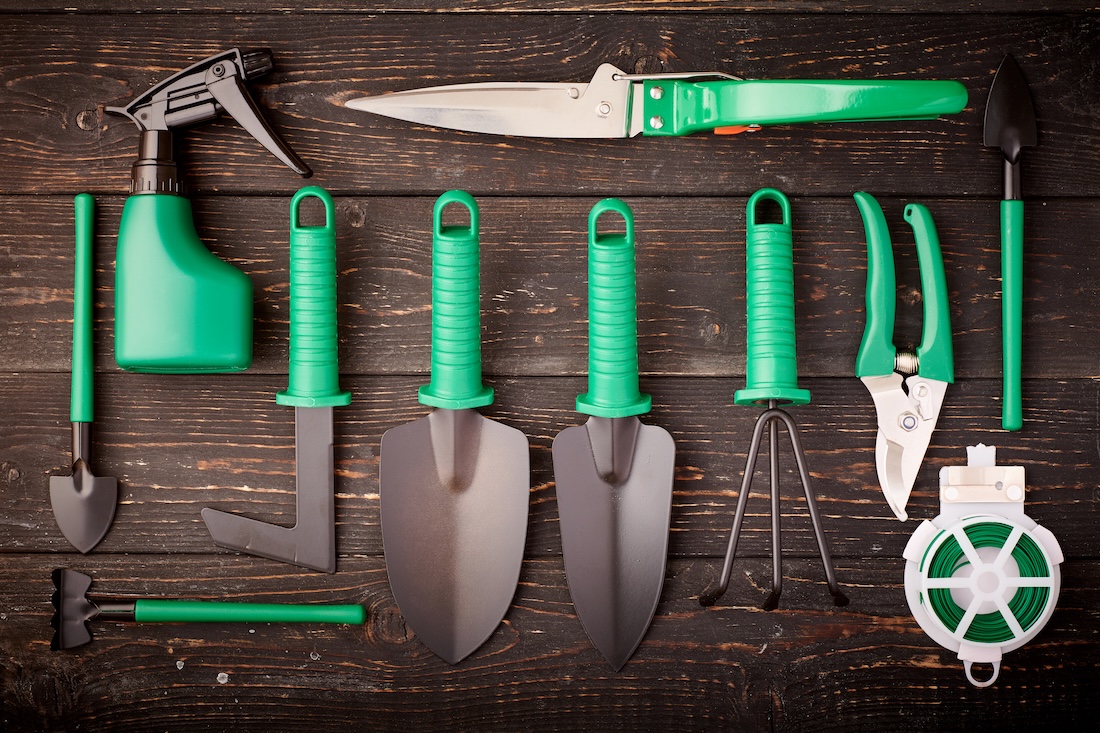
Home gardening interest surged during the pandemic and has maintained strong momentum. People have discovered the satisfaction of growing their own food and creating beautiful outdoor spaces, driving demand for gardening tools, planters, plant care products, and outdoor décor.
This niche includes both practical products (gardening tools, seed starting supplies, plant care accessories) and decorative items (planters, garden art, outdoor lighting). Indoor plant care is a particularly strong sub-niche, catering to apartment dwellers who want greenery but lack outdoor space.
Garden products benefit from seasonal demand spikes in spring and early summer, with year-round interest in indoor plant care.
13. Sleep Optimization Products
Sleep quality has become a major consumer focus, and people are willing to invest in products that help them sleep better. Beyond mattresses and pillows (which are difficult to dropship), there's a growing market for sleep accessories.
Weighted blankets, sleep masks with built-in audio, white noise machines, temperature-regulating bedding accessories, aromatherapy products for sleep, and sleep tracking devices all address the growing demand for better rest.
This niche benefits from the health and wellness trend and has customers who are actively seeking solutions to a problem they care deeply about solving.
14. Skincare Tools and Devices
While skincare products themselves can be complicated to dropship due to regulations and shelf life concerns, skincare tools and devices offer a cleaner opportunity. Facial rollers, gua sha tools, LED therapy devices, cleansing brushes, and microcurrent devices have become mainstream.
These products benefit from the "self-care" trend and the influence of skincare content on social media. Customers often collect multiple tools for their routines, creating good repeat purchase potential.
Marketing in this niche works well on visual platforms, and educational content about how to use different tools can drive engagement and sales.
15. Arts, Crafts, and DIY Supplies
The maker movement continues growing, with more people taking up creative hobbies. Crafting supplies, art materials, DIY project kits, and hobby tools serve customers who are passionate about their creative pursuits.
Focus on specific craft categories rather than trying to serve all crafters: knitting and crochet supplies, jewelry-making materials, painting supplies, scrapbooking tools, or DIY home décor kits. Each sub-category has its own dedicated community of enthusiasts.
Craft customers tend to be highly engaged and frequently purchase supplies for new projects. They also respond well to content marketing and community building.
16. Coffee and Tea Accessories

Coffee culture shows no signs of slowing down, and tea has its own dedicated following. Beyond the beverages themselves, there's strong demand for accessories that enhance the brewing and drinking experience.
Pour-over equipment, specialty mugs and cups, coffee storage solutions, espresso accessories, tea infusers, and matcha preparation tools all serve passionate beverage enthusiasts. This niche benefits from gift-giving (coffee accessories make popular presents) and the daily ritual nature of coffee and tea consumption.
You can niche down further by focusing on specific brewing methods, sustainable options, or travel accessories for coffee lovers on the go.
17. Stationery and Journaling Supplies
Despite digital alternatives, physical stationery maintains devoted fans who appreciate the tactile experience of writing on paper. Planners, journals, pens, organizational supplies, and desk accessories serve students, professionals, and journaling enthusiasts.
The bullet journaling and planning community is particularly engaged, with active social media communities and a culture of sharing setups and supplies. These customers tend to be brand loyal and purchase supplies regularly.
This niche has good seasonality (back-to-school, new year planning) and year-round baseline demand from stationery enthusiasts.
18. Men's Grooming Products
Men's grooming has evolved far beyond basic razors and aftershave. Modern men invest in skincare, beard care, hair styling products, and grooming tools, creating a market that's grown significantly over the past decade.
Beard oils and balms, quality razors and shaving accessories, men's skincare products, hair styling tools, and grooming kits all perform well. This niche benefits from recurring purchase patterns (grooming products run out and need replacement) and gift-giving.
Marketing to men requires a different approach than typical beauty marketing. Focus on function, quality, and straightforward messaging rather than elaborate routines.
19. Kids' Educational Toys and Games
Parents increasingly seek toys that combine entertainment with learning value. Educational toys, STEM kits, developmental games, and screen-free play options cater to parents who want their children engaged without defaulting to tablets and phones.
Focus on specific age ranges or educational focuses rather than trying to serve all ages. Montessori-inspired toys, science experiment kits, coding toys for kids, and creative building sets all have dedicated audiences.
This niche benefits from gift-giving occasions and parents' ongoing desire to provide developmental value for their children.
20. Yoga and Meditation Accessories

Yoga and meditation have gone mainstream, with millions of practitioners worldwide. Beyond basic yoga mats, there's demand for props, accessories, meditation supplies, and yoga-inspired lifestyle products.
Yoga blocks, straps, bolsters, meditation cushions, singing bowls, aromatherapy for practice, and yoga-specific apparel all serve this market. The wellness angle and mindful consumption ethos of this customer base makes them receptive to quality, sustainable products.
This niche has passionate, engaged customers who often build ongoing practices and continuously seek products to enhance their experience.
21. Travel Accessories and Organization
Travel has rebounded strongly, and travelers are always looking for products that make their journeys more comfortable and organized. Packing cubes, travel toiletry bags, neck pillows, luggage accessories, and portable tech organizers address common travel pain points.
Focus on solving specific problems rather than generic travel gear: carry-on organization, international travel essentials, business travel accessories, or adventure travel gear. Each angle attracts different customer segments.
This niche benefits from seasonal travel spikes and the ongoing growth of both leisure and business travel.
22. Smart Home Accessories
While major smart home devices come from tech giants, there's opportunity in accessories, add-ons, and products that integrate with smart home systems. Smart plugs, sensor accessories, voice assistant stands, smart lighting additions, and connected home organization products all serve this growing market.
This niche attracts tech-forward consumers who are continuously expanding and upgrading their smart home setups. They tend to do research before purchasing and appreciate detailed product information.
The smart home market continues growing as devices become more affordable and mainstream consumers adopt connected home technology.
23. Party and Event Supplies
Celebrations never go out of style. Party supplies, event decorations, themed accessories, and celebration essentials serve a market with constant demand driven by birthdays, holidays, weddings, and special occasions.
Rather than competing with dollar stores on basic supplies, focus on elevated party décor, specific themes, eco-friendly celebration products, or unique items that help hosts create memorable events. The Instagram-worthy party trend drives demand for aesthetically appealing supplies.
This niche has predictable seasonal peaks (Halloween, Christmas, graduation season) and year-round baseline demand for birthdays and celebrations.
24. Desk and Workspace Organization

Beyond general home office products, there's specific demand for organization solutions that help people create functional, aesthetically pleasing workspaces. Desk organizers, cable management, drawer systems, and decorative storage appeal to people who care about their work environment.
The work-from-home trend has made people more aware of their workspace aesthetics since it's now visible on video calls. Products that combine function with visual appeal perform particularly well.
This niche works well with content marketing around workspace setup inspiration and productivity tips.
25. Specialty Food and Beverage Accessories
Food culture continues evolving, with consumers exploring specialty cuisines, cooking techniques, and beverage experiences. Accessories for specific food interests (cocktail making, charcuterie serving, specialty cooking methods, or specific cuisines) serve passionate food enthusiasts.
Cocktail tools, cheese and charcuterie boards, specialty coffee accessories, wine accessories, or tools for specific cooking styles (sous vide, smoking, fermentation) all have dedicated audiences.
This niche benefits from the entertaining trend (people hosting at home) and the ongoing interest in food experiences beyond basic meal preparation.
Niches to Approach with Caution
Not every product category makes sense for dropshipping. Some niches have challenges that make success difficult for new stores.
Heavily branded categories like luxury fashion, major electronics, and name-brand products are dominated by authorized retailers and official channels. Trying to compete without those relationships rarely works.
Highly regulated products including supplements, health devices, and anything making medical claims require compliance expertise that most new dropshippers don't have.
Ultra-commoditized products where there's no differentiation opportunity (basic phone cases, generic cables, standard household items) make it nearly impossible to compete on anything other than price.
Heavy, bulky, or fragile items create shipping nightmares. Furniture, large equipment, and breakable products lead to high shipping costs, damage complaints, and complicated returns.
Seasonal-only products that sell for a few weeks per year (like Halloween costumes or Christmas decorations) don't support a sustainable business unless combined with other product lines.
Finding Your Niche: What to Do Next
Reading a list of niches is just the starting point. Here's how to move from ideas to action.
Shortlist 3-5 niches that interest you and align with your knowledge or passions. You'll be spending a lot of time thinking about these products and customers, so genuine interest helps sustain your motivation.
Validate each option using the methods described earlier: Google Trends, competitor research, customer review analysis, and supplier availability checks.
Consider your target market and where you'll be selling. Some niches perform better in certain countries due to cultural preferences and buying habits. If you're curious about geographic considerations, check out our guide on the best countries for dropshipping.
Look for underserved angles within your chosen niche. If the main niche seems competitive, look for dropshipping niches with low competition by targeting specific customer segments or product categories that bigger players overlook.
Test before committing fully. Start with a focused selection of products, run some initial marketing, and see how customers respond before building out a complete store.
Building Your Store Around Your Niche
Once you've chosen a niche, your focus shifts to execution. Your store design, product selection, content, and marketing strategies should all reinforce your niche positioning.
Build your brand around serving your specific customer exceptionally well. Understand their problems, speak their language, and position your store as the destination for their needs. When someone thinks about your niche, you want them to think of your store.
Finding quality suppliers becomes much easier when you have a clear niche. Platforms like DropCommerce let you browse suppliers by category and find products that fit your store's focus. With North American suppliers, you can offer the fast shipping that today's customers expect.
Ready to Start?
The dropshipping market continues growing, with global ecommerce projected to exceed $8 trillion by 2027. There's plenty of opportunity for new stores that choose the right niche and execute well.
The 25 niches in this list represent real opportunities backed by consumer demand, reasonable competition, and products you can actually source and ship profitably. But the best niche for you depends on your interests, resources, and the specific angle you bring to the market.
Pick something that genuinely interests you, validate the opportunity, find reliable suppliers, and start building. The stores that succeed are the ones that actually launch and learn from real customer feedback rather than endlessly researching the "perfect" niche.

Try DropCommerce free for 14 days to browse thousands of products from North American suppliers and find inventory that fits your chosen niche.

.jpg)


