


nstagram just crossed 3 billion monthly active users. Let that number sink in for a moment. That's more than one-third of the world's population scrolling, shopping, and discovering new brands every single month. And here's the part that matters to you: 70% of those users actively shop on the platform, with 44% using Instagram for shopping at least once per week.
This isn't just a social media app anymore. It's one of the largest marketplaces in the world, and the opportunity to turn your page into a real income stream has never been bigger.
Whether you've built a following around fitness, fashion, pets, travel, or any other niche, the path from content creator to business owner is more accessible than ever. You don't need millions of followers. You don't need to be a celebrity. You just need the right strategy and the willingness to treat your page like a business.
This guide breaks down seven proven methods to monetize an Instagram page in 2026. Some work best for smaller accounts, others scale with your audience, and a few can generate income almost immediately. Let's get into it.
The Instagram Opportunity in 2026
Before diving into strategies, it helps to understand why Instagram remains such a powerful platform for building income.
Instagram generates over $83 billion in annual revenue, primarily from advertising. But the real opportunity isn't in hoping Instagram pays you directly. It's in leveraging the platform's massive reach to build your own revenue streams.
Consider these numbers: users spend an average of 30 minutes per day on the platform. Over 200 million business accounts are active, and 90% of users follow at least one business. Instagram Reels now reach 37.87% of audiences on average, the highest of any content format on the platform.
The people scrolling Instagram aren't just killing time. They're discovering products, researching brands, and making purchase decisions. Your job is to position yourself to capture some of that attention and convert it into income.
Method 1: Dropshipping

Dropshipping remains one of the most accessible ways to monetize an Instagram page, especially if you've built an audience around a specific niche. The model is straightforward: you sell products through your own online store, but instead of holding inventory, your supplier ships directly to customers when orders come in.
This works particularly well for Instagram because the platform excels at product discovery. You can showcase products through posts, Stories, and Reels, then direct followers to your store to purchase.
Why Dropshipping Works for Instagram Creators
The beauty of dropshipping is the low barrier to entry. You don't need to invest thousands in inventory. You don't need warehouse space. You can test products with your audience and quickly pivot if something doesn't resonate.
For Instagram creators, the economics look like this: your audience already trusts you. When you recommend products that genuinely fit your niche, you're essentially doing the marketing that most ecommerce businesses struggle with. A fitness page recommending workout equipment, a pet account showcasing toys and accessories, a home decor page featuring unique finds. The product recommendations feel natural because they align with what your audience already follows you for.
Getting Started with Dropshipping
The technical setup is simpler than most people expect. Platforms like Shopify make it easy to launch a store, and dropshipping costs are minimal compared to traditional retail. Your main investment is time spent finding the right products and creating content to promote them.
For product sourcing, quality matters more than price. Your audience trusts you, and recommending low-quality products damages that trust permanently. DropCommerce connects you with vetted North American suppliers who ship quickly and maintain consistent quality. Fast shipping from U.S. and Canadian suppliers means happier customers and fewer complaints, which protects your reputation as a creator.
If you're wondering whether dropshipping is legitimate, the short answer is yes. It's a real business model used by thousands of entrepreneurs. Success depends on product selection, marketing execution, and customer service, just like any retail business.
Content Strategy for Dropshipping
Don't turn your page into a constant sales pitch. The quickest way to lose followers is to flood them with promotional content. Instead, aim for a ratio where roughly one in five posts directly promotes products. The rest should continue delivering the value your audience followed you for in the first place.
Use Instagram's native features strategically. Product demos work well in Reels format. Customer testimonials and user-generated content build social proof. Stories let you share behind-the-scenes looks at products and limited-time offers.
Enable Instagram Shopping if you qualify, which lets followers browse and purchase without leaving the app. Include a clear call-to-action in your bio directing people to your store.
For product ideas that actually sell, check out our guide on finding winning dropshipping products.
Method 2: Affiliate Marketing
Affiliate marketing offers a lower-lift alternative to dropshipping. Instead of running your own store, you promote other companies' products and earn a commission on each sale made through your unique tracking link.
The advantage here is simplicity. You don't handle customer service, shipping, returns, or any operational complexity. Your entire job is driving traffic and conversions. The trade-off is lower profit margins compared to selling your own products.
How Affiliate Marketing Works
You sign up for affiliate programs, receive unique tracking links, and earn commissions when your followers purchase through those links. Commission rates typically range from 5% to 50% depending on the product category and program. Digital products and subscriptions often pay higher rates than physical goods.
For Instagram creators, affiliate marketing works best when you're recommending products you actually use and believe in. Forced promotions are obvious to audiences and damage credibility. Authentic recommendations, especially with honest pros and cons, convert better and build long-term trust.
Finding Affiliate Programs
Major affiliate networks include Amazon Associates (massive product selection, lower commissions), ShareASale (thousands of merchants across categories), and CJ Affiliate (connects you with larger brands). Many individual brands also run their own affiliate programs directly.
Look for programs that align with your niche and offer products your audience actually wants. A tech review page partnering with electronics brands makes sense. A parenting account promoting children's products makes sense. Random product recommendations just because the commission is high? That damages your credibility.
Implementing Affiliate Marketing on Instagram
Instagram doesn't allow clickable links in regular post captions, which creates some friction for affiliate marketing. Work around this by directing followers to the link in your bio, using Stories with link stickers (available to all accounts), and creating content that generates enough interest to motivate the extra click.
Product reviews, tutorials, and comparison content perform well for affiliate marketing. Show your audience how the product fits into your life and solves real problems. "Here's why I love this" works better than "Buy this."
Always disclose affiliate relationships. It's required by FTC guidelines, and transparency actually builds trust rather than diminishing it.
Method 3: Digital Products
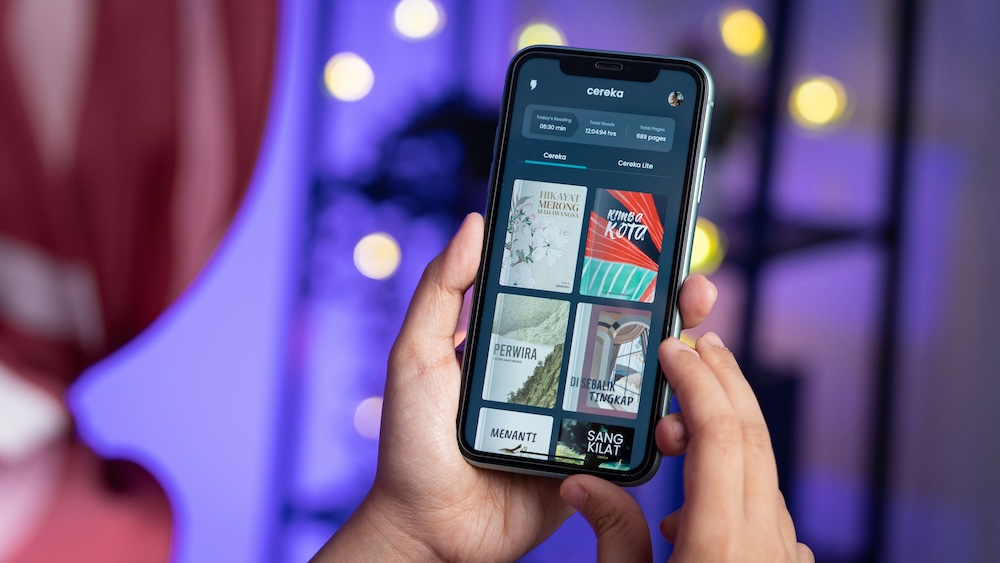
Selling digital products is potentially the most profitable way to monetize an Instagram page. Digital products have near-zero marginal costs, meaning once you create them, every additional sale is almost pure profit. No inventory, no shipping, no manufacturing costs.
Types of Digital Products
The specific products that work depend on your niche and expertise, but common formats include:
Ebooks and guides work well for educational content. A fitness creator might sell workout programs. A photography account might sell editing presets. A business coach might sell strategy templates.
Online courses command higher prices and offer deeper value. Video-based courses teaching specific skills can sell for hundreds of dollars. Platforms like Teachable, Kajabi, and Gumroad make it easy to host and sell courses.
Templates and presets appeal to audiences who want shortcuts to results you've already achieved. Instagram caption templates, content calendars, photo editing presets, design templates. Anything that saves your audience time has value.
Digital planners and printables serve audiences who want organization tools. Meal planners, workout trackers, budget spreadsheets, habit trackers.
Creating Digital Products That Sell
The best digital products solve specific problems your audience has. Pay attention to the questions you receive in comments and DMs. Those questions reveal pain points. Products that directly address those pain points sell.
Don't try to create something for everyone. Narrow focus beats broad appeal. A "Complete Guide to Everything About Fitness" won't sell as well as "12-Week Home Workout Program for Busy Parents." Specificity signals that you understand your audience's exact situation.
Price based on the value you provide and the transformation you deliver. A $27 ebook that helps someone solve a real problem is worth more to them than $27. A $297 course that teaches a marketable skill is worth far more if it helps someone earn that back quickly.
Promoting Digital Products on Instagram
Your content strategy should demonstrate the expertise and value that your digital product delivers. If you're selling a photography course, your Instagram content should showcase your photography skills and teach valuable techniques. The free content proves you know what you're talking about. The paid product goes deeper.
Use Stories to share customer results and testimonials. Launch new products with limited-time pricing to create urgency. Build an email list so you're not entirely dependent on Instagram's algorithm to reach your audience.
Speaking of email, learn how to build an email list for your store to own your audience relationship beyond social media.
Method 4: Paid Communities and Memberships

Subscription-based communities create recurring revenue, which is the holy grail of online business. Instead of needing to make a new sale every month, members pay you consistently for ongoing access to exclusive content, community, and direct interaction.
Why Memberships Work
Your most engaged followers want more than what you share publicly. They want deeper access, exclusive content, and direct interaction with you. A paid community gives them that while providing you predictable monthly income.
The economics of memberships are compelling. Even 100 subscribers paying $10 per month equals $1,000 in recurring monthly revenue. Scale that to 500 or 1,000 members, and you've built a serious business that doesn't require constantly chasing new customers.
Platforms for Paid Communities
Several platforms make it easy to create and manage paid communities:
Skool combines courses, community features, and gamification in one platform. It's become popular for creators who want to blend content and community.
Patreon remains a proven option with tier-based memberships that let you offer different access levels at different price points.
Discord works well for community-focused offerings where the interaction between members is as valuable as access to you.
Instagram Subscriptions is Instagram's native option, requiring 10,000 followers and a professional account. Subscribers pay monthly for exclusive content and access.
Building a Thriving Membership
The key to membership retention is consistent value delivery. Members need to feel their subscription is worth continuing every single month. This means regular exclusive content, responsive engagement, and genuine community building.
Start with a clear value proposition. What specifically do members get? Exclusive tutorials? Weekly live Q&As? A private community of like-minded people? Direct access to ask you questions? The clearer your offer, the easier it sells.
Promote memberships by giving your public audience a taste of what they're missing. Share testimonials from members. Go live and mention exclusive content available to subscribers. Create FOMO without being annoying about it.
Method 5: Sponsored Content and Brand Partnerships

Sponsored posts remain one of the most common ways creators monetize Instagram. Brands pay you to feature their products or services to your audience. The more engaged your following, the more you can charge.
What Brands Are Willing to Pay
Earning potential scales with your audience size and engagement, but smaller accounts often outperform larger ones on a per-follower basis. Current rate benchmarks for sponsored posts:
Micro-influencers (10,000 to 50,000 followers) typically earn $200 to $800 per sponsored post. Mid-tier creators (50,000 to 500,000 followers) command $800 to $6,000 per post. Larger accounts can negotiate significantly higher rates.
These numbers vary based on niche (some industries pay more), engagement rate (brands prefer engaged audiences over passive ones), and content quality.
Finding Brand Partnerships
Brands find creators through Instagram's Creator Marketplace, influencer marketing platforms like AspireIQ and Influence.co, and direct outreach. You can also proactively pitch brands that align with your audience.
Create a simple media kit showing your audience demographics, engagement metrics, content examples, and rates. Make it easy for brands to understand what they get by working with you.
Focus on partnerships that make sense for your audience. Promoting products you wouldn't actually use destroys credibility. The short-term payment isn't worth the long-term damage to audience trust.
Executing Sponsored Content
The best sponsored content feels natural, not like an interruption. Find creative ways to integrate products into your usual content style. Tell stories. Share genuine experiences. Show how the product fits into your life.
Always use Instagram's branded content tools and disclose paid partnerships. Transparency is required by law and expected by audiences.
Track performance for your brand partners. Providing data on reach, engagement, and clicks makes you more valuable and helps secure repeat partnerships.
Method 6: Running Ads for Other Businesses
Similar to sponsored content, you can offer dedicated advertising space on your page. This works slightly differently from typical influencer partnerships because you're essentially becoming a media channel that businesses pay to access.
The Ad Model
Some creators build pages specifically to sell advertising rather than building personal brands. Think of niche meme pages, curated content accounts, or community pages around specific interests. These pages aggregate attention, and that attention has value to businesses wanting to reach those audiences.
You might charge flat rates for Story mentions, feed posts, or content series. Rates depend entirely on your audience size, engagement, and niche relevance. Pages with highly engaged audiences in valuable niches (finance, business, health) can charge premium rates.
Getting Clients
Build relationships with businesses that serve your audience. Reach out directly with a clear pitch showing your audience demographics and engagement. Many small businesses don't have the expertise or budget for influencer marketing platforms but would gladly pay for targeted exposure to their ideal customers.
Start with lower rates to build case studies and testimonials. Use successful campaigns to attract higher-paying clients.
Delivering Value
Your job is to drive results for advertisers, which means creating content that actually converts. Work with clients to understand their goals. Are they driving awareness, traffic, or direct sales? Tailor your content approach accordingly.
Provide performance reports showing reach and engagement. Clients who see clear results become repeat customers and refer other businesses.
Method 7: Consulting and Services

Your Instagram expertise itself has value. As you build and grow your page, you develop skills that others want to learn. Monetizing that expertise through consulting or services can be highly profitable.
Types of Services
Social media management means running Instagram accounts for businesses or other creators who don't have time or expertise. This can be retainer-based recurring income.
Consulting and coaching involves teaching others how to grow their own pages. One-on-one calls, group coaching programs, or workshop formats all work.
Content creation services leverage your skills at creating engaging content. Businesses need quality photos, videos, and graphics but don't have in-house capabilities.
Positioning Your Services
Your own Instagram success is your best marketing. A page with strong engagement and growth demonstrates your expertise better than any sales pitch. Share your results, document your journey, and let your page speak for itself.
Create content that showcases your expertise and attracts potential clients. Tips, tutorials, and case studies position you as knowledgeable while providing value to your broader audience.
Pricing Services
Service pricing varies wildly based on your expertise, results, and the clients you target. Social media management might range from $500 to $5,000+ monthly depending on scope. Consulting calls might range from $100 to $500+ per hour.
Start by researching what others in your space charge. Price based on the value and results you deliver, not just the time involved.
Combining Multiple Revenue Streams
The most successful Instagram creators don't rely on a single monetization method. They layer multiple approaches to create diversified income that doesn't depend on any single source.
A practical combination might include dropshipping for product sales, affiliate marketing for products you don't sell directly, digital products for passive income, and occasional sponsored content for additional revenue. Each stream reinforces the others and protects you if any single source underperforms.
Looking for more income ideas you can start part-time? Check out our list of weekend business ideas that complement Instagram monetization.
Building Something Valuable
As your Instagram business grows, you're building an asset with real value. Pages with engaged audiences, proven revenue, and established systems can be sold for significant multiples of their annual profit.
If you're thinking long-term, building with an eventual exit in mind can shape your decisions. Learn more about what makes accounts valuable in our guide on how to sell a dropshipping business, which covers similar principles.
Getting Started
The best monetization strategy depends on your specific situation. Consider your audience size, engagement level, niche, and the time you can invest.
For smaller accounts (under 10,000 followers): Focus on affiliate marketing and digital products. These don't require massive reach to be profitable. Build your audience while generating income from your existing followers.
For mid-sized accounts (10,000 to 100,000 followers): Explore dropshipping, memberships, and brand partnerships. You have enough reach to drive meaningful traffic and attract brand interest.
For larger accounts (100,000+ followers): Layer multiple revenue streams and consider higher-ticket offerings like courses, premium communities, and significant brand deals.
Regardless of your size, start with one method and execute it well before adding complexity. Spreading too thin across multiple monetization strategies often means none of them work.
The Path Forward
Instagram monetization isn't about gaming the algorithm or chasing viral content. It's about building genuine value for an audience, then creating products and offers that serve them while generating income for you.
The creators who succeed long-term treat their pages like businesses. They understand their audience deeply. They deliver consistent value. They build relationships with followers, brands, and collaborators. And they continuously experiment with new content and offers to find what resonates.
The opportunity on Instagram has never been larger. Three billion users, billions in commerce flowing through the platform, and an endless appetite for content in every niche imaginable. Your page has potential. The question is whether you'll put in the work to realize it.
Start today. Pick one monetization method that fits your current situation. Execute it consistently for 90 days. Measure results, adjust your approach, and keep building.

.jpg)


